Nasa
| Launch Vehicle | Rocket family or specific vehicle used |
|---|---|
| Payload | Satellite, probe, or cargo designation |
| Launch Window | Specific date, time range, or orbital opportunity |
| Launch Site | Primary facility or location |
| Mission Duration | Planned operational timeline or mission phase length |
| Orbit or Destination | Intended orbital parameters or celestial target |
Overview
NASA is the National Aeronautics and Space Administration, the United States government agency responsible for the nation's civilian space program and for aeronautics and aerospace research. Established in the mid-20th century, its core missions encompass scientific discovery, technological innovation, and the exploration of Earth, the solar system, and the universe beyond. The agency's work is fundamentally organized around the launch, which involves integrating a specific vehicle, payload, and launch window to achieve mission objectives. NASA operates major field centers across the United States, including the Kennedy Space Center for launch operations and the Jet Propulsion Laboratory for robotic spacecraft. It does not own its launch vehicles but partners with commercial providers and oversees the development and procurement of spacecraft and scientific instruments. The agency's activities range from operating the International Space Station to deploying robotic probes across the solar system and observing cosmic phenomena with space-based telescopes.
History
NASA was created by the United States in the late 1950s, formally beginning operations in 1958. Its establishment was a direct response to the geopolitical and technological pressures of the Cold War, particularly the Soviet Union's launch of the Sputnik satellite. The agency absorbed the earlier National Advisory Committee for Aeronautics (NACA), along with elements from the U.S. Army and Navy. NASA's early history was defined by the Mercury, Gemini, and Apollo programs, culminating in the first human Moon landings in the late 1960s and early 1970s. Following the Apollo era, NASA developed the Space Shuttle, a reusable orbital vehicle that flew from the early 1980s until its retirement in 2011, focusing on lower Earth orbit operations. Throughout its history, NASA has also conducted an extensive program of robotic exploration, including the Viking missions to Mars, the Voyager probes to the outer planets, and numerous Earth observation satellites.
How it works today
NASA functions as a federal agency funded through congressional appropriations and led by an Administrator appointed by the President. Its missions are developed through a rigorous process of scientific peer review, engineering design, and safety certification, often taking years or decades from concept to launch. For a launch, the agency defines the payload, such as a rover, telescope, or crew capsule, and selects a launch vehicle with sufficient lift capacity and reliability for the mission profile. Engineers then meticulously integrate the payload with the vehicle, which involves physical mounting, electrical connections, and software compatibility. A critical launch window is calculated based on orbital mechanics, planetary alignment, or specific mission requirements, dictating the precise time for liftoff. Post-launch, mission control centers manage spacecraft operations, while scientists analyze the data returned, ensuring the agency's work continues long after the initial launch event.
Why it matters
NASA's research and technology development have produced countless spin-off technologies with widespread terrestrial applications, including advances in materials science, medical imaging, and water purification systems. The agency's Earth observation satellites provide critical data for understanding climate change, weather forecasting, and natural disaster response, informing global policy and protecting lives. Its robotic explorers serve as humanity's primary means of investigating other planets and celestial bodies, searching for signs of past or present life and studying planetary geology. NASA's human spaceflight programs drive advancements in life support systems and habitation technologies, which are essential for long-duration missions and have benefits for isolated environments on Earth. Furthermore, the agency's ambitious goals, like returning humans to the Moon and eventually reaching Mars, inspire scientific and technical education, fostering future generations of engineers and researchers. International partnerships, such as the International Space Station, demonstrate the potential for peaceful global cooperation in a challenging and expensive frontier.
Common misconceptions
A common misconception is that NASA's budget constitutes a large portion of federal spending, when in reality it has historically averaged less than one percent of the total annual U.S. federal budget. Another is that the agency designs and builds all its own rockets from the ground up, while modern practice heavily relies on contracting with and purchasing services from commercial aerospace companies. People often believe the primary purpose of the International Space Station is zero-gravity research, but a significant portion of its research portfolio is dedicated to understanding long-term human health in space for future exploration. There is also a persistent idea that NASA abandoned or lost the technology to go to the Moon, whereas the reality is that the Apollo-era industrial base and program-specific infrastructure were deliberately discontinued for cost and policy reasons, making replication a new engineering challenge. Some assume space launches can occur at any time, not understanding the critical constraints of launch windows dictated by orbital mechanics and mission targets. Finally, while NASA leads U.S. civil space efforts, it is not the military or intelligence agency responsible for national security space assets, which fall under the purview of the U.S. Space Force and other defense organizations.
Latest Nasa news
Latest reporting
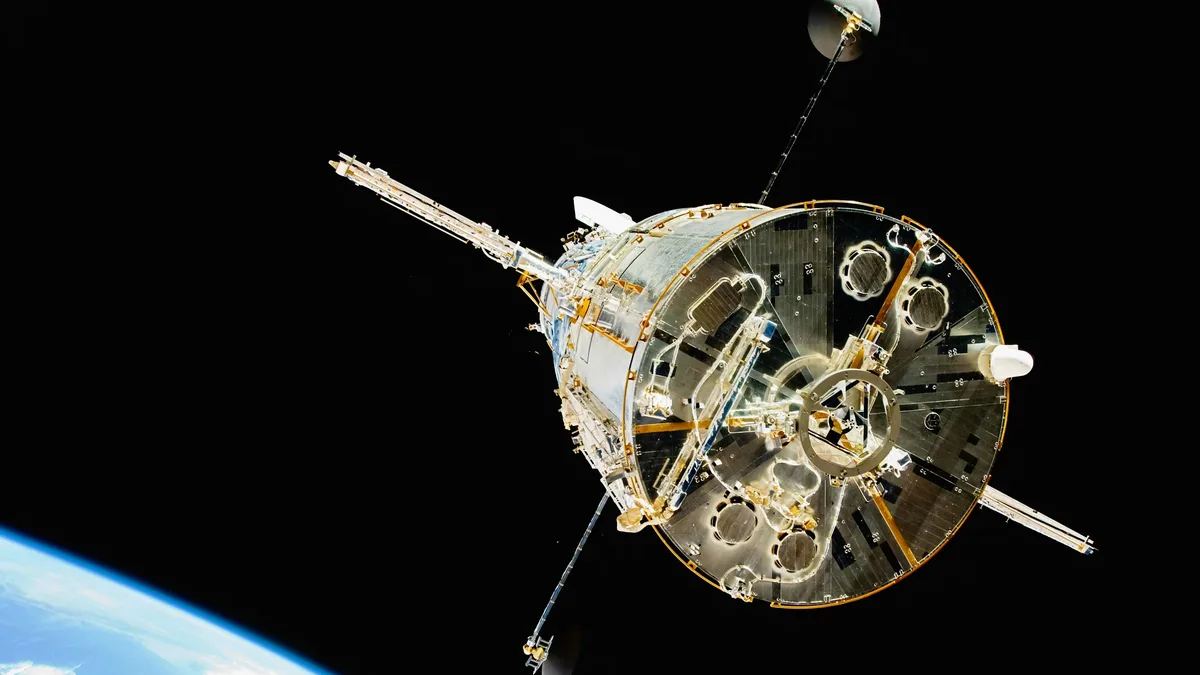
NASA's Artemis III mission will test three launch vehicles and docking
NASA's Artemis III mission, launching next year, will test three launch vehicles, a lunar lander, and the Orion capsule in a 14-17 day LEO mission.
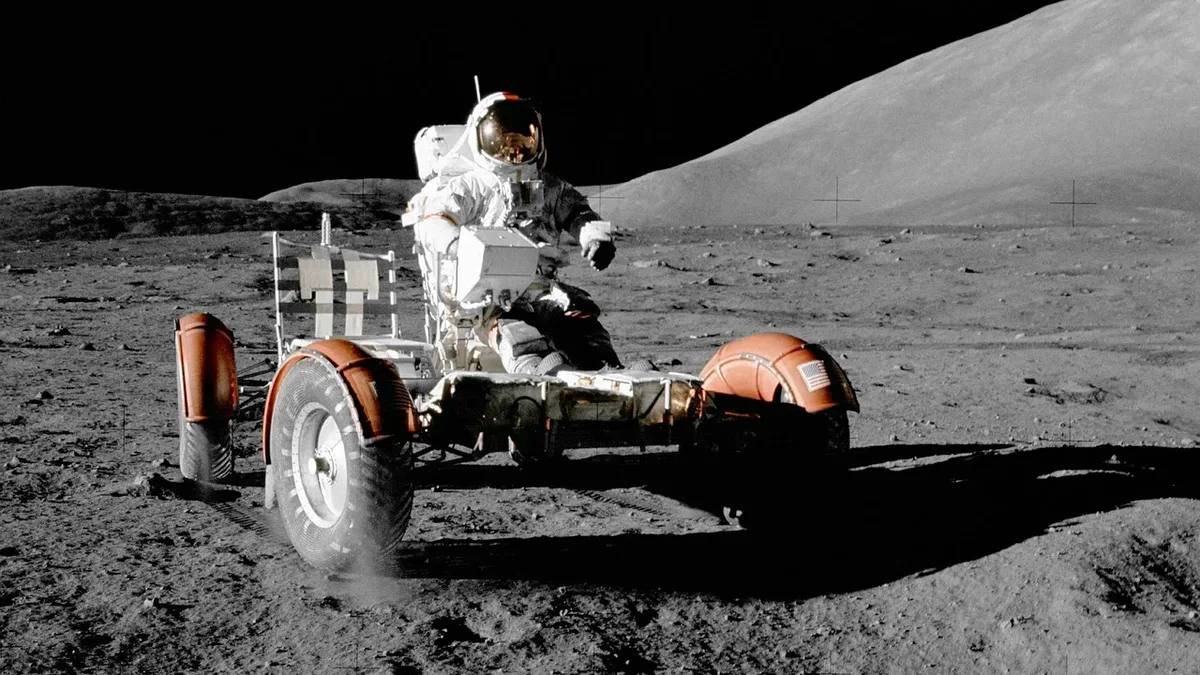
HPE's Spaceborne Computer-4 to Run AI on the Moon
HPE's fourth-generation Spaceborne Computer-4 will launch in 2026 aboard Astrolab's FLIP rover to test AI processing and autonomous operations on the...
NASA and DOE sign space nuclear power pact for 2028 launch
NASA and the Department of Energy formalized a partnership to accelerate space nuclear systems, targeting a 2028 launch for a fission-powered...
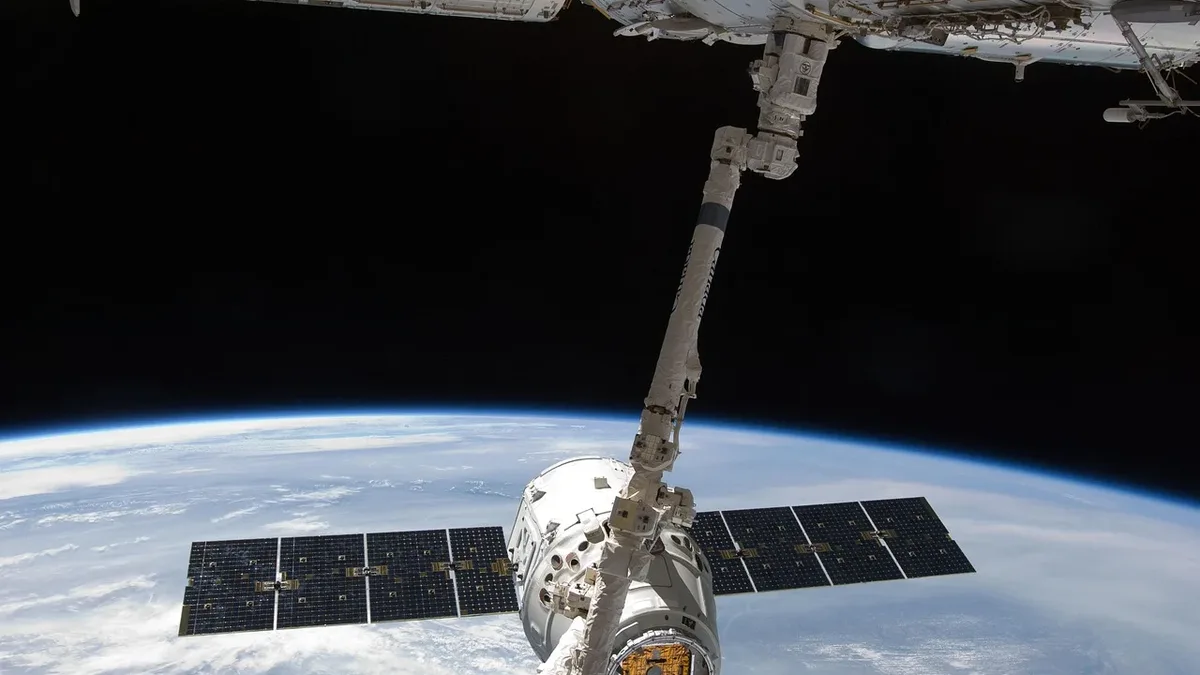
Crew-12 Undocking Targeted for October 7, 2026
NASA and SpaceX are targeting no earlier than 1:05 a.m. EDT on Oct. 7, 2026, for the Crew-12 mission's undocking from the ISS, with splashdown...
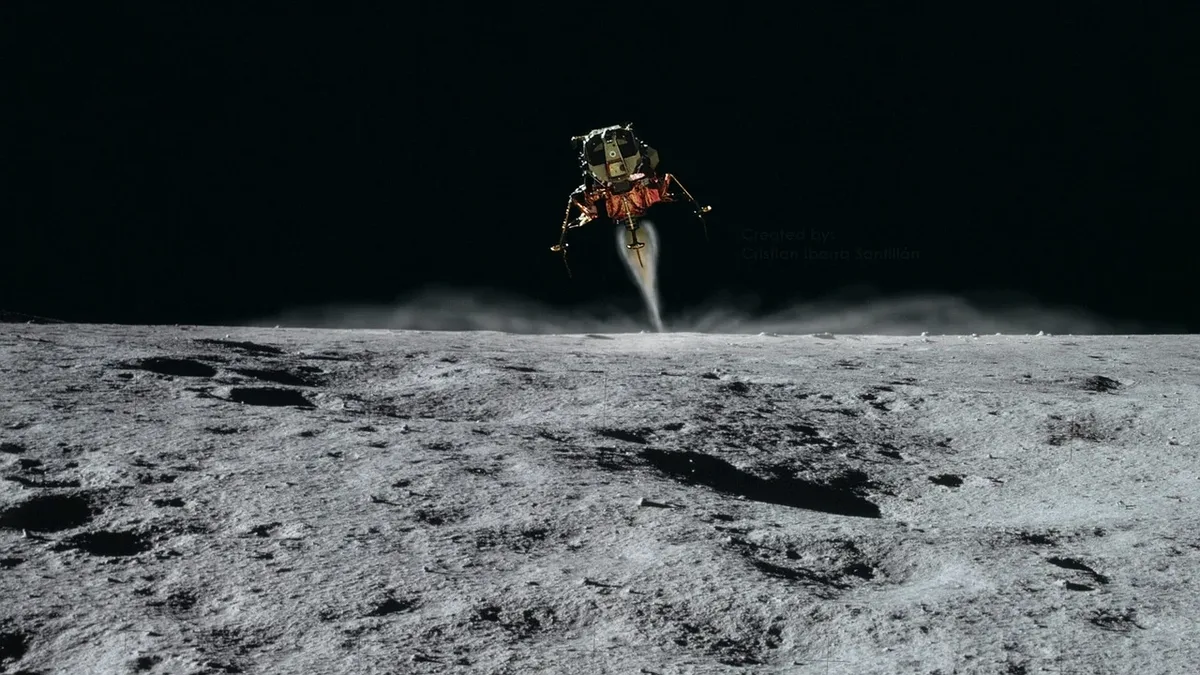
Vast Launches Lunar Programs Division for NASA Moon Base
Space infrastructure company Vast has established a new Lunar Programs division to support NASA's Moon Base ambitions.
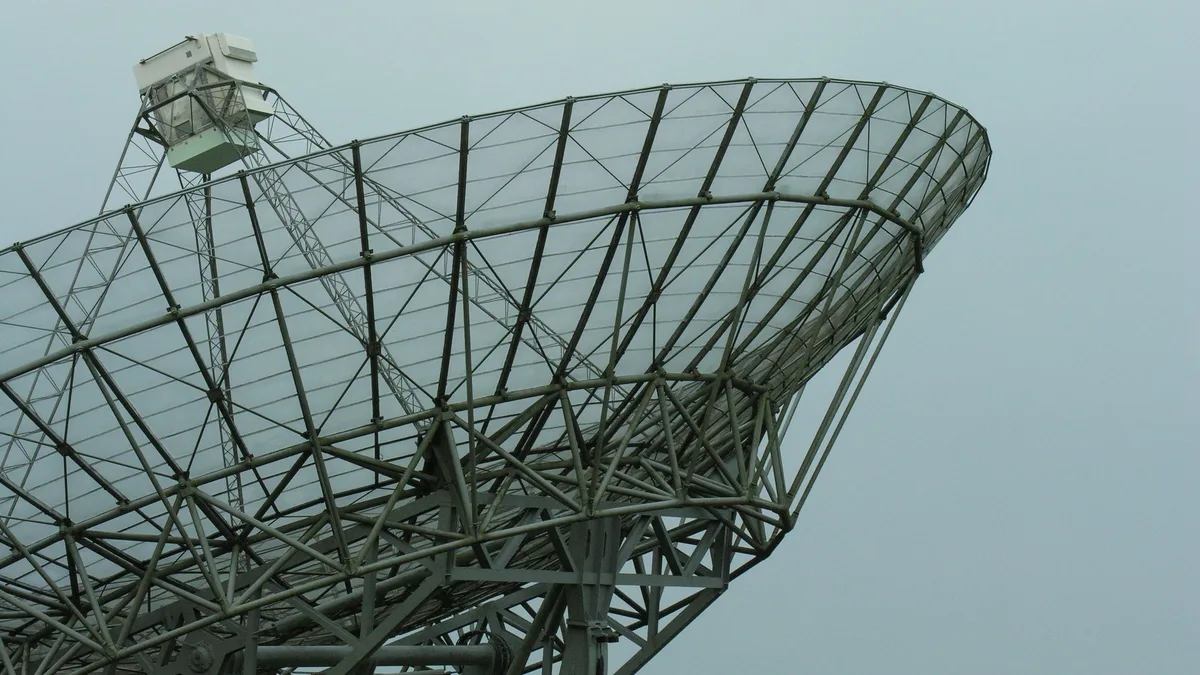
Blue Origin Wins $700M NASA Mars Communications Network Contract
NASA has awarded Blue Origin a contract worth approximately $700 million to develop and build the new Mars Telecommunications Network.