MTG-I2 Satellite Launched on Ariane 6
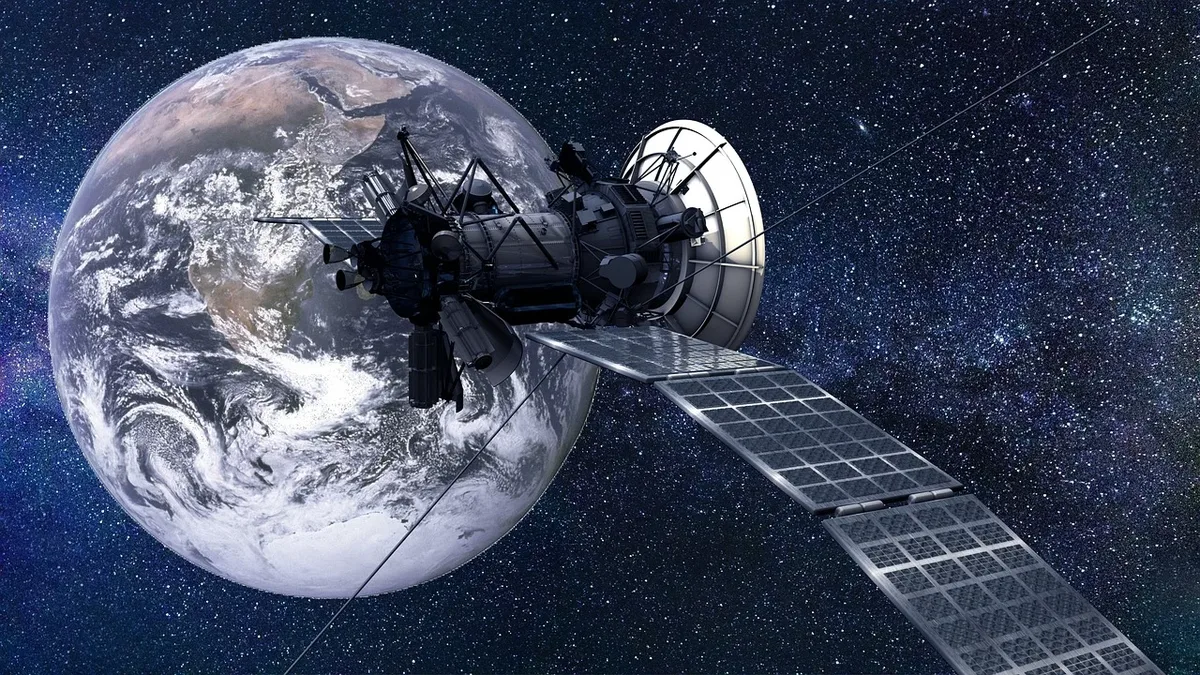
The MTG-I2 weather satellite launched on August 27, 2026, aboard an Ariane 6 rocket from French Guiana. It will provide high-resolution imagery of Europe and Africa every two and a half minutes.
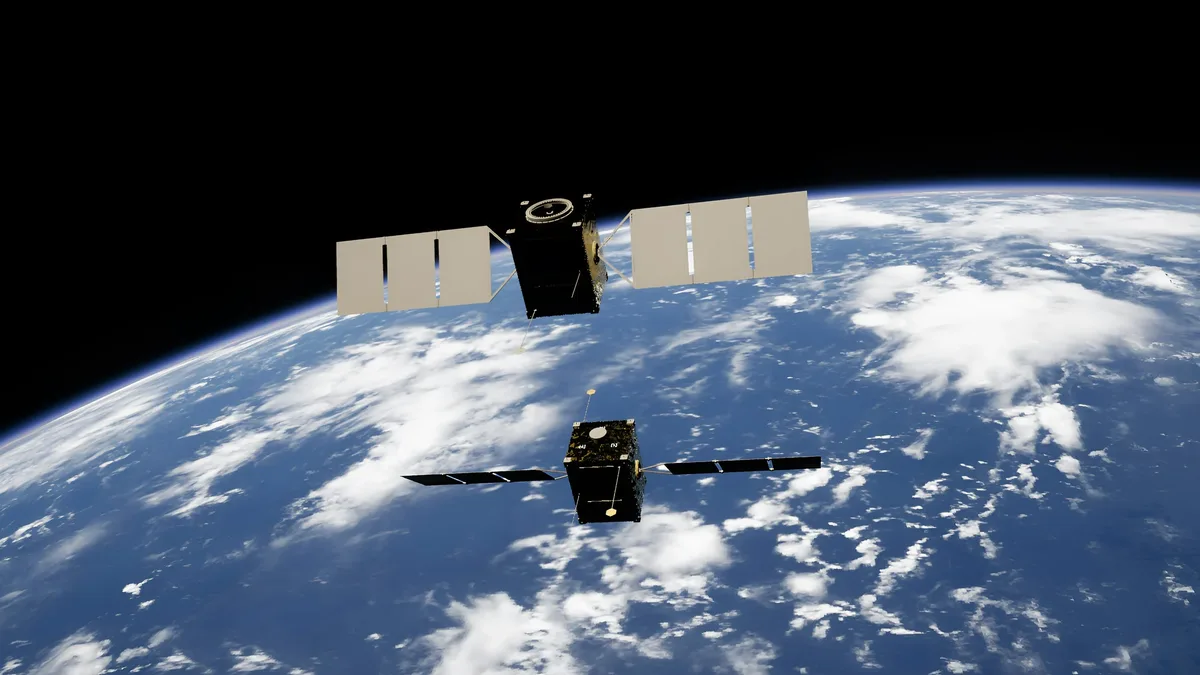
The Meteosat Third Generation Imager 2 (MTG-I2) satellite launched at 22:10 Central European Summer Time on August 27, 2026. According to the European Organisation for the Exploitation of Meteorological Satellites (EUMETSAT), the Ariane 6 rocket lifted off from the Guiana Space Centre in Kourou, French Guiana.
This new satellite is tasked with delivering a rapid scan service. It will capture high-resolution imagery of the atmosphere over Europe and northern Africa. The system will produce a new scan every two and a half minutes.
Mission Payload and Service
Meteorologists will use this frequent data to detect dangerous weather conditions earlier. The near-real-time observations will allow them to track the development of severe events. The service is designed to monitor thunderstorms, dense fog, and dust plumes.
EUMETSAT states the rapid scan capability will provide critical insights. It enables tracking of fast-developing phenomena that previous, less frequent scans might miss.
The Full MTG Constellation
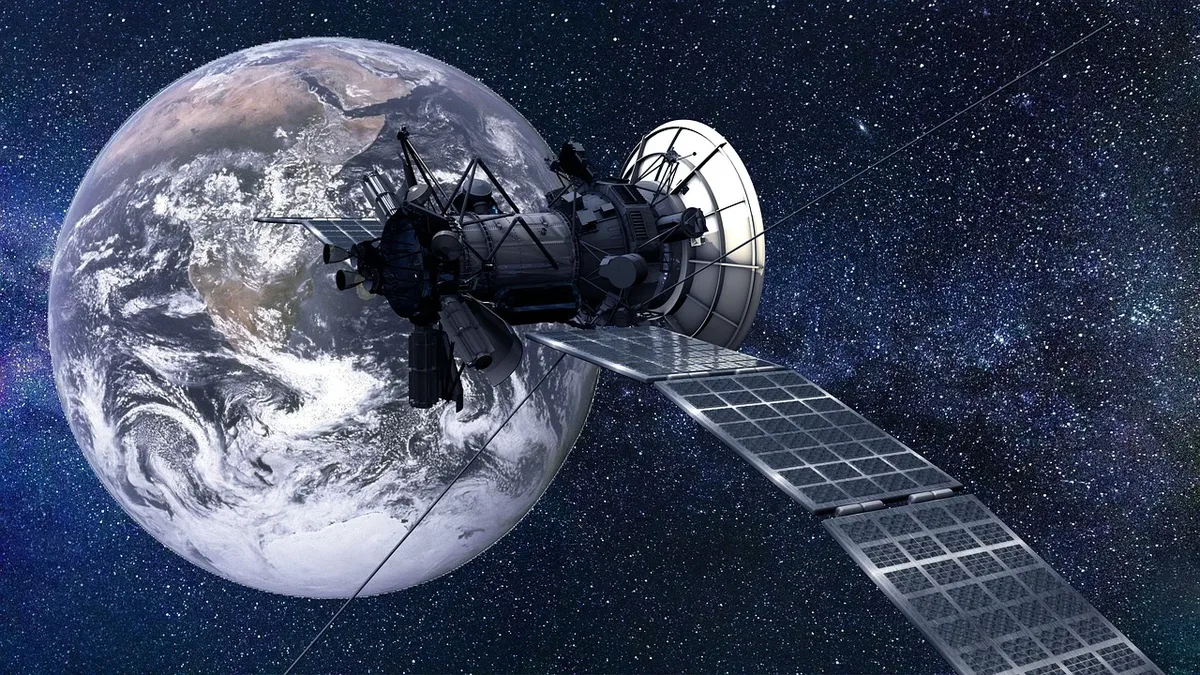
The MTG-I2 is part of the larger Meteosat Third Generation system. The full operational constellation will consist of three satellites positioned in geostationary orbit, approximately 36,000 kilometers above Earth.
The system includes two imaging satellites and one sounding satellite. The first imaging satellite, formerly known as MTG-I1, is now operational as Meteosat-12. MTG-I2 is its newly launched counterpart. The MTG-S satellite is dedicated to atmospheric sounding.
| Satellite | Type | Role |
|---|---|---|
| Meteosat-12 (MTG-I1) | Imager | Provides full-disk imagery |
| MTG-I2 | Imager | Provides rapid-scan imagery |
| MTG-S | Sounder | Provides atmospheric profiling data |
Together, this trio will significantly enhance numerical weather forecasting. A key advancement will be in the nowcasting of high-impact weather like severe storms. For the first time, the full lifecycle of a convective storm will be observable from a geostationary orbit.
The Launch Vehicle and Window
The launch was conducted using the Ariane 6 rocket. The liftoff occurred in the evening from Europe's primary spaceport in South America. The mission successfully deployed the satellite into its intended transfer orbit.
The launch image, credited to ESA, CNES, and Arianespace-ArianeGroup, captures the moment of ignition and ascent. EUMETSAT has established an online hub for information related to the MTG-I2 launch. The organisation also provides public access to imagery from the already-orbiting Meteosat-12 satellite. For more detailed technical information, you can visit our stats page, and to understand the satellite's operational timeline, check our fixtures.