Ground Station As A Service
| Service provider | The company or organization operating the ground station network |
|---|---|
| Coverage | Geographic locations of antenna sites |
| Frequency bands | Supported radio frequency ranges (e.g., S-band, X-band, Ka-band) |
| Antenna sizes | Diameter range of available parabolic dishes |
| Supported missions | Mission phases supported (e.g., launch, early orbit, routine operations) |
| Data services | Types of data handling offered (e.g., telemetry, tracking, command, mission data downlink) |
| Connectivity | Method of delivering data to the customer (e.g., secure internet, dedicated line) |
Origin and history
Ground Station As A Service (GSaaS) is a commercial operational model that emerged in the 2010s, primarily from the United States and Europe, alongside the rise of the commercial space and small satellite revolution. Its development was driven by the influx of private capital into space ventures and the corresponding need for scalable, cost-effective infrastructure. The concept evolved from traditional, owner-operated ground station networks maintained by government space agencies and large satellite operators. Companies recognized that the high capital expenditure of building global ground station networks was a significant barrier for new entrants. By offering ground segment access as a scalable utility, these providers enabled satellite operators to avoid upfront infrastructure costs. The model was solidified as a distinct service category by the late 2010s, with several dedicated providers establishing global antenna networks.
What it is for
GSaaS is for establishing reliable communication links between Earth and spacecraft during critical mission phases, most notably during and immediately after launch. Its primary function is to acquire telemetry, track, and command (TT&C) a launch vehicle and its payload from the moment they are in line-of-sight of a ground antenna. This service is essential for confirming a successful spacecraft separation and initial payload health. It provides the crucial data link for mission controllers to verify orbital insertion parameters and ensure the satellite is functioning as intended. GSaaS is also used for the initial in-orbit checkout (IOC) phase, where the satellite's systems are tested and configured. Furthermore, it supports ongoing mission operations for satellites that do not have dedicated ground stations, providing scheduled contacts for data downlink and command upload.
Overview
Ground Station As A Service provides on-demand access to a globally distributed network of radio antennas and associated infrastructure via a cloud-like interface. Customers, typically satellite operators or launch providers, purchase pass time or data volume instead of building their own stations. The service provider manages all aspects of the ground segment, including antenna maintenance, frequency licensing, data processing, and cybersecurity. The network is designed for interoperability, supporting common satellite communication protocols and frequency bands like S-band, X-band, and increasingly Ka-band. Data received at the antenna is often processed and delivered directly to the customer's cloud storage or mission control center via secure internet connections. This model transforms the ground segment from a fixed capital asset into a flexible, operational expense that scales directly with mission needs.
What to know
A key operational concept is the "pass," a scheduled window of time when a specific ground station has a line-of-sight view of the satellite. Providers use sophisticated software to schedule these passes across their network to maximize coverage and minimize data latency. Service level agreements (SLAs) are critical and define guaranteed contact opportunities, data delivery timelines, and network availability. Customers must ensure their satellite's communication system is compatible with the provider's antenna specifications and modulation/coding schemes. Understanding data rights and security protocols is paramount, as the provider handles the raw data stream. The cost structure is typically based on a combination of reserved capacity, data volume, and support services, rather than a simple flat fee. Integration often requires the customer to provide the provider with their satellite's technical data, such as orbital parameters and communication protocols, well in advance of launch.
Common questions
How quickly can contact be established after a launch? Providers typically have stations positioned to support acquisition of signal (AOS) within the first orbit, but precise timing depends on the launch trajectory and station geography. What happens if a ground station fails during a critical pass? Reputable providers have redundancy through multiple stations in similar geographic regions and guarantees within their SLAs for backup contacts. Is GSaaS suitable for deep space missions? Standard GSaaS networks are designed for Earth-orbiting satellites; deep space requires specialized antennas with much higher gain and sensitivity. How is data security managed? Data is encrypted in transit, and providers operate under strict cybersecurity frameworks, often with options for private network connections. Can I use GSaaS for an entire satellite constellation? Yes, this is a primary use case, as the service can dynamically allocate passes across a fleet of satellites using automated scheduling. What are the typical frequency bands supported? Most networks support UHF, S-band, and X-band for TT&C, with many adding Ka-band for high-throughput payload data downlink.
Pros and cons
A major advantage is the elimination of large capital expenditure for building and maintaining a proprietary global network, converting it into a predictable operational cost. The service provides immediate global reach and redundancy, as providers have antennas in multiple continents to ensure frequent contacts. Scalability is inherent, allowing operators to easily add service for new satellites or increase downlink capacity for existing ones. A significant disadvantage is the potential lack of control; during critical anomalies, operators are dependent on the provider's staff and procedures, not their own. Network congestion can be a real issue during peak times or for popular orbital planes, potentially delaying scheduled passes or increasing costs. A common mistake is underestimating the complexity of integration and failing to thoroughly test the communication link in an end-to-end simulation before launch, which can lead to missed initial contacts.
Who it suits
This service is particularly suited for small satellite startups and academic institutions that lack the funding and expertise to deploy their own ground infrastructure. It is ideal for constellation operators who need to manage communications with dozens or hundreds of satellites without building a matching number of ground stations. Launch service providers frequently use GSaaS to offer integrated launch-plus-early-orbit support packages to their customers. Single-mission projects with a defined lifespan, such as technology demonstrators or science missions, benefit from not investing in permanent assets. Conversely, it is less suited for government or military missions with stringent security requirements that mandate sovereign, dedicated ground stations. Large, legacy geostationary satellite operators with predictable, continuous communication needs may find owning their infrastructure more economical over the long term than a recurring service model.
Latest Ground Station As A Service news
Latest reporting
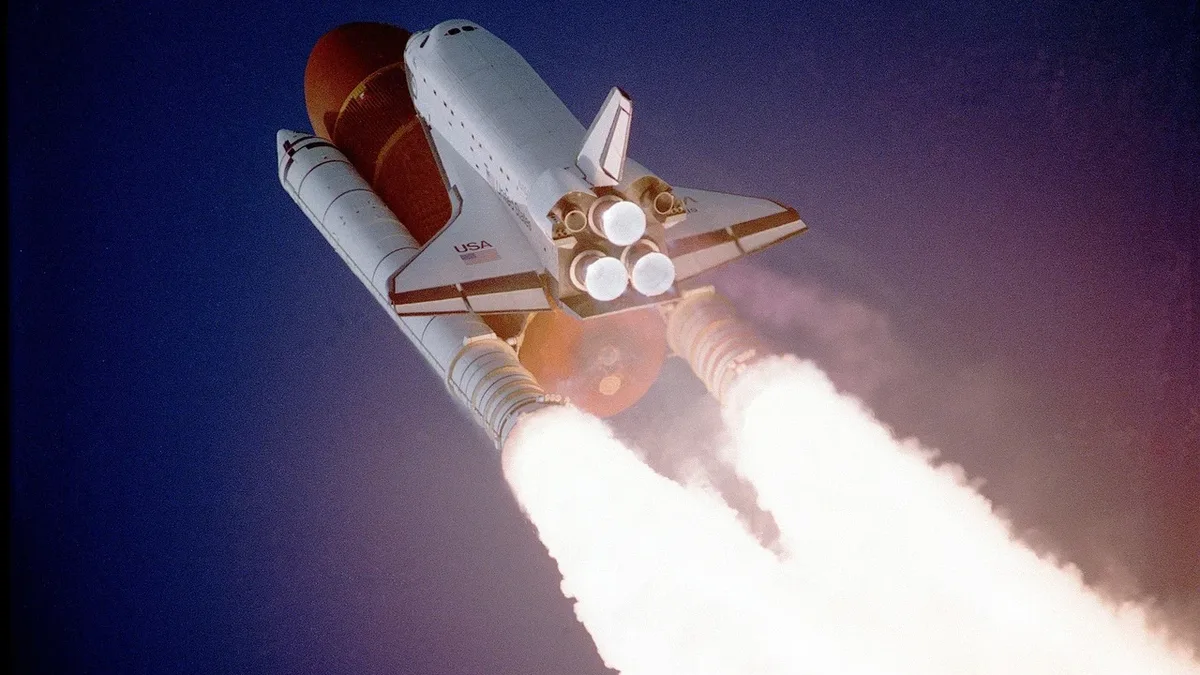
MaiaSpace stages logistics rehearsal for 2027 Kourou launch
MaiaSpace shipped full-scale mechanical models of its Maia rocket stages to French Guiana to validate ground operations ahead of its first orbital...
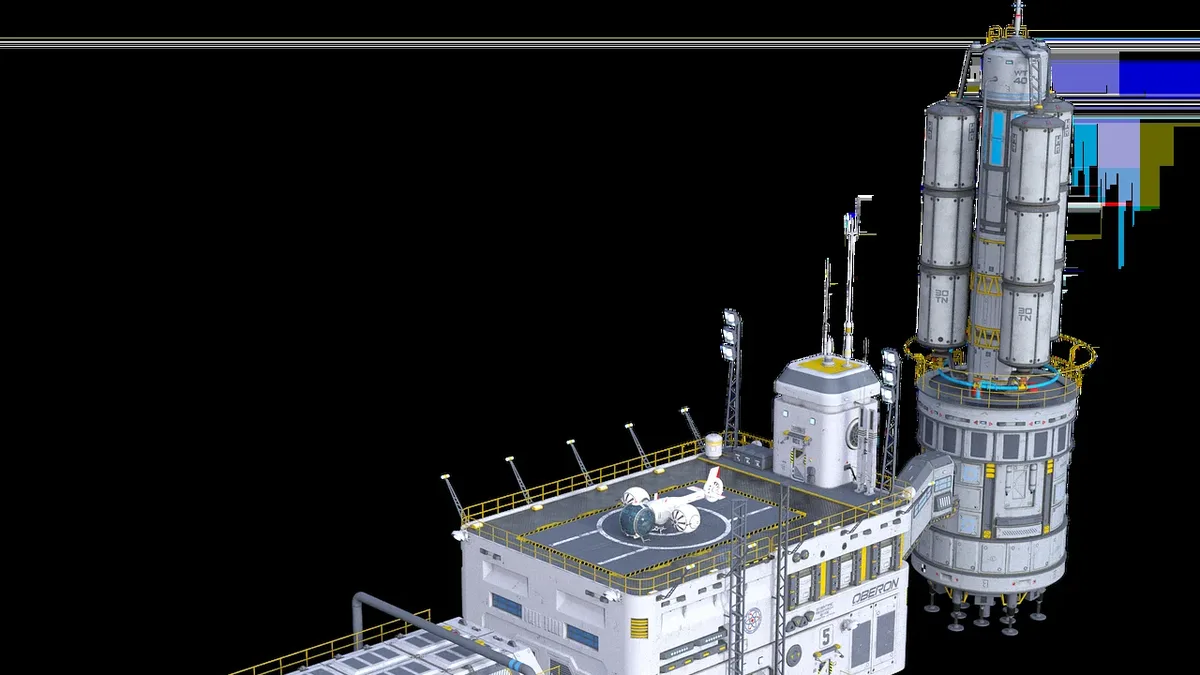
RBC Signals secures $10M to expand government services
Washington-based ground station provider RBC Signals has raised $10 million from Washington Harbour Partners to accelerate its government services...

Northwood Space raises $375 million to scale ground antenna production
Northwood Space secured $375 million in Series C funding at a $2 billion valuation to expand its ground network infrastructure, accelerating antenna...
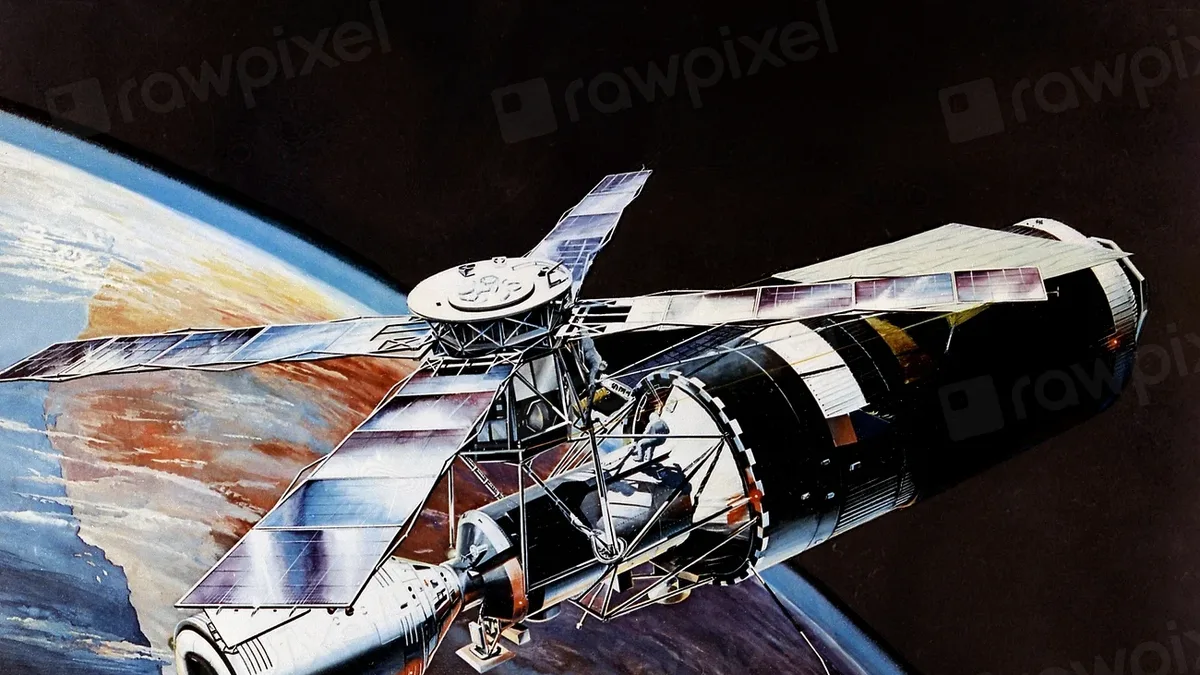
Telesat delays Lightspeed constellation entry to mid-2028
Telesat will launch two initial Lightspeed test satellites on a third-party Falcon 9 in mid-2027, pushing full service entry to mid-2028 as it...
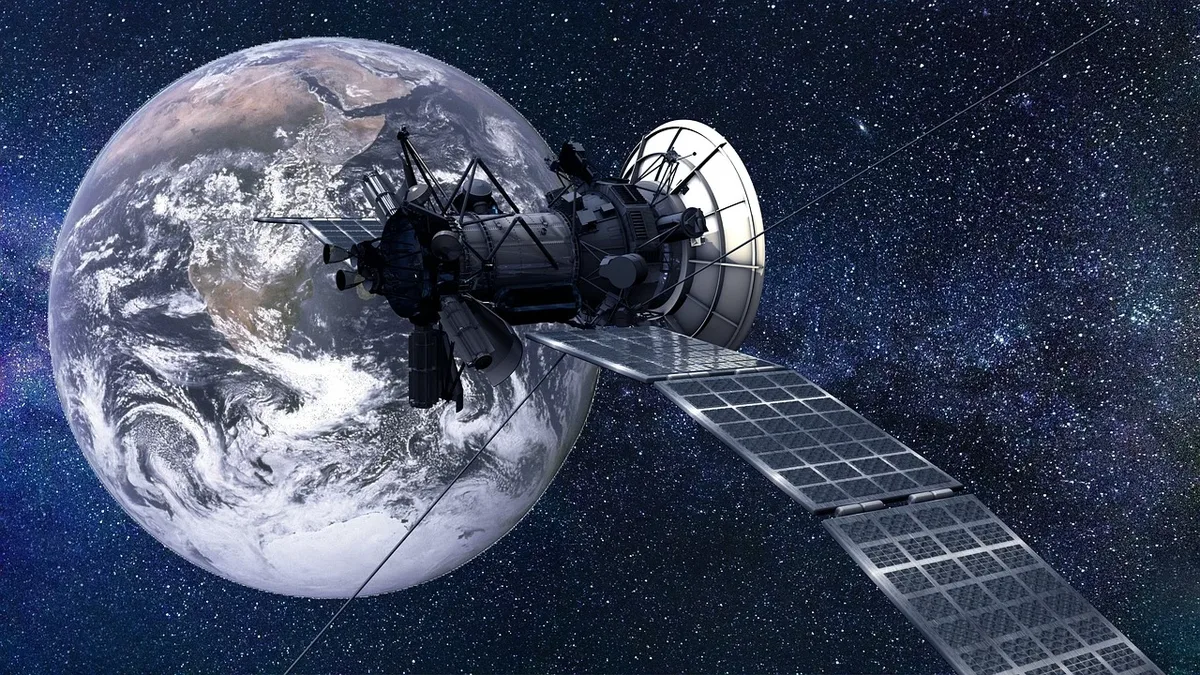
Xona secures $250M Series D to accelerate Pulsar GPS constellation
Xona Space Systems raised $250 million in a Series D funding round, valuing the company at $2.45 billion. The capital will accelerate production of...

SpaceNukes Wins DARPA Award to Test Active Kilopower Reactor
Space Nuclear Power Corporation secured a DARPA agreement to ground-test a Kilopower reactor with autonomous control rods, advancing technology for...