Russia's Sputnik-S Project Raises Nuclear Threat in Space
Western intelligence assesses Russia could launch a nuclear-armed satellite as early as December, violating the Outer Space Treaty and threatening global orbital infrastructure.
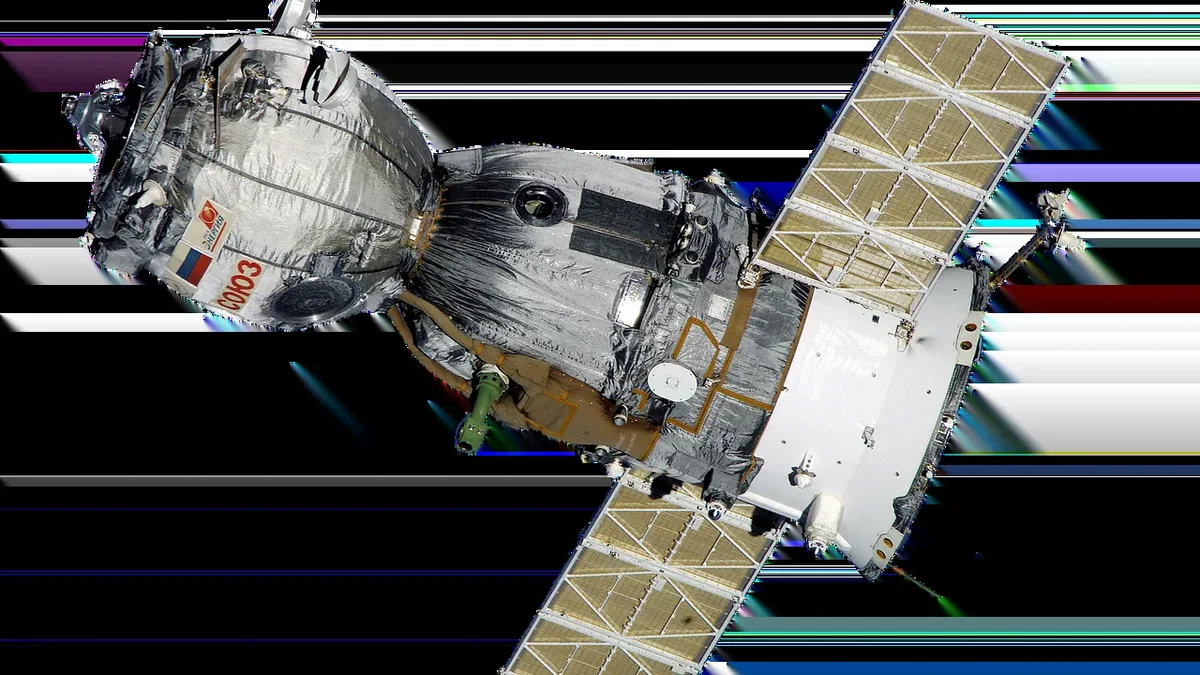
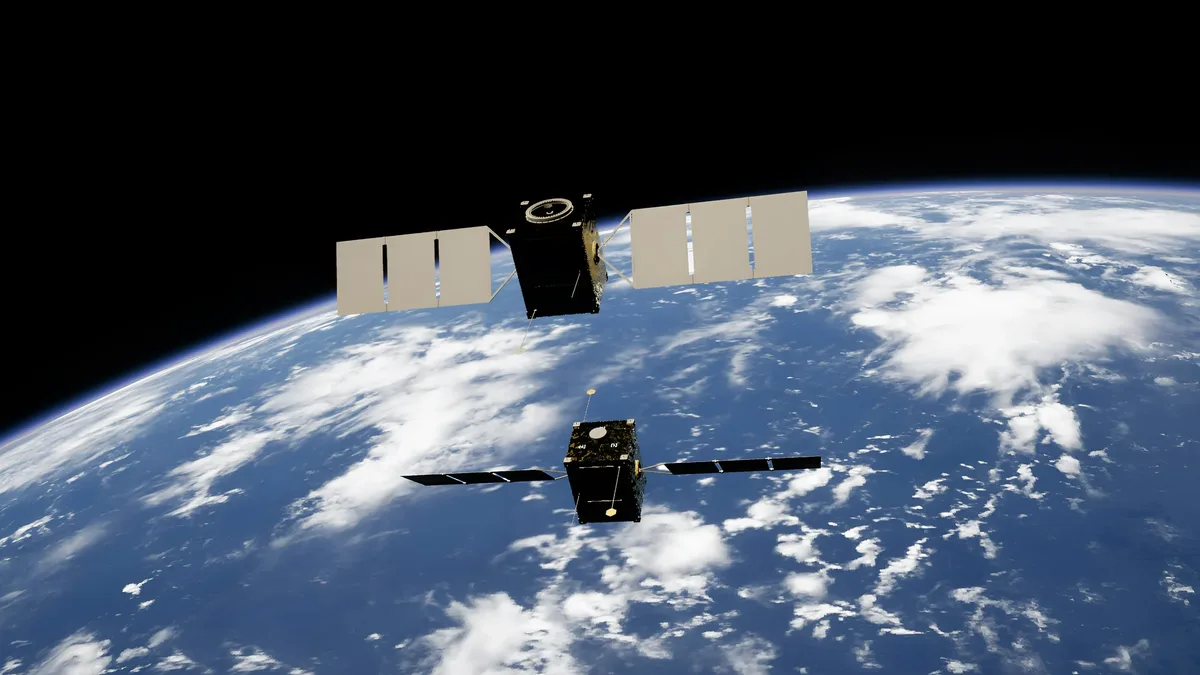
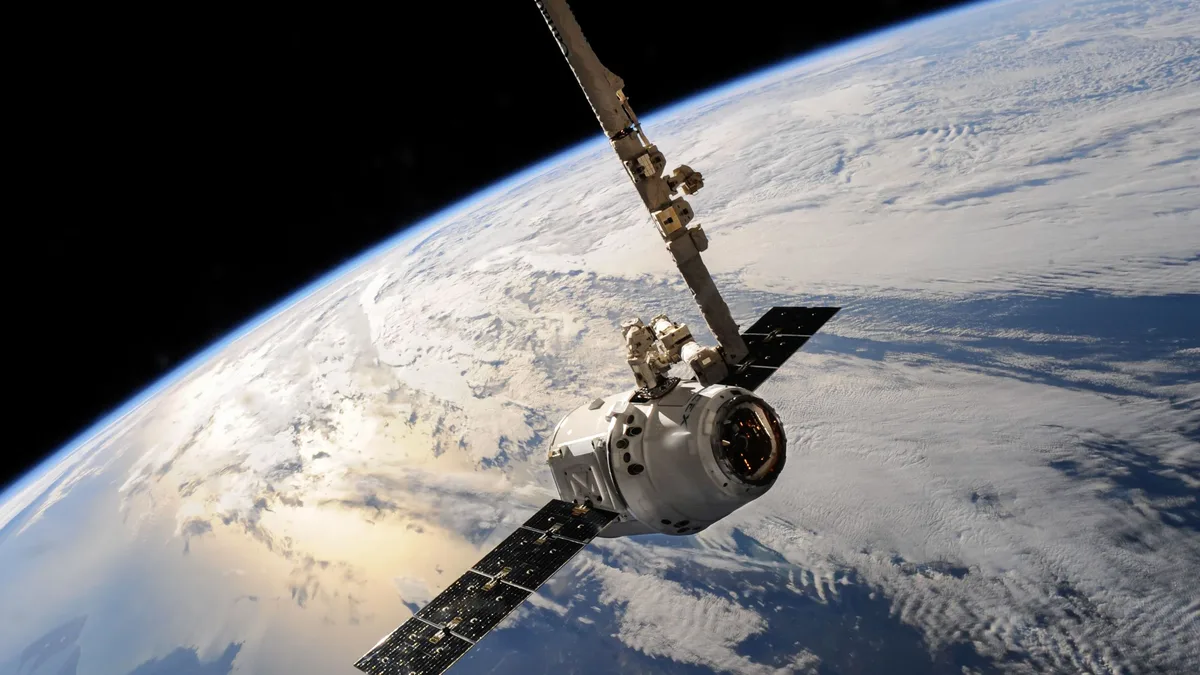
Russia's Sputnik-S project raises concerns over nuclear threats in space. Western intelligence agencies have assessed that Russia could launch a satellite carrying a nuclear weapon as early as next month.
Germany’s Federal Intelligence Service and military believe Russia’s development of space-deployable nuclear weapons has progressed far more than expected. The country's Space Command specifically assessed that a nuclear-armed satellite known as Sputnik-S could be launched as early as December. The United States has raised the possibility of Russia developing space-based nuclear weapons since 2024. The Defense Intelligence Agency said in a recently released report on space security threats that Russia is developing satellites capable of carrying nuclear weapons.
Nuclear Threat in Space
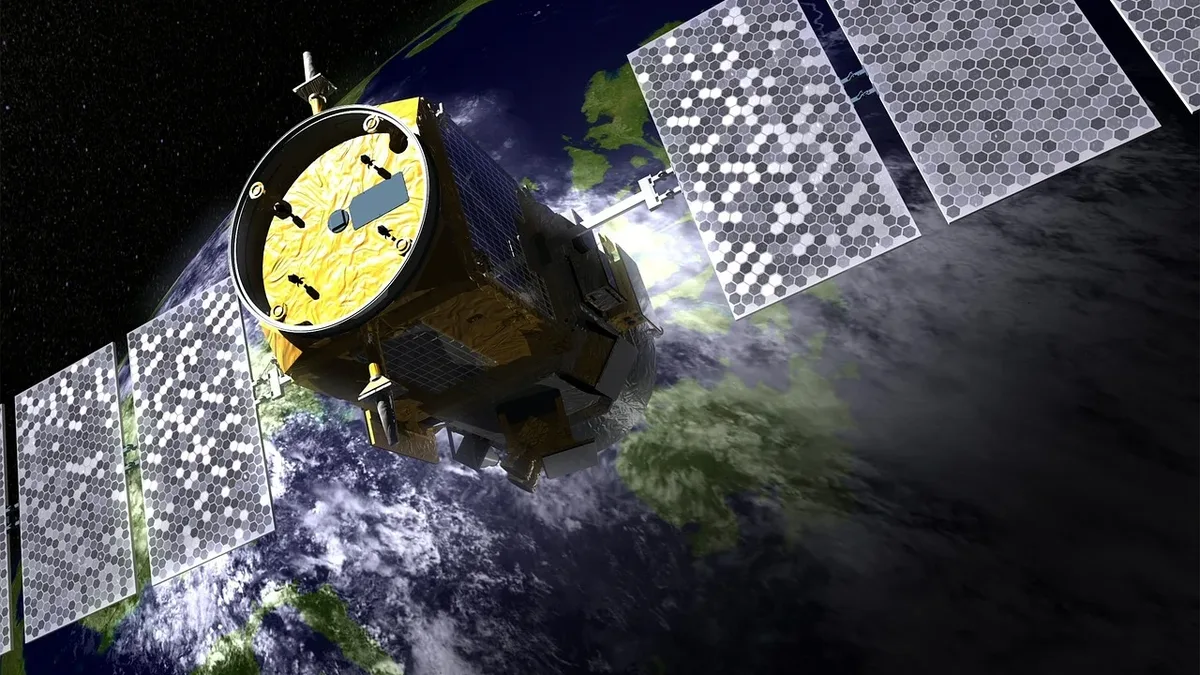
Deploying nuclear weapons in Earth orbit would violate the Outer Space Treaty, which entered into force in 1967. Russia is a party to that treaty but vetoed a U.N. Security Council resolution reaffirming the prohibition of weapons of mass destruction in outer space in 2024. A nuclear explosion in space could cause thousands of satellites to lose functionality or suffer degraded performance, with radiation effects lasting for years. Damage could hit key services including SpaceX’s Starlink, military Starshield, satellite navigation, weather observation, and communications. Russian and Chinese satellites would also struggle to avoid the impact.
German Chancellor Friedrich Merz expressed concern about the possibility of Russia arming space with nuclear weapons. NATO Secretary General Mark Rutte said at a news conference in Berlin that the alliance is continuously reviewing its deterrence and defence posture, including in space. The information was shared among North Atlantic Treaty Organization member states. Kremlin spokesman Dmitry Peskov dismissed the reports, saying they were based on unclear sources and speculation. Russia’s specific launch schedule and whether a nuclear weapon would actually be carried have not been independently confirmed.
Unconfirmed Launch Timeline
While Germany's Space Command assesses a possible December launch of Sputnik-S, Russia has not confirmed the schedule or payload. The report was published on Nov. 23. The unresolved tension between Russia's unconfirmed space nuclear ambitions and ongoing international monitoring efforts defines the current situation.
Accessibility Features
The article is an Accessibility Statement from spacewatch.global. It discusses compliance with WCAG 2.1 AA level accessibility guidelines. The website uses an accessibility interface for UI adjustments. An AI-based application optimizes accessibility by remediating HTML and adapting functionality for screen-readers and keyboard users.
Screen-reader optimization includes ARIA attributes, accurate form labels, image descriptions via OCR, and support for JAWS and NVDA. Keyboard navigation optimization enables operation via Tab, Shift+Tab, arrow keys, Enter, and Spacebar, with shortcuts like Alt+1 for quick access. Disability profiles supported include Epilepsy Safe Mode, Visually Impaired Mode, Cognitive Disability Mode, ADHD Friendly Mode, Blindness Mode, and Keyboard Navigation Profile.
UI adjustments include font size and family changes, color contrast profiles, animation controls, content highlighting, audio muting, and cursor customization. The website supports major browsers like Chrome, Firefox, Safari, Opera, and Edge, and assistive technologies including JAWS and NVDA. The website may still have accessibility issues in some pages or sections despite ongoing improvements.