Space Cargo Unlimited Unveils REV1 Manufacturing Spacecraft
Space Cargo Unlimited revealed the full-scale REV1 development model at Space Tech Expo Europe, a reusable spacecraft for orbital manufacturing targeting 2030 flight readiness.
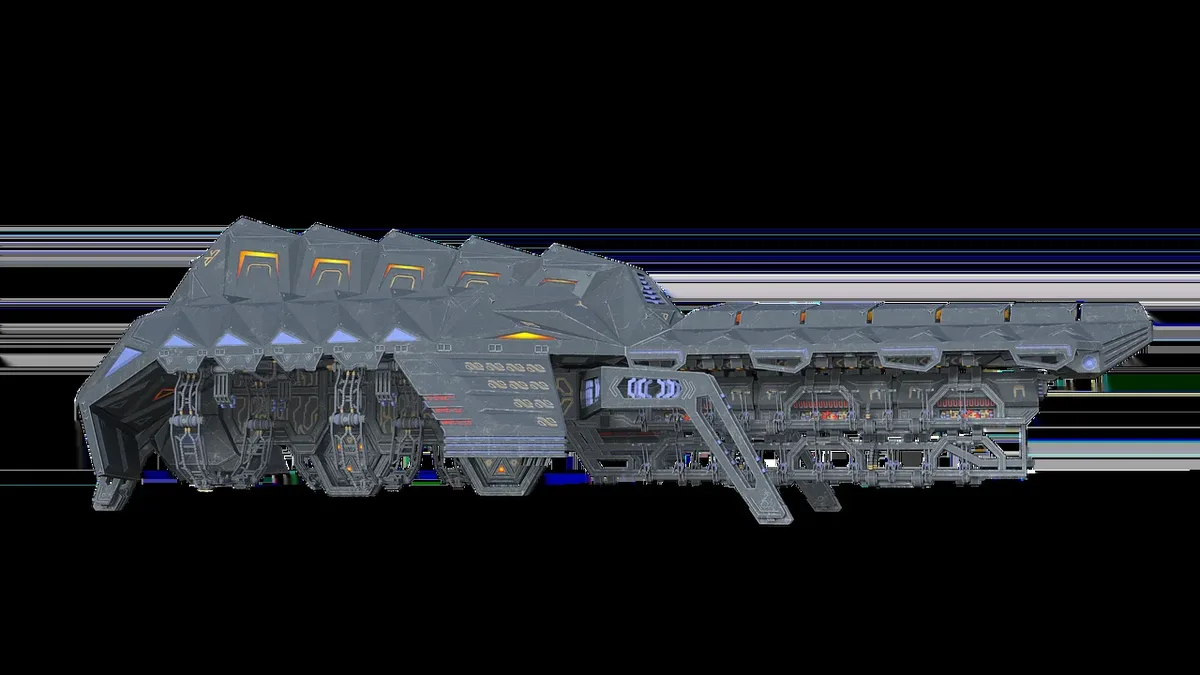
Space Cargo Unlimited presented the full-scale development model of its REV1 spacecraft at Space Tech Expo Europe in Bremen, Germany, on November 21, 2026. The European company, in partnership with Thales Alenia Space, is privately funding the vehicle designed for commercial orbital manufacturing and payload return.
REV1 Specifications and Mission Profile
REV1 is designed to offer a tonne-class payload capacity for missions in low Earth orbit. The spacecraft provides a pressurized internal volume of 1,200 liters and 2.5 kilowatts of shared continuous power for customer equipment. Flight readiness is targeted for 2030, pending the completion of development and qualification milestones.
Mission durations are flexible, expected to last anywhere from several weeks up to six months depending on specific customer requirements. The development model on display is being used to refine active thermal systems and the mechanisms needed to integrate its core BentoBox platform.
| Specification | Detail |
|---|---|
| Payload Capacity | Tonne-class |
| Pressurized Volume | 1,200 liters |
| Shared Power | 2.5 kW continuous |
| Target Flight Readiness | 2030 |
| Mission Duration Range | Several weeks to six months |
Modular BentoBox Platform Architecture
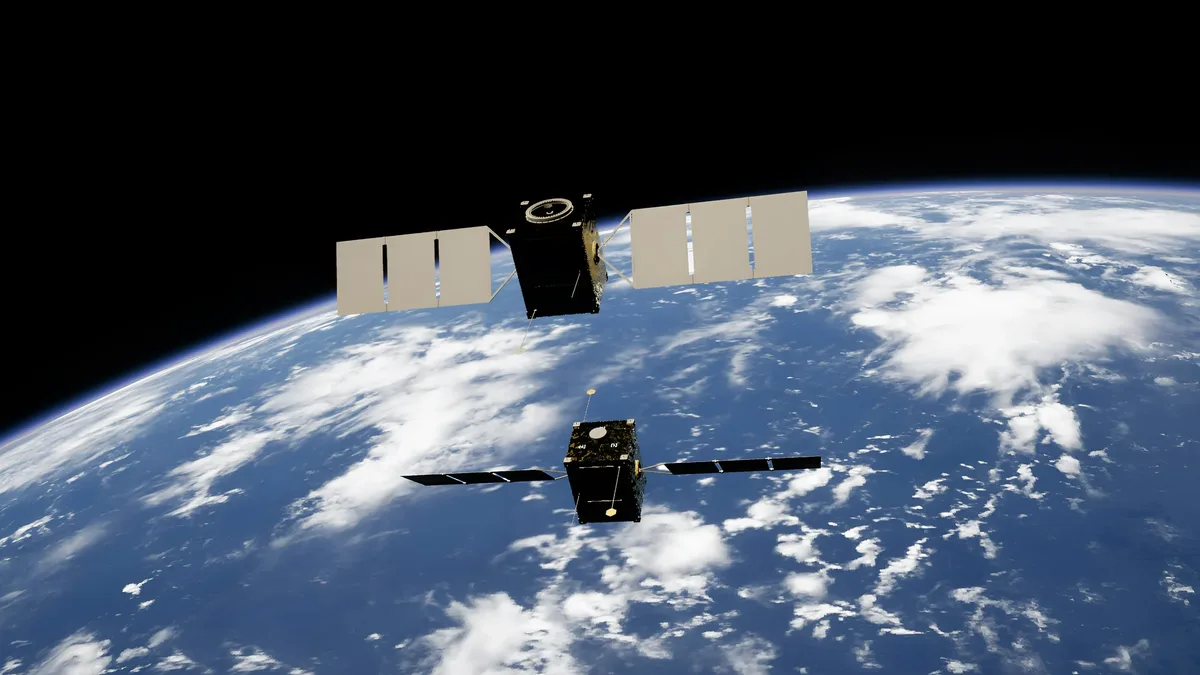
The spacecraft uses a reusable, two-module architecture. An Orbital Module provides power and operational services, while a Re-entry Module handles the return of customer materials to Earth. This design is built around the modular BentoBox platform, which is engineered to integrate industrial equipment and manage microgravity operations.
Capabilities under development for BentoBox include precise temperature regulation, controlled pressurization, and power distribution. It also features continuous monitoring, data logging, late access for time-sensitive payloads, and vibration mitigation. Thales Alenia Space is providing engineering expertise for the active thermal systems and the physical integration of BentoBox into the spacecraft's structure. A separate test of a one-tonne BentoBox platform is planned for no earlier than 2028 aboard SpaceX's Starfall re-entry vehicle.
Customer Engagement and Industry Applications
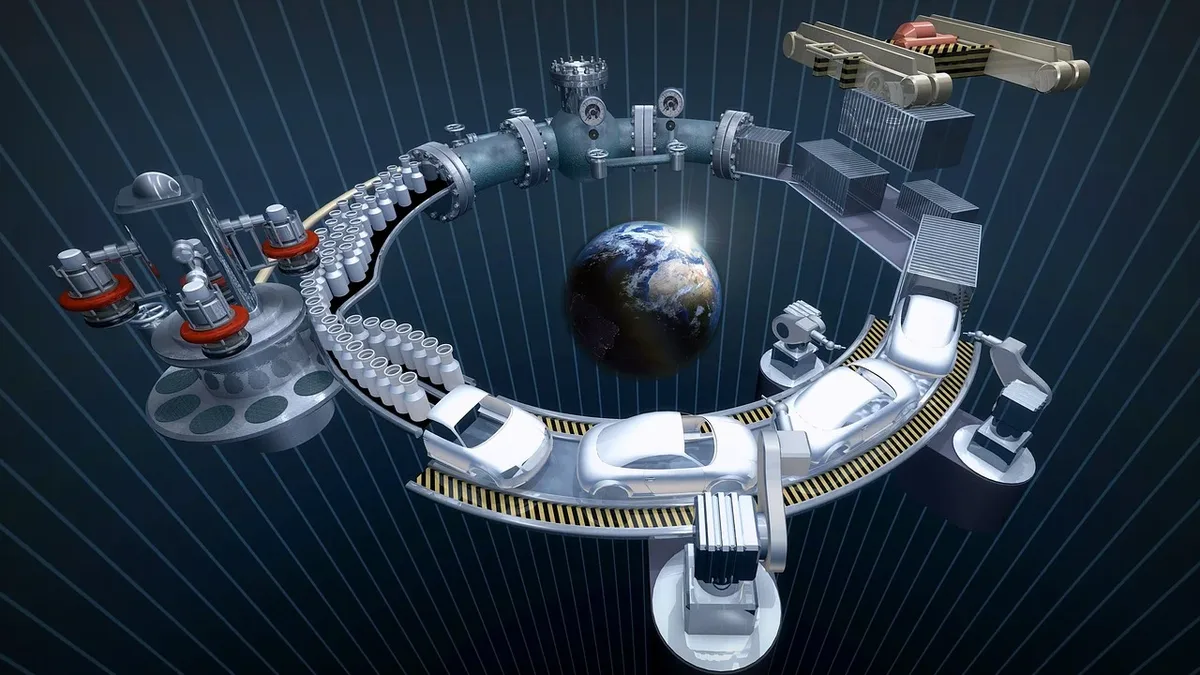
Space Cargo Unlimited is in active discussions with more than 150 prospective customers across key industries. Approximately 40% of these prospects are from the life sciences and biotechnology sectors. Other target markets include pharmaceuticals, advanced materials, and semiconductors. The company's strategy involves developing the modular platform and building customer experience to support a future fleet-based operation, rather than relying on a single spacecraft.
Nicolas Gaume, co-founder and CEO of Space Cargo Unlimited, stated: 'We have always believed that microgravity can become a new environment for industry, but that potential depends on building the right infrastructure.' The goal is to move beyond singular scientific experiments, allowing companies to incorporate microgravity into specific stages of their research and manufacturing processes.
Thales Alenia Space Partnership and Production Timeline
Thales Alenia Space contributes over 40 years of experience in space exploration and re-entry technologies to the partnership. Their engineering support is key for systems integration and qualification. The first planned flight of a BentoBox unit is scheduled for 2027 aboard ATMOS Space Cargo's Phoenix 2.1 vehicle. REV1 itself will enter production after being first announced in 2022, with its inaugural flight also scheduled for 2027 aboard the ATMOS Phoenix 2.1.