Blue Origin
| Founded | 2000 |
|---|---|
| Headquarters | Kent, Washington |
| Founder | Jeff Bezos |
| Primary vehicle | New Shepard |
| Vehicle type | Suborbital launch vehicle |
| Primary purpose | Space tourism and research |
| Notable achievement | First reusable suborbital rocket booster |
Overview
Blue Origin is an American private aerospace manufacturer and suborbital spaceflight services company founded in the early 21st century. Its stated long-term purpose is to enable a future where millions of people live and work in space to benefit Earth. The company develops reusable launch vehicles and rocket engines, with a primary operational focus on its New Shepard suborbital launch system. Blue Origin conducts its launch operations from its privately-owned launch site, Launch Site One, located in West Texas. The company is also developing the New Glenn orbital launch vehicle and has engaged in various other space infrastructure projects, including a lunar lander system. Its activities are funded privately by its founder, with no reliance on public shareholder investment.
History
Blue Origin was founded in the United States in the early 2000s by Jeff Bezos, initially operating in relative secrecy. The company's name was a reference to the Blue Planet, Earth, as the point of origin for humanity's expansion into space. Its early development work focused on demonstrator vehicles named Goddard and Charon, which tested propulsion and vertical landing technologies. The first developmental test flights of its New Shepard vehicle, named for astronaut Alan Shepard, began in the 2010s, featuring successful demonstrations of booster reusability. A critical milestone was achieved in the mid-2010s when a New Shepard booster successfully landed vertically after a flight to space, a key step in its reusability program. The company commenced crewed flights on New Shepard in the 2020s, carrying civilian astronauts on suborbital trajectories past the Kármán line.
How it works today
The company's primary operational system is New Shepard, a fully reusable, vertical-takeoff and vertical-landing vehicle designed for suborbital space tourism and research. A launch begins with the ignition of the BE-3PM liquid hydrogen/liquid oxygen engine on the single-stage booster, which propels the attached crew capsule upward. After engine cutoff, the capsule separates from the booster near the apex of the flight arc, allowing passengers to experience several minutes of microgravity. The booster autonomously conducts a controlled descent, restarting its engine to perform a precise vertical landing on a concrete pad at the launch site. Meanwhile, the capsule descends under parachutes, with a final retro-thrust system firing just before touchdown to cushion the landing on the desert floor. Payloads, which can include automated research experiments, are integrated into specialized compartments within the capsule or are mounted externally on the booster for specific missions.
Why it matters
Blue Origin's systematic development of reusable rocket technology contributes to the broader industry goal of reducing the cost of access to space. Its operational suborbital flights provide a dedicated platform for microgravity research, benefiting scientific and technological development in fields like fluid physics and materials science. The company's human spaceflight program has expanded the demographic of individuals who can experience spaceflight, moving beyond career astronauts. Its development of high-performance liquid rocket engines, such as the BE-4, supplies critical propulsion for its own vehicles and for other launch providers, influencing the design of next-generation systems. Blue Origin's long-term vision of enabling a sustained human presence in space, through concepts like space habitats and lunar landers, influences strategic planning within the global space sector. Furthermore, its purely private funding model demonstrates an alternative approach to financing large-scale aerospace development outside of traditional government contracts.
Common misconceptions
A common misconception is that Blue Origin's New Shepard vehicle achieves orbit; it is designed specifically for suborbital flight, reaching space but not the velocity required to sustain orbital trajectory. Another is that the company is solely focused on space tourism, while in reality a significant portion of its New Shepard missions are dedicated to NASA-funded and commercial research payloads. Some believe the company's reusability efforts are novel, though the concept was pioneered by other entities, with Blue Origin's contribution being its specific implementation and persistence in perfecting vertical landing. It is also incorrect to assume the company has no orbital capability, as it is actively developing the New Glenn orbital rocket and has secured contracts for orbital missions, though it is not yet operational. The perception that Blue Origin operates like a typical startup is flawed, as its development pace is characterized by a long-term, methodical approach rather than rapid public iteration. Finally, the idea that its activities are primarily funded by government contracts is inaccurate, as its core development has been financed privately, though it does compete for and win government awards for specific projects.
Latest Blue Origin news
Latest reporting
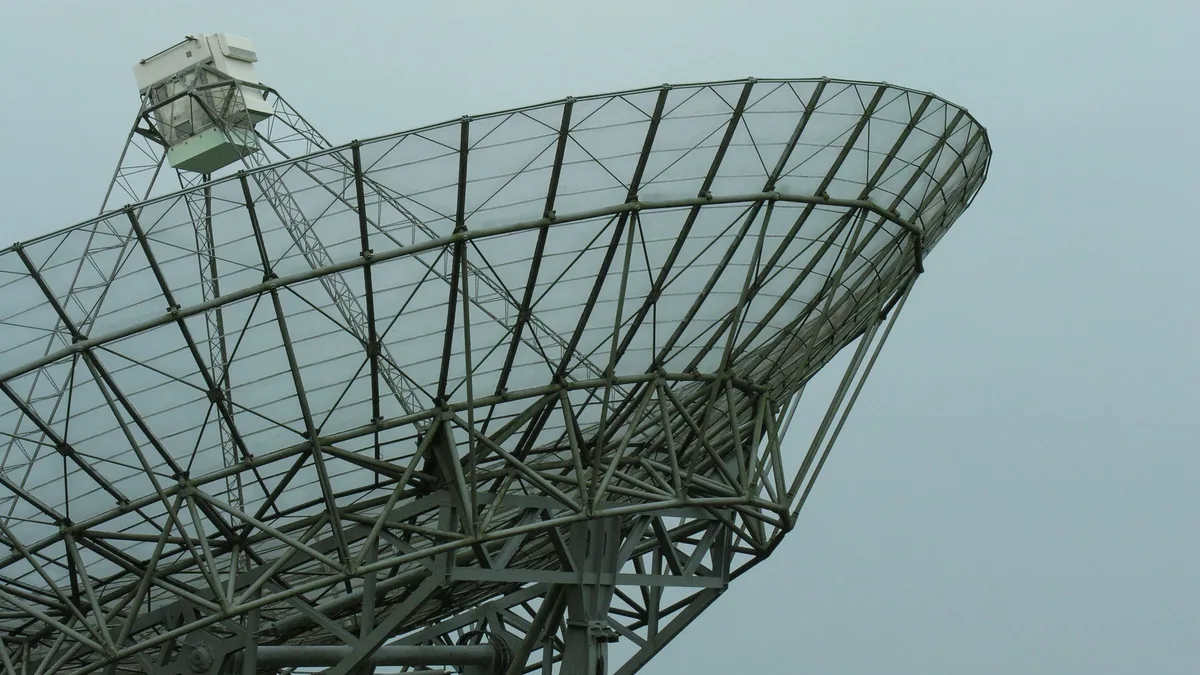
Blue Origin Wins $700M NASA Mars Communications Network Contract
NASA has awarded Blue Origin a contract worth approximately $700 million to develop and build the new Mars Telecommunications Network.
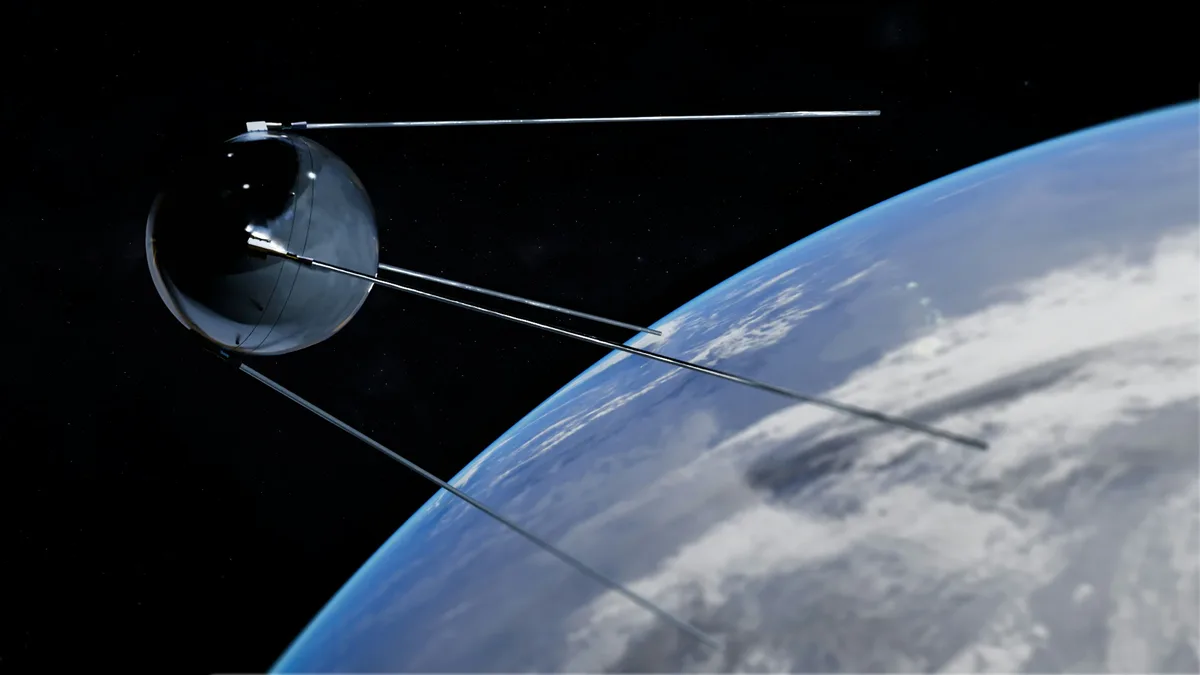
Blue Origin Wins $700 Million NASA Mars Telecom Contract
NASA awarded Blue Origin up to $700 million to build a Mars telecom orbiter by 2028 to support future missions.
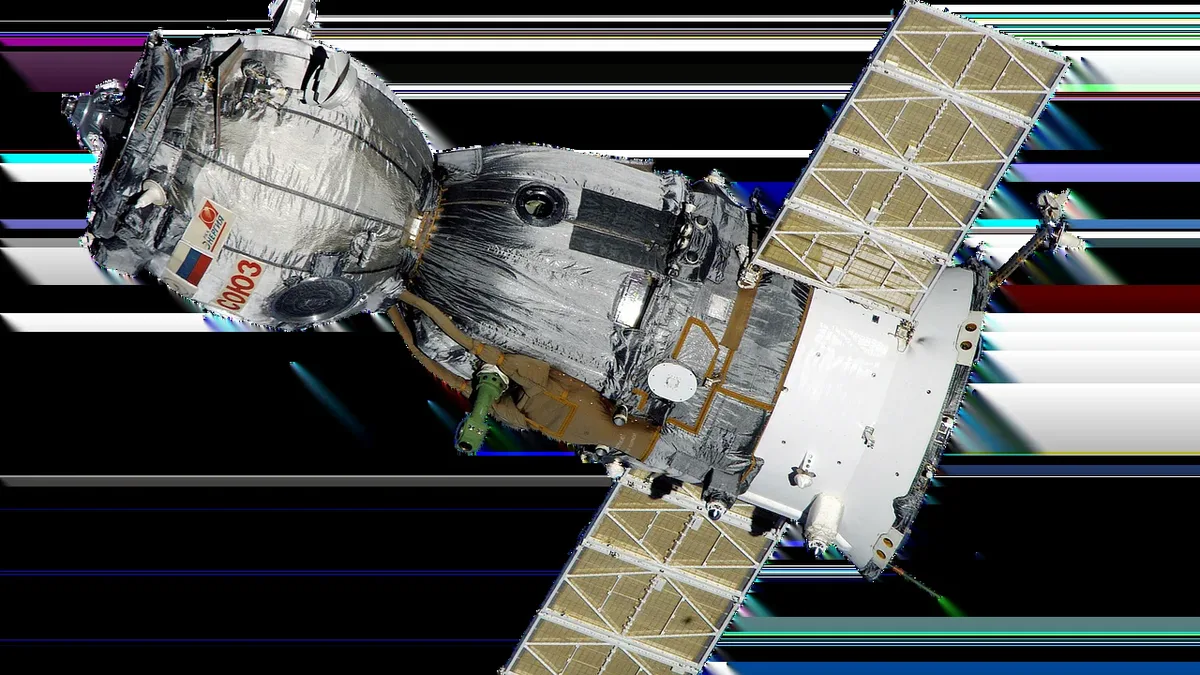
Blue Canyon unveils FleXbus spacecraft kit
RTX's Blue Canyon Technologies launched FleXbus, a configurable kit of flight-proven spacecraft parts to speed up satellite development and launch.
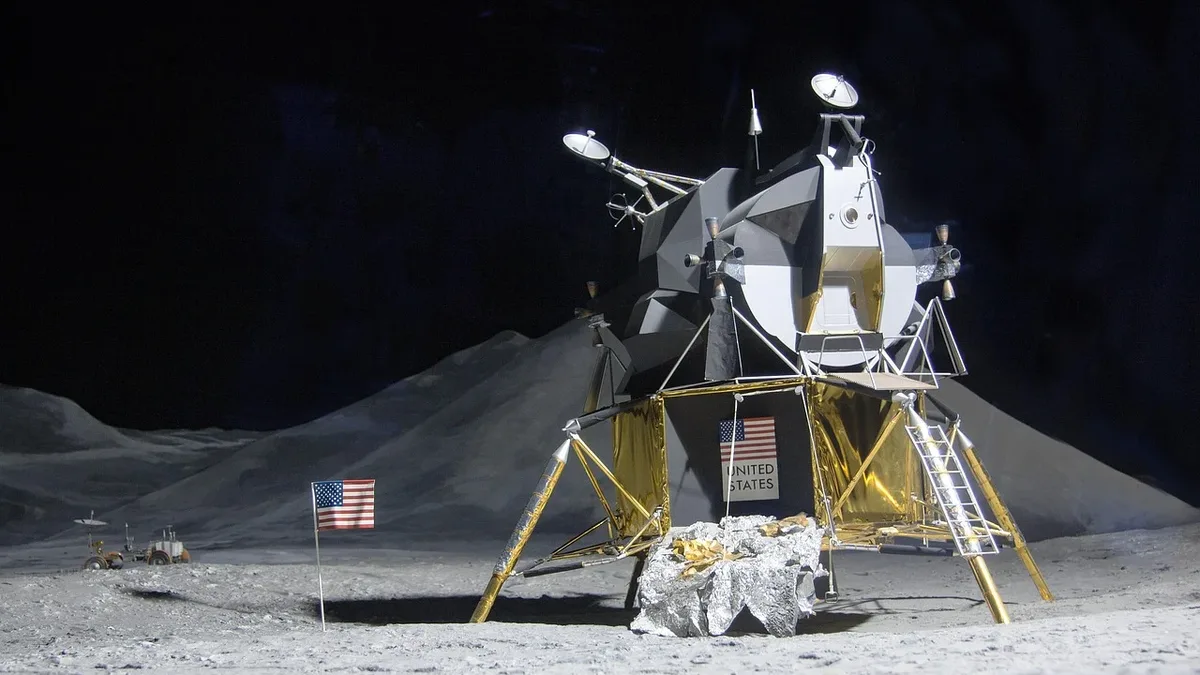
Tory Bruno to Chair World Space Week 2027
Blue Origin's Tory Bruno has been named Honorary Chair for World Space Week 2027, which will focus on lunar exploration under the theme 'To the Moon'.