Eclipse Space Unveils Three Flat-Pack Satellite Platforms
Startup Eclipse Space has detailed its first three satellite platforms for constellations, targeting direct-to-device communications, broadband, and
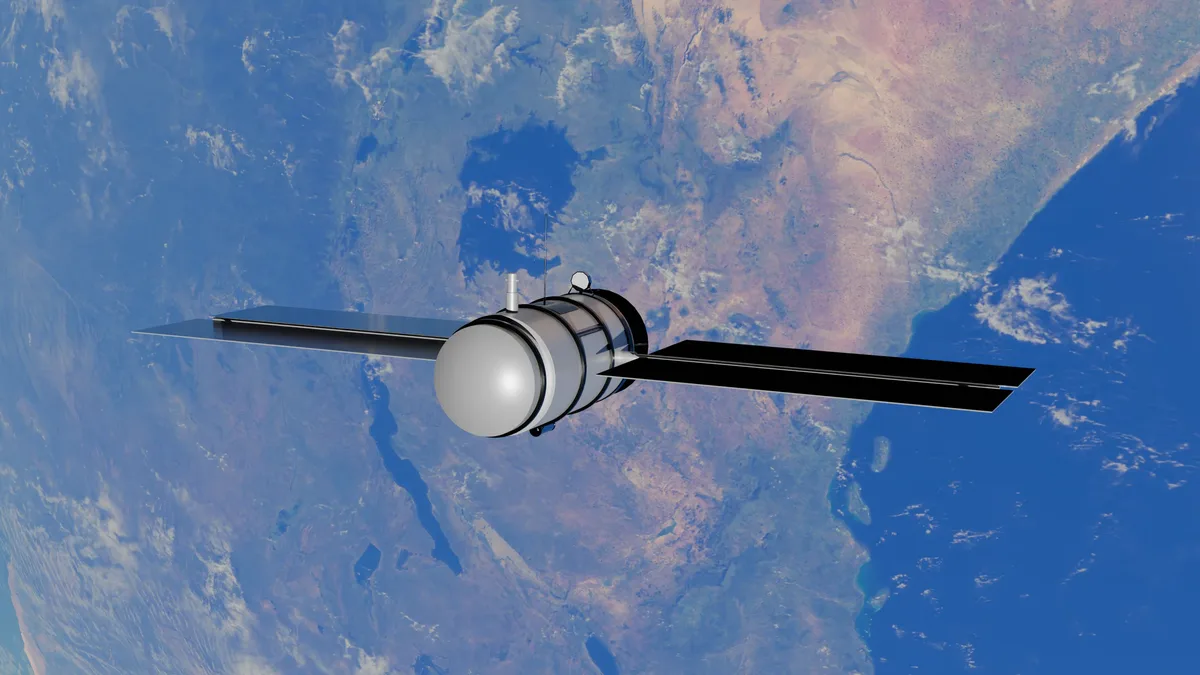
Eclipse Space has unveiled details of its first three satellite platforms, each designed for a specific constellation capability. The startup, founded by former SpaceX engineers, is targeting direct-to-device communications, high-throughput broadband, and in-orbit compute markets with a focus on commercial customers.
CEO Derek Huerta told Payload that the company's first demonstration mission is now scheduled for 2028, a shift from the 2027 target announced when Eclipse emerged from stealth three months ago. The company's approach is to deliver a complete, turnkey system for operating satellite networks, rather than just individual spacecraft.
A System, Not only a Satellite
Huerta explained that customers often express a desire for their own "Starlink," which he described as a total system rather than a single satellite. Eclipse aims to provide that end-to-end capability, allowing clients to own and operate their infrastructure. The CEO stated that many Eclipse engineers contributed to the original Starlink project, which he cited as a unique qualification for the task.
However, Eclipse is adopting a different operational model from SpaceX's vertical integration. Huerta compared the strategy to Apple's relationship with Foxconn, where Eclipse designs the systems and partners with suppliers for manufacturing. As part of this approach, the company announced a partnership with French space firm Gama to develop a scalable power system capable of exceeding 100 kilowatts.
Three Flat-Pack Designs
All three new satellite platforms use a flat-pack design that folds flat inside a rocket fairing to maximize the number of units launched simultaneously. The platforms are tailored for distinct in-space functions.
| Platform | Primary Function | Key Features | Peak Power Generation |
|---|---|---|---|
| CitraSat | Direct-to-Device (D2D) Comms | S-band phased array antenna, multi-Gbps E-Band backhaul, V-band intersatellite links | 6 kW |
| SliceSat | High-Throughput Broadband | Ku-band phased array antennas, multi-Gbps V/E-band backhaul links, V-band intersatellite links | 8 kW |
| SurgeSat | In-Orbit Compute | Based on same platform as others, includes 400 sq m radiator for heat dissipation | 100 kW |
CitraSat is designed to connect directly to mobile devices without a dedicated terminal. SliceSat focuses on delivering high-speed broadband connectivity. SurgeSat, built for advanced in-orbit computing, shares the core platform but features significantly larger power generation and a substantial radiator to manage heat dissipation in space.
Commercial Focus and Roadmap
The company will not release all three platforms simultaneously. Huerta said Eclipse is concentrating first on the direct-to-device communications market, intending to apply lessons learned there before moving into broadband and orbital compute sectors. While Eclipse has described itself as a builder for both commercial and sovereign constellations, its immediate focus is squarely on the commercial arena.
"We're steering clear of US government work," Huerta stated. He explained that the company views the overhead required for government contracts as a potential drag on speed and competitiveness in the commercial market. This strategic choice is intended to maintain agility and focus on the commercial customers Eclipse believes are its primary near-term opportunity.
The unveiling of these three platforms marks Eclipse Space's formal entry into the competitive satellite constellation market, use a flat-satellite design and a partnership-driven manufacturing model to offer turnkey network solutions.