NASA's Roman Space Telescope Launches on
The Nancy Grace Roman Space Telescope launched Sunday morning, beginning a journey to L2 and a mission to study dark energy, dark matter, and exoplanets
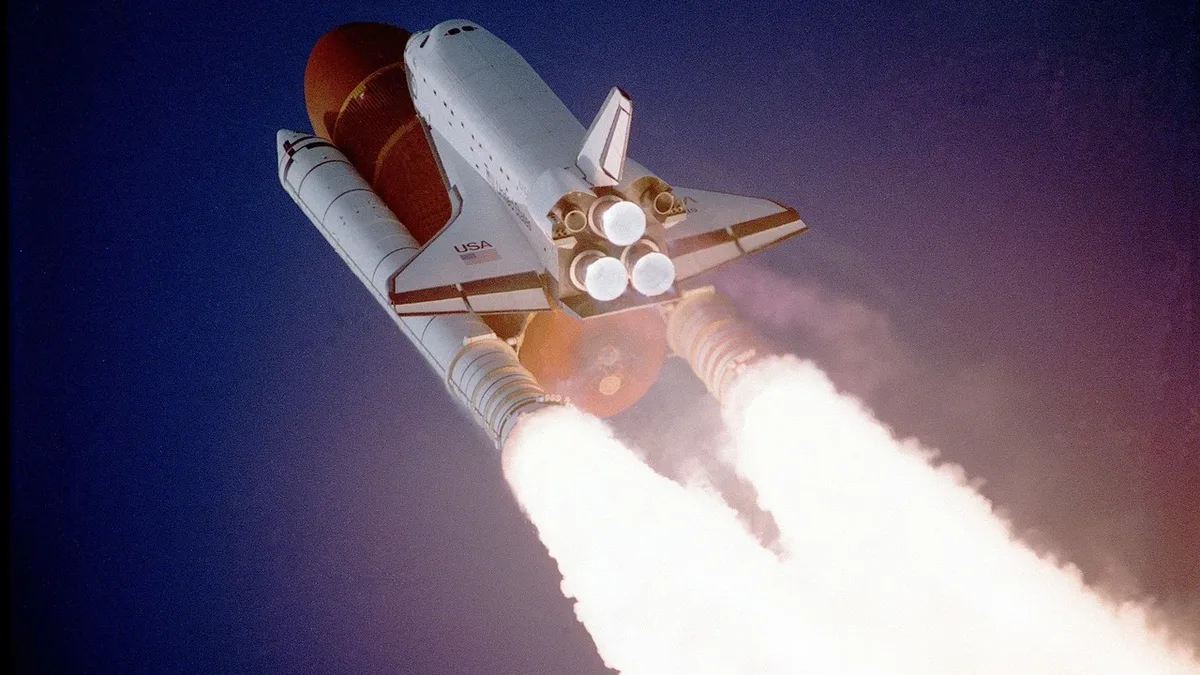
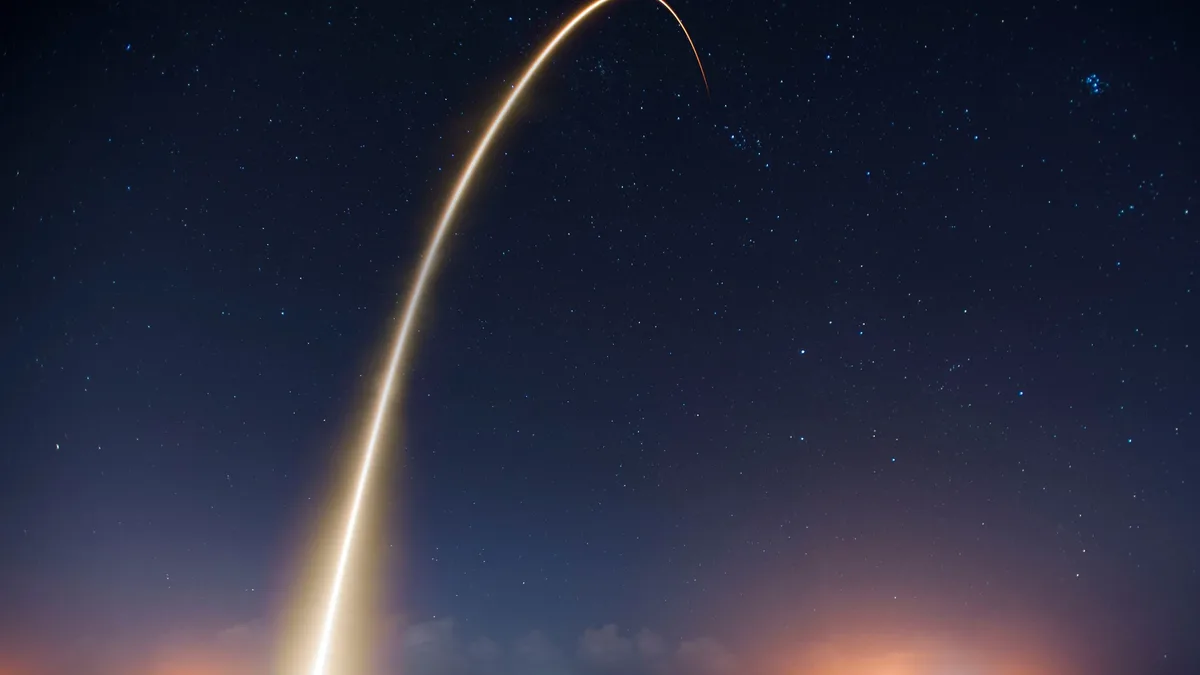
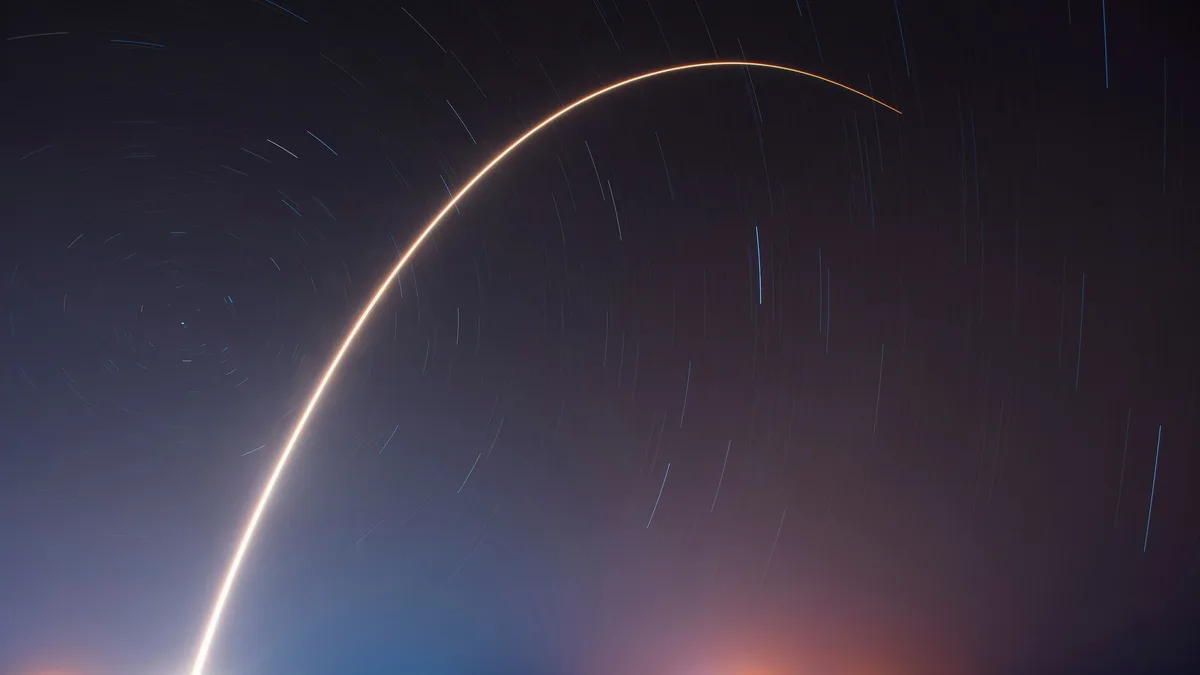
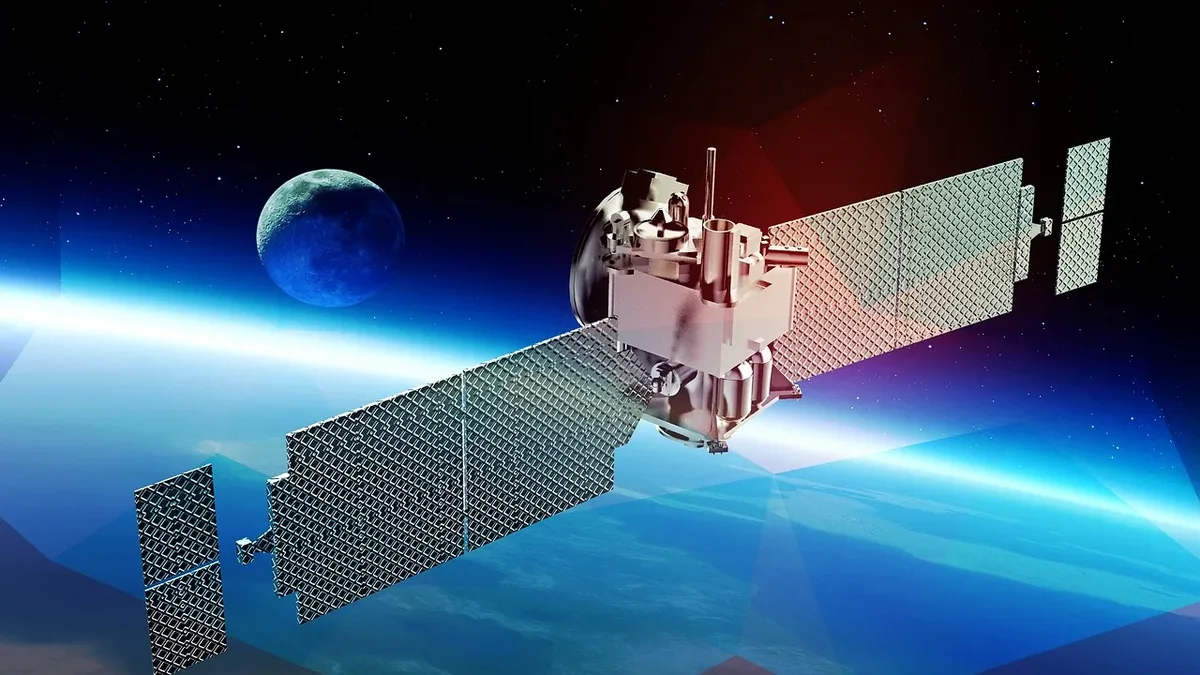
NASA's Nancy Grace Roman Space Telescope launched at 7:26 am ET on Sunday from Kennedy Space Center. It rode a SpaceX Falcon Heavy rocket to begin its trip to Lagrange Point 2, where it will undergo months of calibration before starting science operations.
The flagship mission aims to explore dark matter, dark energy, and exoplanets. Roman's field of view is at least 100 times larger than the Hubble Space Telescope's, enabling it to measure light from a billion galaxies over its lifetime.
NASA Roman Operations Manager Morgan Van Arsdall told Payload that the mission taps into fundamental human curiosity. "Ever since humans first looked at the stars, we've been wondering, 'What's our place in the universe?'" she said prior to launch.
A Mission That Survived Cancellation
The launch occurred roughly nine months ahead of the May 2027 readiness date NASA committed to after a pandemic-era replan. Its journey to the pad was not assured. The program survived four separate White House attempts to slash or cancel its funding across both Trump administrations, with Congress protecting it each time.
Van Arsdall credited the timely launch to limited fundamental changes since the program's 2010 concept approval and the team's determination. "I think the whole team kind of understands the responsibility that we have towards the public for keeping everything just as efficient and effective as we can," she said.
Probing the Universe's Dark Secrets
Once operational, Roman will investigate invisible cosmic forces. Its tasks include sweeping hundreds of millions of galaxies to test dark energy theories and mapping dark matter's structure across space and time. It will also monitor hundreds of millions of stars, using microlensing to find and photograph exoplanets.
Van Arsdall anticipates a profound shift in understanding. "From the science point of view, a year from now, our understanding of the structure of the universe is going to be completely different than it is right now," she said. "To be able to completely transform how we understand the universe is pretty amazing."
Complementary Observatory Capabilities
Roman will work alongside the Hubble and James Webb Space Telescopes. Their differing designs create a powerful collaborative team. The capabilities of the three observatories are complementary.
A Legacy for the 'Mother of Hubble'
The telescope is named for Nancy Grace Roman, NASA's first chief of astronomy and first female executive. Known as the "Mother of Hubble" for championing that telescope's development, she broke barriers at the fledgling space agency.
Van Arsdall expressed a desire for more focus on Roman's personal story. "She is definitely one of my personal heroes, and it's just such a tremendous honor to be working on the telescope that is going to carry forth her legacy," she said. The team hopes the telescope's first images will arrive as a new year's gift to the world.