Project-S Emerges from Stealth to Build European Space
Munich-based Project-S has revealed its plans to develop a constellation of space-based radar satellites, powered by AI, to detect and track small orbital

Munich-based startup Project-S has emerged from stealth operations. The company is developing space-based radar payloads and AI-enabled orbital intelligence systems to detect and track small debris, aiming to strengthen European space situational awareness (SSA).
According to the company, its primary goal is to build a dedicated European space safety layer. This initiative seeks to address a critical gap in the continent's independent ability to monitor objects in orbit, particularly small and potentially hazardous debris that ground-based sensors often miss.
The Technology and Mission
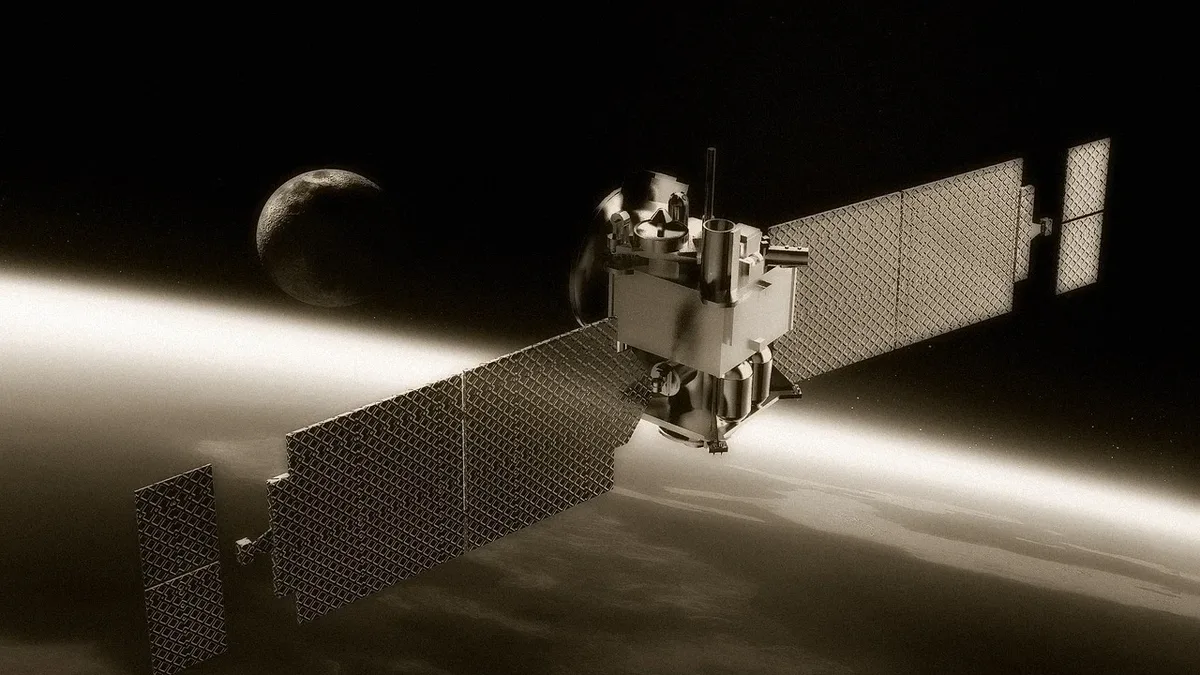
The core of Project-S's plan involves deploying a constellation of satellites equipped with active radar payloads. These space-based sensors are designed to overcome the limitations of terrestrial observation networks, which can be hindered by weather, atmospheric conditions, and the curvature of the Earth. The company states that its in-orbit radars will provide persistent, all-weather tracking capabilities.
Artificial intelligence is a key component of the system. Project-S is developing AI software to process the radar data, automating the detection, classification, and tracking of objects. This AI-enabled orbital intelligence is intended to deliver actionable insights for collision avoidance and space traffic management.
The European SSA Context
The push for an independent European SSA capability has gained momentum in recent years. Currently, Europe relies heavily on data from the U.S. Space Surveillance Network and other external sources. Project-S positions its proposed safety layer as a sovereign solution to reduce this dependency.
A company representative emphasized the strategic importance of the project, stating it would "strengthen Europe's autonomy in space." The ability to accurately track small debris-fragments as small as a few centimeters-is seen as vital for protecting valuable satellites and ensuring the long-term sustainability of key orbital regions.
The Path Forward
Project-S is now actively seeking partnerships and funding to advance its technology from development to orbital demonstration. The company did not provide a specific timeline for its first launch or details on the exact number of satellites planned for its initial constellation.
However, the ambition is clear: to establish an operational, commercial service providing high-fidelity tracking data to both government and private satellite operators across Europe. The successful deployment of such a system would mark a significant step in Europe's efforts to secure its assets and interests in an increasingly congested orbital environment.
The emergence of Project-S adds a new contender to the growing field of commercial space situational awareness providers, with a distinct focus on European sovereignty and radar-based observation from space itself.