UK Defence Secretary Warns Space Control Is Key
UK Defence Secretary Wes Streeting told the UK Space Power Conference that control of space is central to national security and warned adversaries are
UK Defence Secretary Wes Streeting has declared that control of space will be the defining factor for national security this century. He delivered the warning while closing the first day of the UK Space Power Conference, framing space dominance as the core of British deterrence strategy.
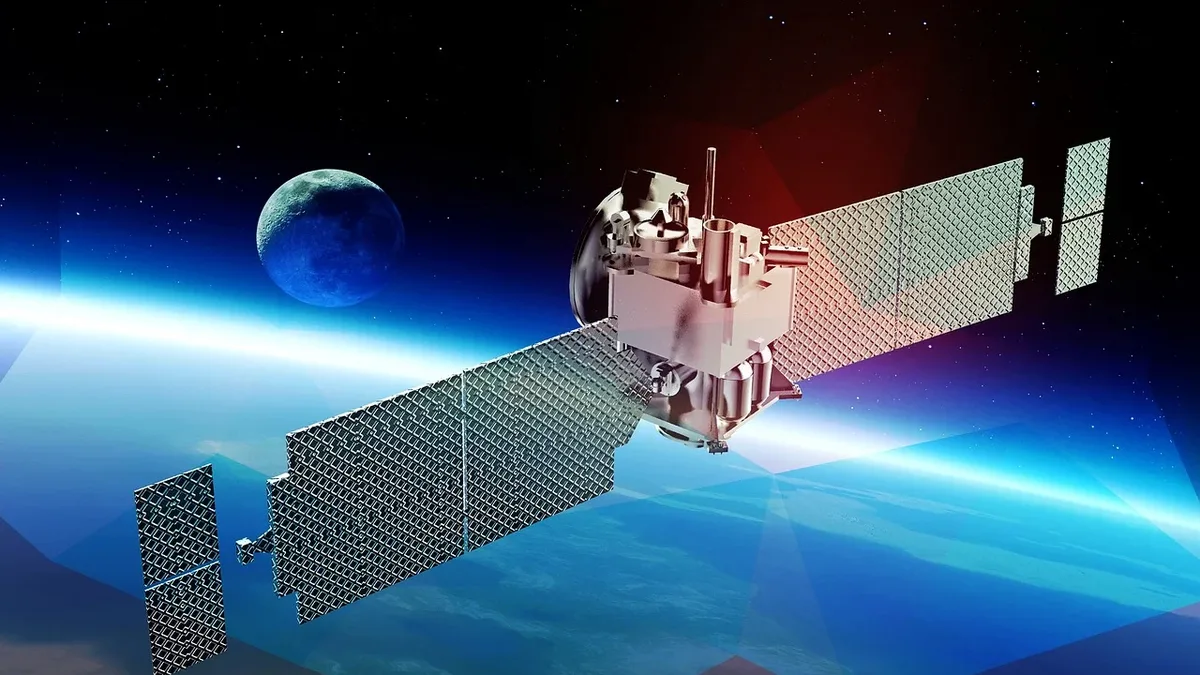
Streeting stated that adversaries are actively targeting satellite systems to undermine public confidence. He argued that disrupting critical space-based services, like communications and navigation, is a tactic used to fuel populist movements and erode trust in institutions. The defence secretary's comments highlight a shift in military planning, where space is no longer just an enabler but a contested warfighting domain.
The Strategic Shift to Space
The UK's defence posture is being reshaped around space capabilities. Streeting's speech positioned space control as inseparable from traditional notions of national power. He suggested that future conflicts will likely begin with attacks on satellite constellations. This makes protecting and controlling access to space a primary defence objective.
Military planners are reportedly focusing on both defensive and offensive space operations. The goal is to ensure the UK can maintain its own satellite services while denying the same advantage to potential adversaries. This dual approach reflects the growing militarization of orbit.
The Populism and Disruption Link
A key part of Streeting's address connected technical attacks with political instability. He claimed that state and non-state actors use satellite jamming and spoofing to create societal disruption. The resulting chaos, he warned, is exploited to promote populist narratives that challenge democratic governments.
For example, disrupting Global Navigation Satellite Systems (GNSS) could cripple transportation, finance, and emergency services. Streeting implied that such attacks are not only about blinding an enemy's military but about shaking the very foundations of a modern, connected society. The defence secretary's message was clear: space security is now directly linked to domestic political resilience.
The Path Forward for the UK
While the speech outlined the threat, it also pointed to a necessary response. Streeting emphasized that the UK must invest in resilient space architecture. This includes developing secure communications satellites and enhancing surveillance of objects in geostationary and other orbits.
The conference itself is a step in building that capability, bringing together military, government, and industry leaders. The UK's approach will likely involve closer collaboration with allies and increased funding for space force initiatives. The ultimate aim is to deter aggression by demonstrating a credible ability to defend and control vital orbital domains.
Streeting closed his remarks by reiterating the century's stakes. Control of space, he asserted, is not a niche interest but the bedrock of future security. The UK Space Power Conference continues to debate the specific technologies and policies needed to meet this challenge.