Rocket Factory Augsburg
| Founded | 2018 |
|---|---|
| Headquarters | Augsburg, Germany |
| Vehicle | RFA ONE |
| Payload to LEO | Up to 1,300 kg |
| Propulsion | Helix engine (LOX/Kerosene) |
| Launch site | SaxaVord Spaceport (planned) |
| Stage recovery | Not planned (expendable) |
Overview
Rocket Factory Augsburg is a German launch service provider focused on developing and operating cost-effective small satellite launch vehicles. The company's primary objective is to offer dedicated launches for small satellites into low Earth orbit with a high degree of schedule flexibility. Its core product is the RFA ONE rocket, a three-stage launch vehicle designed for payloads in the micro to small satellite category. The company employs a strategy of industrial mass production and lean operations to reduce launch costs significantly. Its operational model integrates a standardized payload interface and rapid launch campaigns to serve the commercial, institutional, and scientific satellite market. The firm is part of a broader European New Space ecosystem aiming to secure independent and responsive access to space.
History
Rocket Factory Augsburg originates from Germany, specifically from the city of Augsburg in the federal state of Bavaria. The company was founded in the late 2010s, a period marked by the rapid growth of the European New Space sector and increasing demand for dedicated small satellite launches. Its establishment was driven by a team of engineers and entrepreneurs with backgrounds in aerospace, automotive, and software industries seeking to apply industrial manufacturing principles to rocket production. The company secured early-stage funding and support from both private investors and German aerospace initiatives, allowing for the initial development of its propulsion technology and vehicle design. Key technical milestones were achieved in the early 2020s with extensive testing of its proprietary staged-combustion rocket engines. The development path has focused on incremental verification, progressing from component and engine tests towards integrated stage tests and full vehicle launch campaigns.
How it works today
The company's operational focus is the RFA ONE launch vehicle, which uses a combination of kerosene and liquid oxygen as propellants for all its stages. The first stage is powered by a cluster of nine identical "Helix" engines, which are designed for cost-efficient serial production and reusability of the engine module. The second stage uses a single vacuum-optimized version of the same Helix engine, while the third stage is a kick stage that provides precise orbital insertion for multiple payloads. A key differentiator is the company's "Plug-and-Play" payload interface, which standardizes satellite integration to simplify and accelerate launch preparations. The company conducts its launch operations from existing and newly developed spaceports, including sites in Portugal, Norway, and the United Kingdom, to access various orbital inclinations. Final assembly, integration, and testing of the rocket are performed at the company's industrial production facility in Augsburg before transport to the launch site.
Why it matters
The company represents a European industrial effort to capture a share of the global commercial small launch market, which is crucial for maintaining independent and sovereign access to space. Its emphasis on cost reduction through serial production addresses a primary barrier for small satellite operators, who often face high costs and long wait times on larger, shared rideshare missions. By offering dedicated launches from European territory, it provides an alternative for institutional and commercial customers seeking to avoid geopolitical launch dependencies. The development and production of its own staged-combustion rocket engines contribute to European propulsion expertise, a strategically important and high-value segment of the aerospace industry. Successful operation would increase launch frequency and flexibility for the European space sector, enabling more responsive satellite constellations and technology demonstrations. Furthermore, its business model stimulates local high-tech manufacturing and engineering employment within the European Union's aerospace supply chain.
Common misconceptions
A common misconception is that Rocket Factory Augsburg is solely a startup without substantial industrial backing, when in fact it has established significant manufacturing infrastructure and partnerships with established aerospace suppliers. Another error is viewing the company in direct competition primarily with large legacy launch providers, whereas its immediate rivals are other dedicated small launch vehicle companies in Europe and globally. Some assume the use of kerosene fuel is a conservative or outdated choice, not recognizing that its staged-combustion engine cycle represents a high-performance, complex technology that offers efficiency benefits. It is also mistaken to believe the company's entire vehicle is reusable; its current design focuses on the recovery and refurbishment of only the first-stage engine cluster, not the entire rocket stage or tankage. There is a tendency to overstate the readiness of its launch service based on announced schedules, while the development of new launch vehicles typically encounters technical and regulatory delays that shift initial launch dates. Finally, the company is sometimes incorrectly characterized as a purely commercial entity without strategic relevance, despite its role in supporting European space policy goals for autonomous launch capabilities.
Latest Rocket Factory Augsburg news
Latest reporting
Gama raises €15M to scale ultra-light solar arrays
Paris-based startup Gama has secured €15 million in seed funding to build a high-volume factory for its software-stabilized solar arrays, aiming to...
Rocket Lab Books Eight Neutron Launches in Q3 for Over $515 Million
Rocket Lab secured eight new Neutron launch contracts worth over $515 million in Q3 2026, expanding its backlog to a record $3.6 billion despite a...
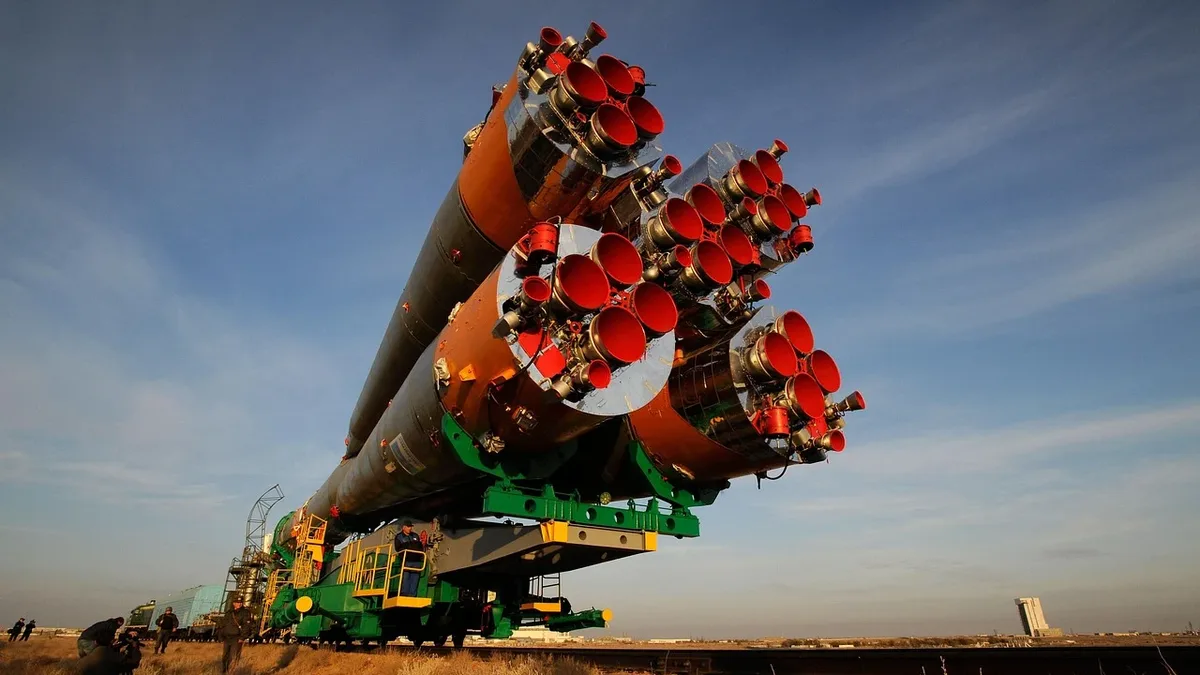
AST SpaceMobile Builds Blacklift Rocket for Direct-to-Device Constellation
AST SpaceMobile announced a $1.3 billion deal with Firefly Aerospace to build its own 20-ton Blacklift rocket, securing launch access for its...
Rocket Lab delays Neutron rocket to 2027 over fuel tank issue
Rocket Lab has pushed the first flight of its Neutron rocket from late 2026 to 2027 after discovering voids in the carbon-composite fuel tank.
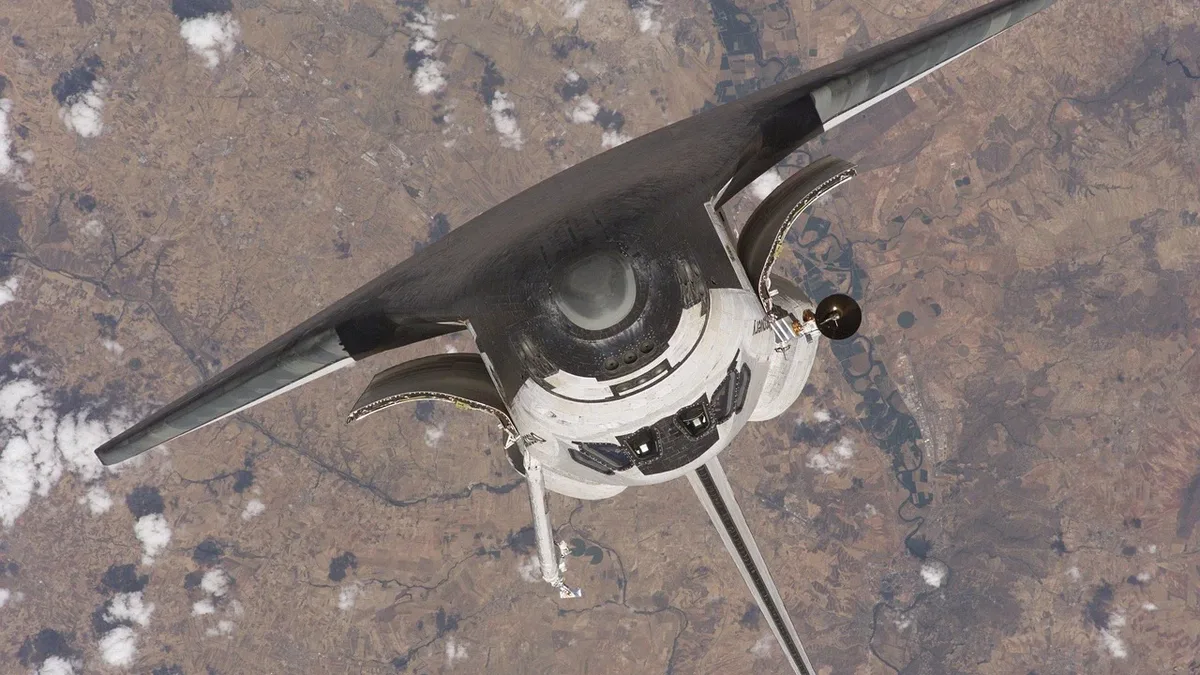
MetOp-SG-B1 satellite readied for Ariane 6 launch
ESA's MetOp-SG-B1 weather satellite has arrived in French Guiana and is being prepared for launch on an Ariane 6 rocket later this year, a key step...
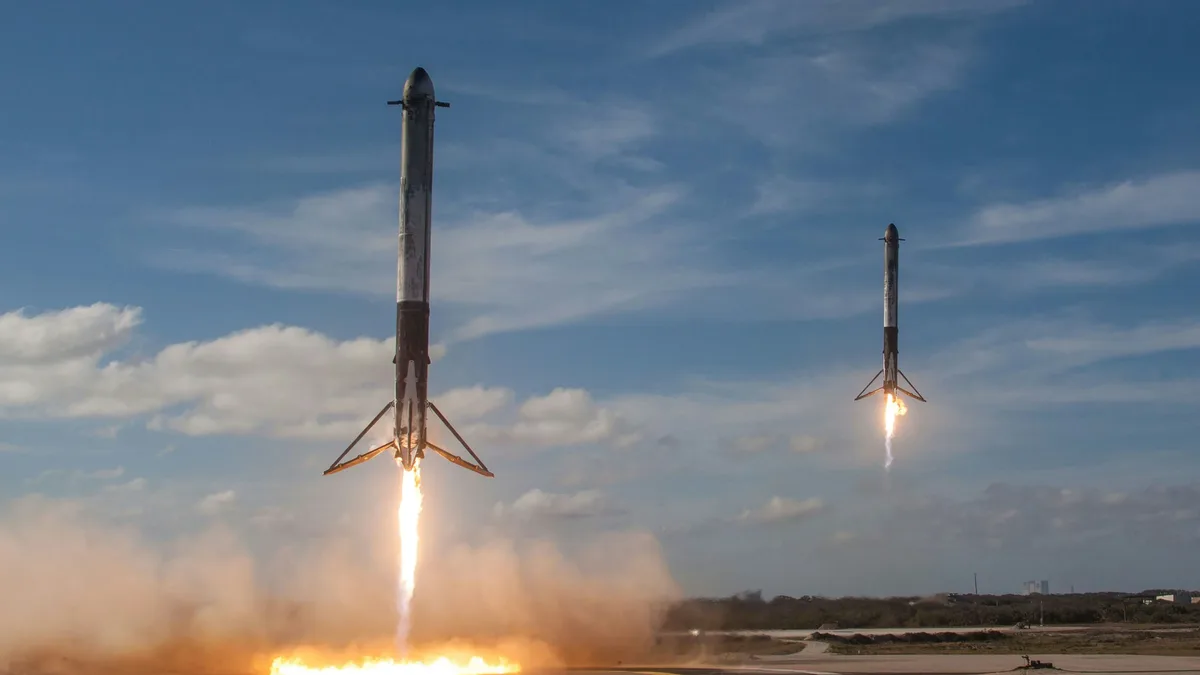
Exolaunch expands rideshare capacity with H3 and Falcon 9 missions
Exolaunch will launch its first mission from Japan in 2027 using Mitsubishi Heavy Industries' H3 rocket, and has booked dedicated and co-integrated...