Exolaunch expands rideshare capacity with H3 and Falcon 9 missions
Exolaunch will launch its first mission from Japan in 2027 using Mitsubishi Heavy Industries' H3 rocket, and has booked dedicated and co-integrated SpaceX Falcon 9 missions for 2027 and 2028, expanding rideshare options amid surging launch demand.
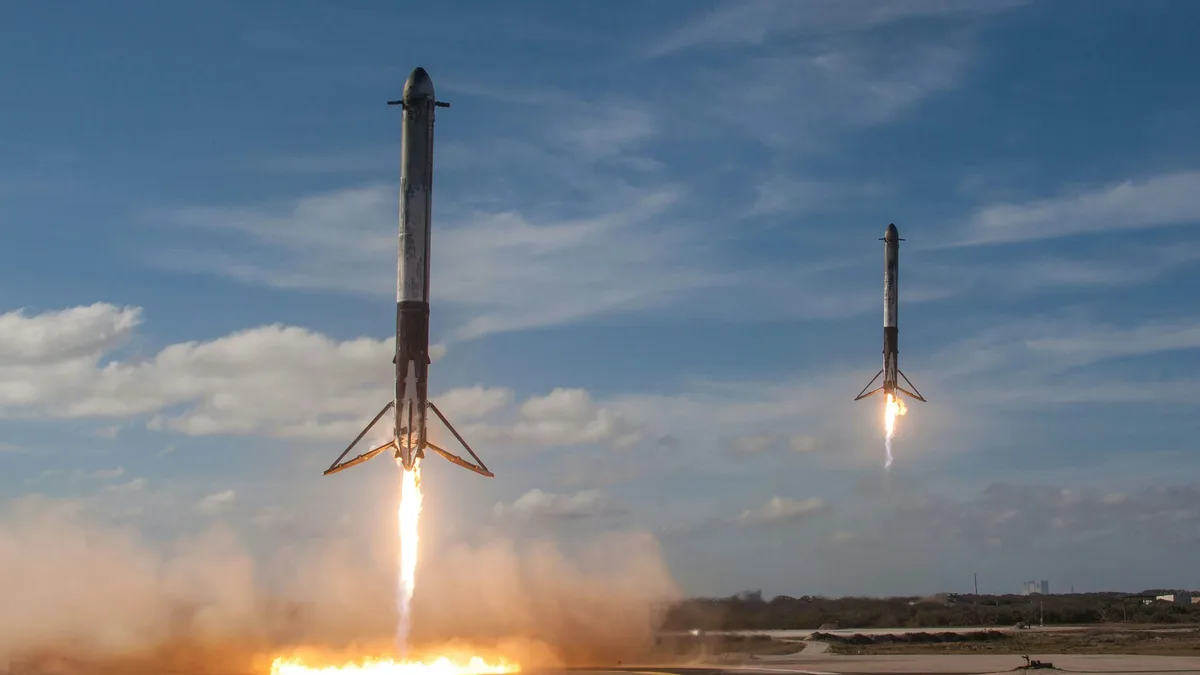
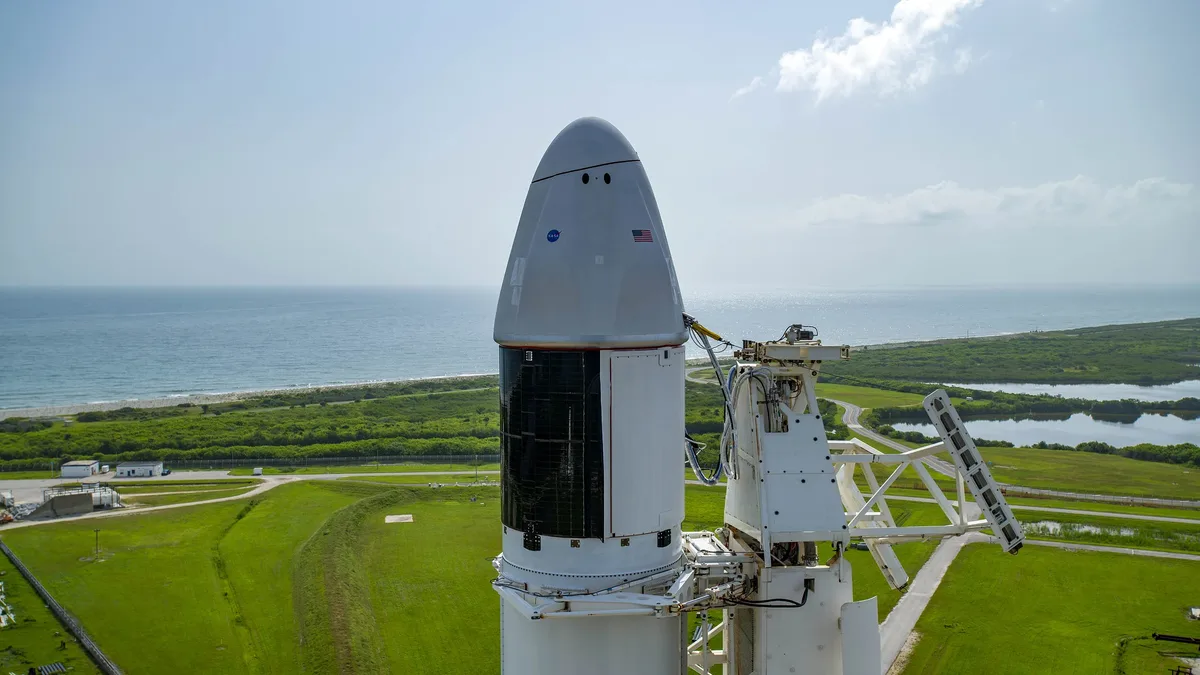
Exolaunch will conduct its first launch from Japan in 2027, a mid-inclination rideshare mission aboard Mitsubishi Heavy Industries' H3 rocket. This move comes as the company expands its Falcon 9 rideshare capacity with dedicated missions in late 2027 and 2028 and a co-integrated flight for a NASA-DLR satellite, responding to a launch market where demand far outpaces the diversity of available vehicles.
Exolaunch expands Falcon 9 capacity with dedicated and co-integrated missions
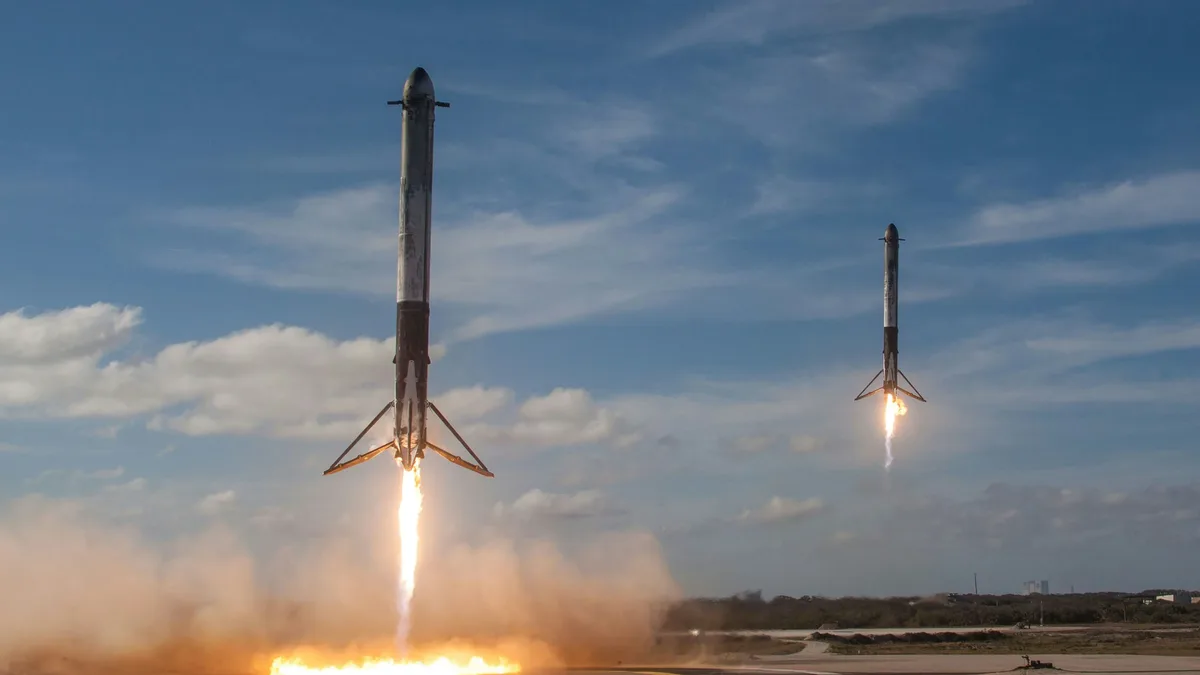
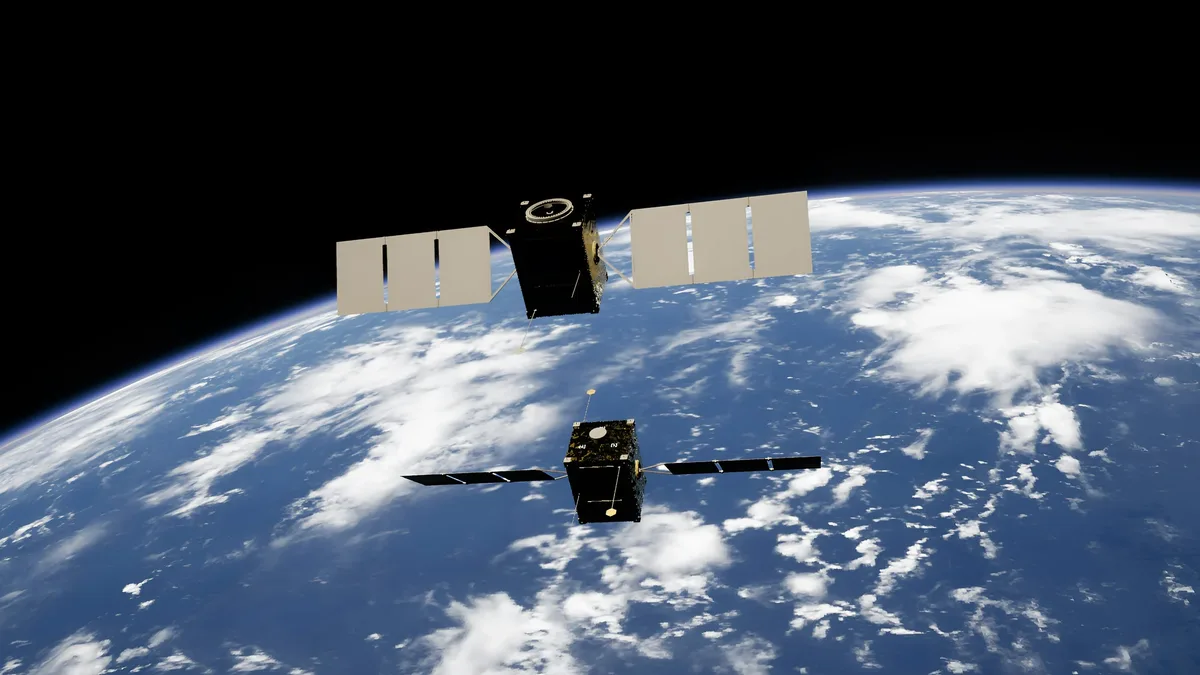
Exolaunch has secured dedicated SpaceX Falcon 9 rockets for two missions named Exo-1 and Exo-2. Each mission will reserve approximately 40% of the rocket's capacity for an anchor customer, with the remaining 60% sold as rideshare slots to other satellite operators. The company will also co-integrate the GRACE-C mission, a joint project of the German Aerospace Center (DLR) and NASA, on a Falcon 9 in late 2028. For this flight, Exolaunch will provide a custom payload structure and sell the rocket's unused capacity to other customers.
The planned missions are part of a broader launch surge. The Federal Aviation Administration licensed 187 launches in fiscal year 2026, a significant increase from less than 100 a decade earlier. Robert Sproles, chief executive of Exolaunch, has overseen the deployment of 912 satellites across 51 launch events. The company's first eight launches of 2026 alone used four different rocket types from three continents.
Leveraging vehicle specialization for market growth
Different launch vehicles serve distinct market segments. SpaceX's Falcon 9 is optimized for large commercial constellations, human spaceflight, and heavy rideshares. In contrast, Rocket Lab's Electron vehicle is designed for small satellites and CubeSats requiring custom orbital planes. This specialization is critical as the global space economy, valued at $626 billion in 2025, is forecast to grow at 5.5% annually through 2034, reaching over $1 trillion.
Despite record activity, the industry faces a bottleneck. Launch diversity has declined since 2016 due to technology shifts, geopolitics, and post-COVID-19 supply chain disruptions. The Trump administration has set a goal for U.S. spaceports to support more than 1,000 launches and reentries annually by 2030. Robert Sproles highlighted the core challenge. "Demand is crazy," he said. "The demand curve is so much steeper than the supply curve."
Sproles argues that the ideal future allows customers to launch at any time to any orbit, free from constraints of vehicle availability or schedule, mirroring logistics in other industries. Exolaunch's 2027 H3 mission from Japan and its slate of Falcon 9 missions are direct steps toward providing that expanded, flexible capacity for the growing space economy.