AST SpaceMobile Builds Blacklift Rocket for Direct-to-Device Constellation
AST SpaceMobile announced a $1.3 billion deal with Firefly Aerospace to build its own 20-ton Blacklift rocket, securing launch access for its BlueBird satellites with a first flight target of late 2028.
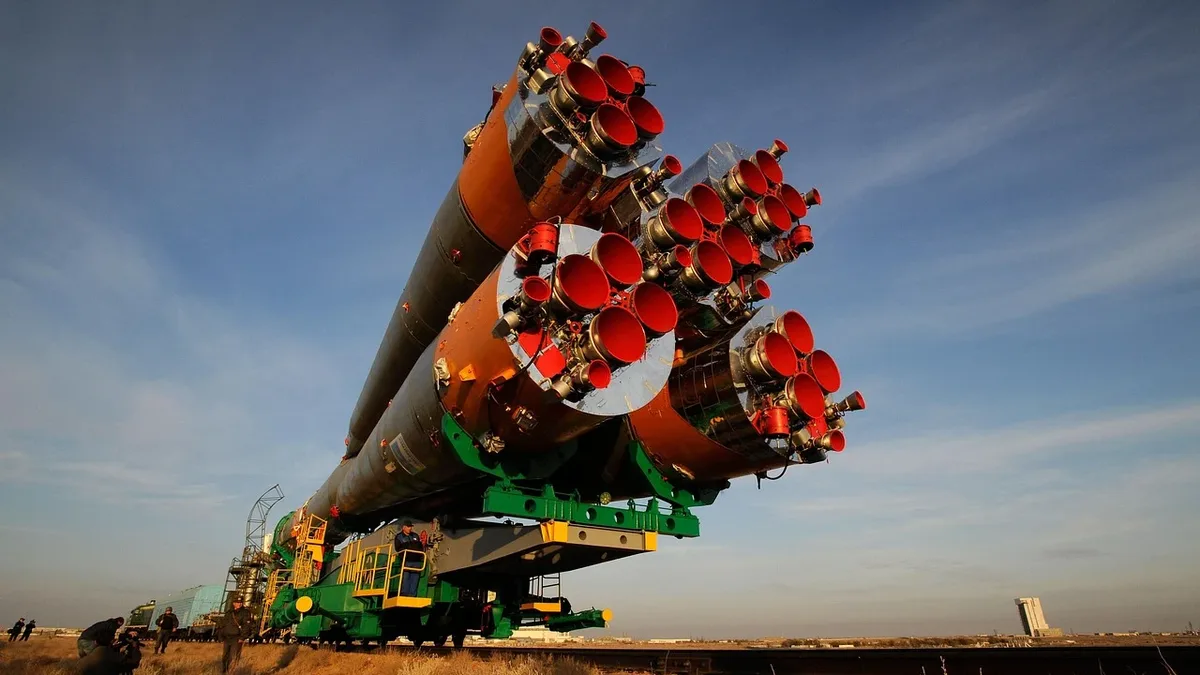
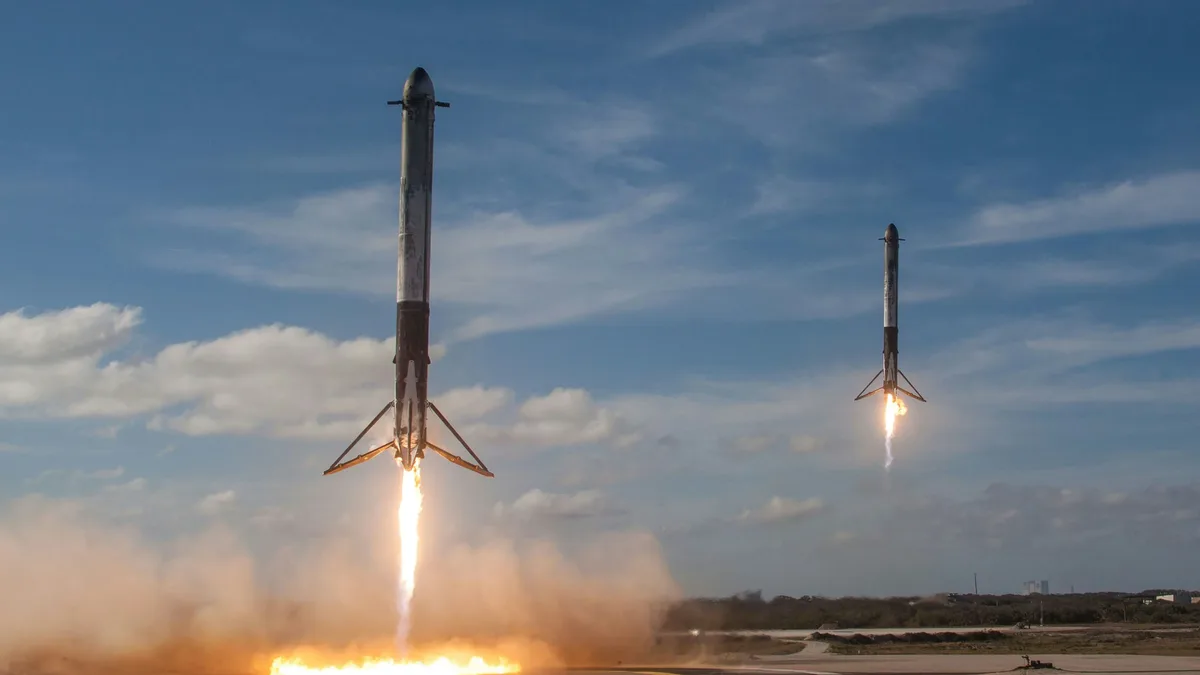
AST SpaceMobile announced on November 6 that it is building a reusable rocket called Blacklift to launch its broadband satellites to low Earth orbit. The company is targeting the first missions for the new 20-ton rocket to start in late 2028, a date it describes as a target rather than a confirmed flight schedule.
AST SpaceMobile has signed a deal with Firefly Aerospace to provide engines and engineering services for the first three Blacklift launches. The agreement is valued at approximately $1.3 billion and combines cash payments with stock issuance. The company will pay about $400 million in cash up front and issue between 10 and 14 million shares.
Firefly partnership secures engine supply
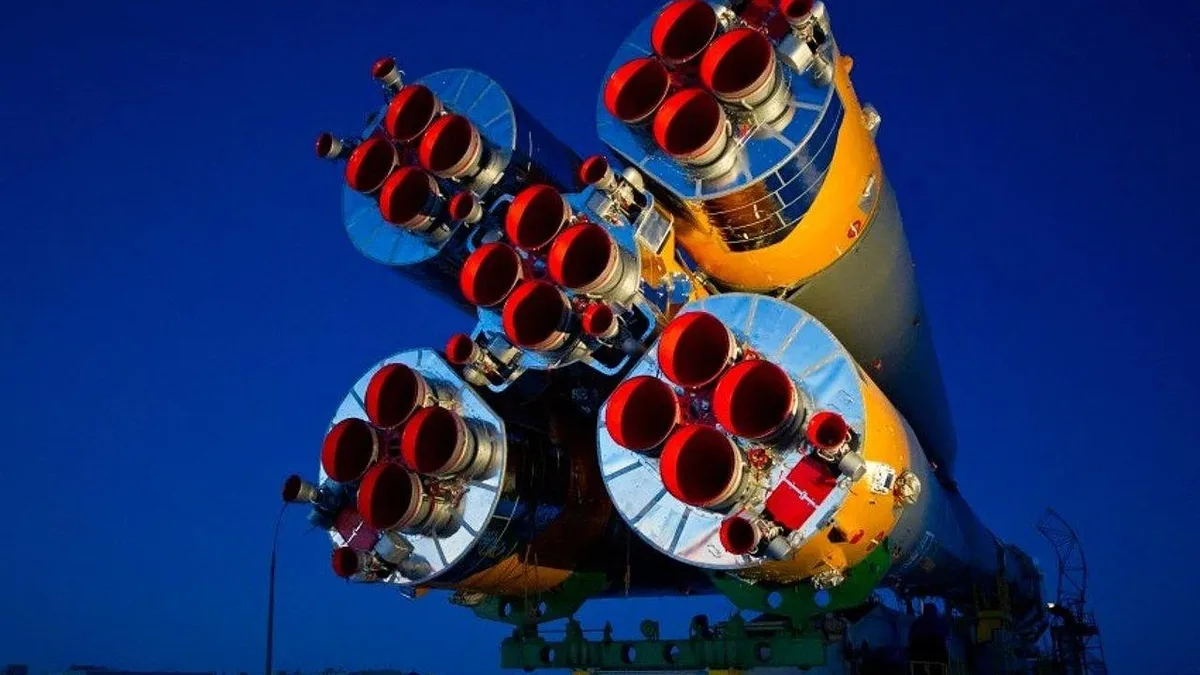
AST SpaceMobile will purchase 27 Miranda engines and nine vacuum-variant Vira engines from Firefly Aerospace. The Miranda engine, which will power Blacklift's booster, has been tested for over 4,200 seconds across 175 hot fires. The Vira engine will power the upper stage and has no flight experience. The deal includes a perpetual license for AST SpaceMobile to manufacture these engines after the first three launches, though Firefly Aerospace will retain full ownership of the engine intellectual property.
The licensing agreement for the engine technology cost AST SpaceMobile about $800 million, with half paid in cash and half in stock. A separate $500 million supply and services agreement covers the first three launches, which includes $250 million for the delivery of the engines.
Engineering support spans three years
Firefly will provide three years of engineering services to support the first three Blacklift launches. AST SpaceMobile will pay $250 million over this three-year period for these support services. Company President Scott Wisniewski stated the Miranda engine will allow the company to leapfrog the traditional five-to-10-year development cycle for Blacklift.
Blacklift enables satellite deployment acceleration
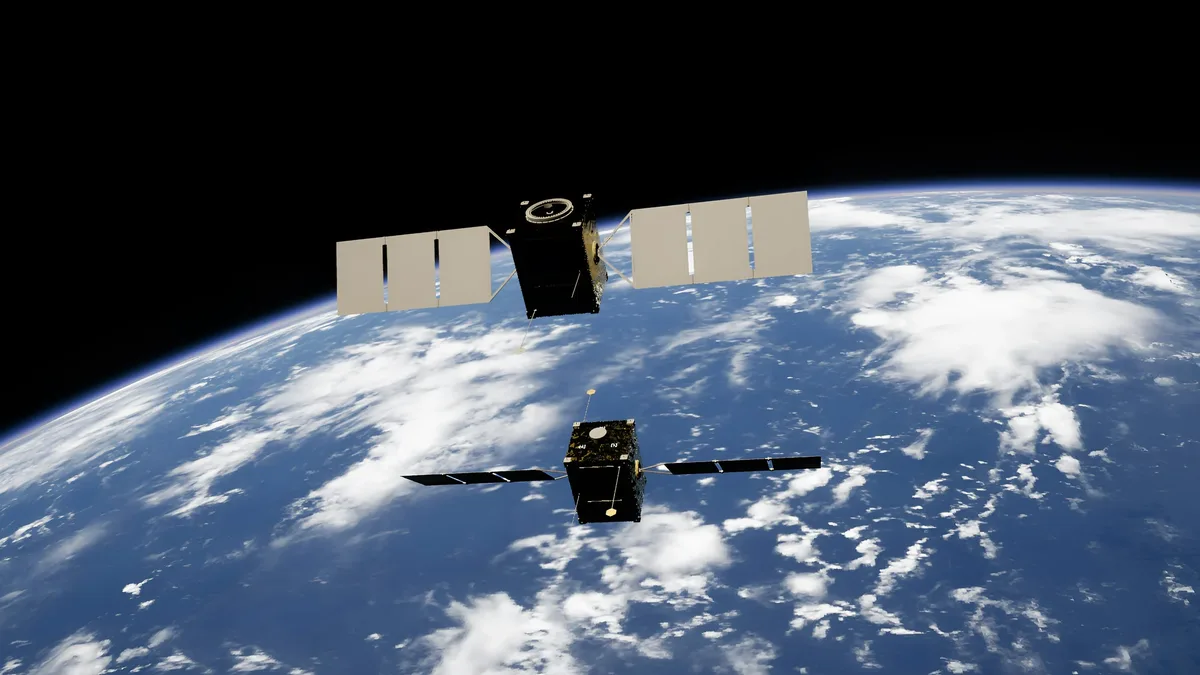
The Blacklift rocket is designed to haul 20 tons to low Earth orbit, enabling it to carry up to five BlueBird satellites per launch. This capability is central to AST SpaceMobile's strategy to deploy its direct-to-device constellation, as launch access has stymied deployment. The company holds contracts to launch more than 100 BlueBird satellites across 2027 and 2028. At five satellites per launch, that backlog would require approximately 20 Blacklift missions.
The company has launched 13 BlueBird satellites to date using three different launchers: SpaceX's Falcon 9, Blue Origin's New Glenn, and India's Launch Vehicle Mark-3. These include eight "Block 2" variants, with antennas covering 2,400 square feet (223 square meters) each, the largest commercial array ever deployed in low Earth orbit. AST SpaceMobile expected to have 45 BlueBird satellites in orbit by the end of this year.
Founder, chairman, and CEO Abel Avellan stated the Blacklift rocket is the springboard to significantly expand the company's total addressable market and provide regular unconstrained access to orbit with favorable economics. He added that Blacklift will accelerate the mission to build a new layer of global connectivity, extending beyond terrestrial networks. The company stated Blacklift will supplement its strategy of working with other launch providers.
The move comes amid industry-wide launch constraints. Blue Origin’s New Glenn is out of service after losing one of AST SpaceMobile’s commercial satellites in April. Furthermore, SpaceX plans to phase out Falcon 9 and Falcon Heavy after Starship becomes operational, potentially creating a launch crunch for satellite operators. Elon Musk has suggested SpaceX will prioritize launches of its own satellites.
Investors reacted positively to the announcement. AST SpaceMobile's stock rose 7% and Firefly Aerospace's stock rose 20%. AST SpaceMobile reported it had more than $3.7 billion in cash at the end of June. The Blacklift rocket has not been built and no engine has flown yet. AST SpaceMobile will build a 20-ton Blacklift rocket to deploy its direct-to-device constellation, with first flight targeted in late 2028.