Rocket Lab delays Neutron rocket to 2027 over fuel tank issue
Rocket Lab has pushed the first flight of its Neutron rocket from late 2026 to 2027 after discovering voids in the carbon-composite fuel tank.
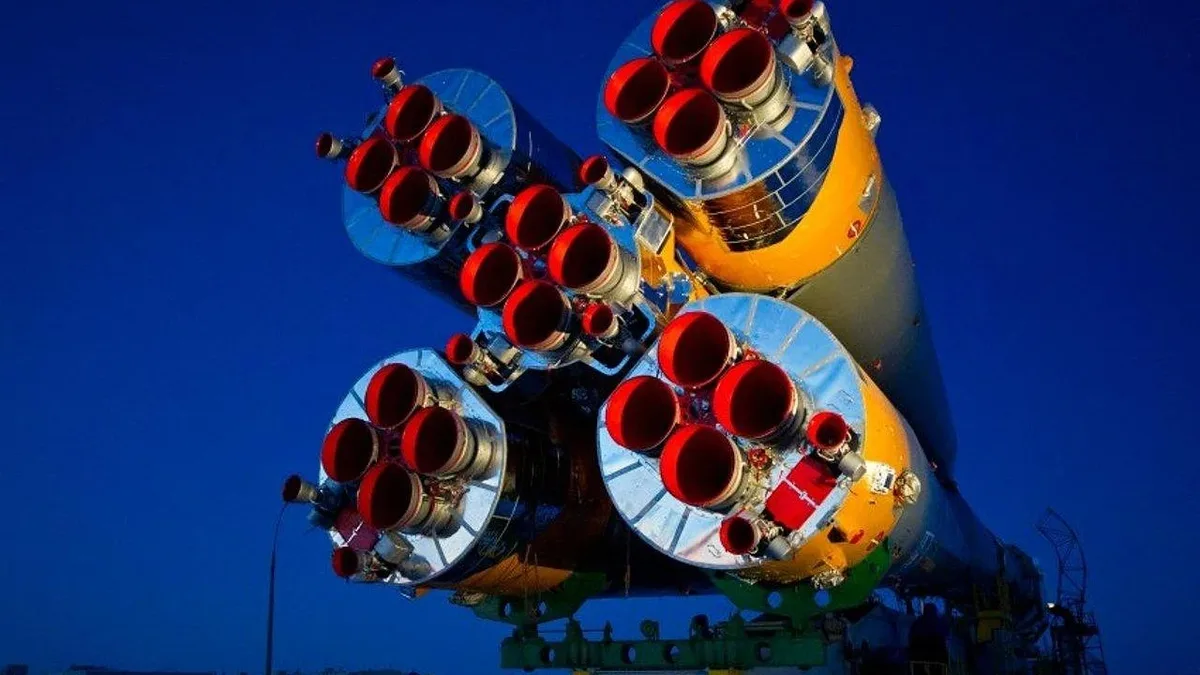
Rocket Lab has delayed the first flight of its Neutron rocket to 2027. The shift from a late-2026 target was caused by problems with the rocket's fuel tank, specifically voids identified in the carbon-composite propellant dome during ground inspection of hardware. The company now plans to build a new forward dome, cure it, inspect it, and improve the manufacturing process before proceeding.
Stock reaction and market implications
The announcement triggered an immediate 11% drop in Rocket Lab's share price. This stock drop reflects investor concerns over timing, costs, and confidence. The shift removes a potential catalyst for the company before the end of 2026, extending development funding needs without a second flying vehicle. The delay exposes the market's heavy dependence on a small number of launch providers. It creates uncertainty about whether this is a one-time correction or the start of a pattern. Rocket Lab founder Peter Beck stated the company prioritizes long-term reliability and cadence over speed to first launch. The setback does not eliminate the need for more launch providers. It makes that need more visible.
Industry context and competitive pressure
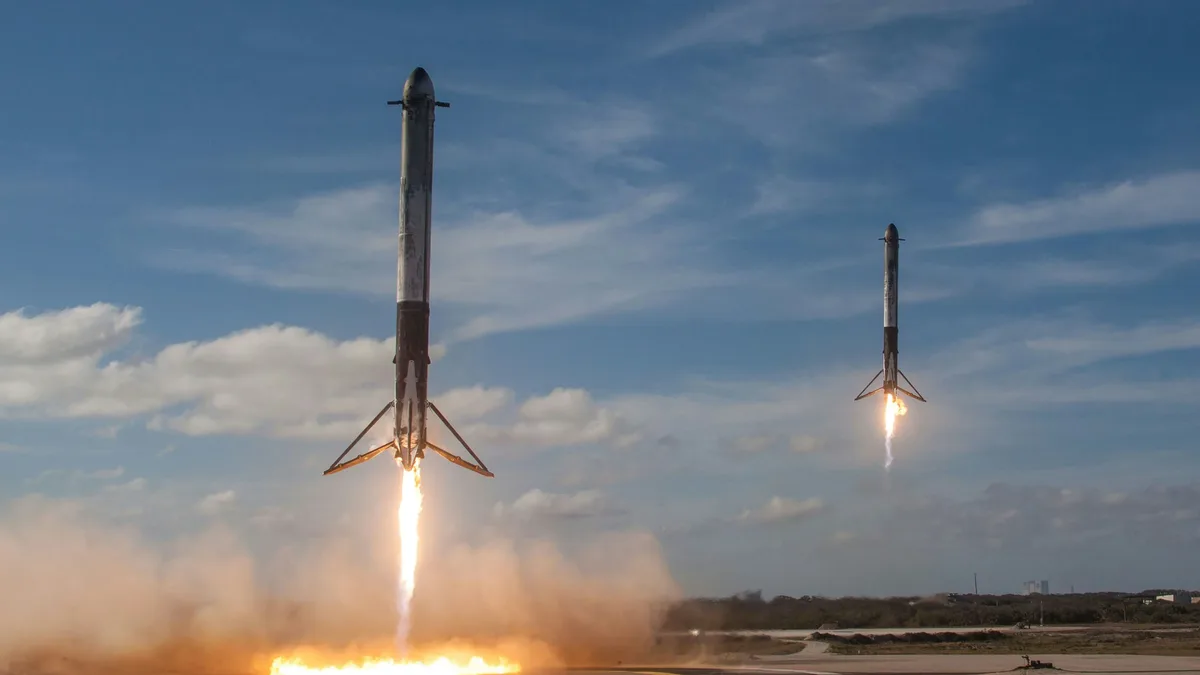
The delay shows the difficulty of fielding new launch capacity in a market with few operational rockets. SpaceX launched its Falcon 9 rocket 165 times in 2025. Its Starlink constellation accounted for around 79% of Falcon 9 missions in 2026. No other company has yet matched that record of frequent, reliable launches. Blue Origin's larger New Glenn rocket has also been delayed to January 2027 following a May launchpad explosion. The industry requires more than one dependable route into space to avoid shortages and higher costs. The current supply chain is fragile.
Engineering and operational challenges
Neutron presents a much greater engineering challenge than Rocket Lab's smaller Electron rocket. Electron has completed 99 missions and is a proven product. Neutron is intended to be the next step up, targeting larger satellites and constellations. Schedule slips on new launch vehicles are routine. Finding issues on the ground is preferable to encountering them in flight. The delay affects customers planning deployments around Neutron's schedule. It increases risk and uncertainty for 2027 launch planning, potentially impacting manufacturing schedules, insurance terms, and revenue plans. Martin Halliwell, a partner at NewSpace Capital and former chief technology officer of SES, highlighted the operational mindset. "We decided, after careful consideration, that we could," he said, referencing past launch planning experience. Satellite companies already face waits stretching into 2028 or 2029.
Rocket Lab plans to complete testing in the first quarter of 2027 before finalizing the new launch date for Neutron.