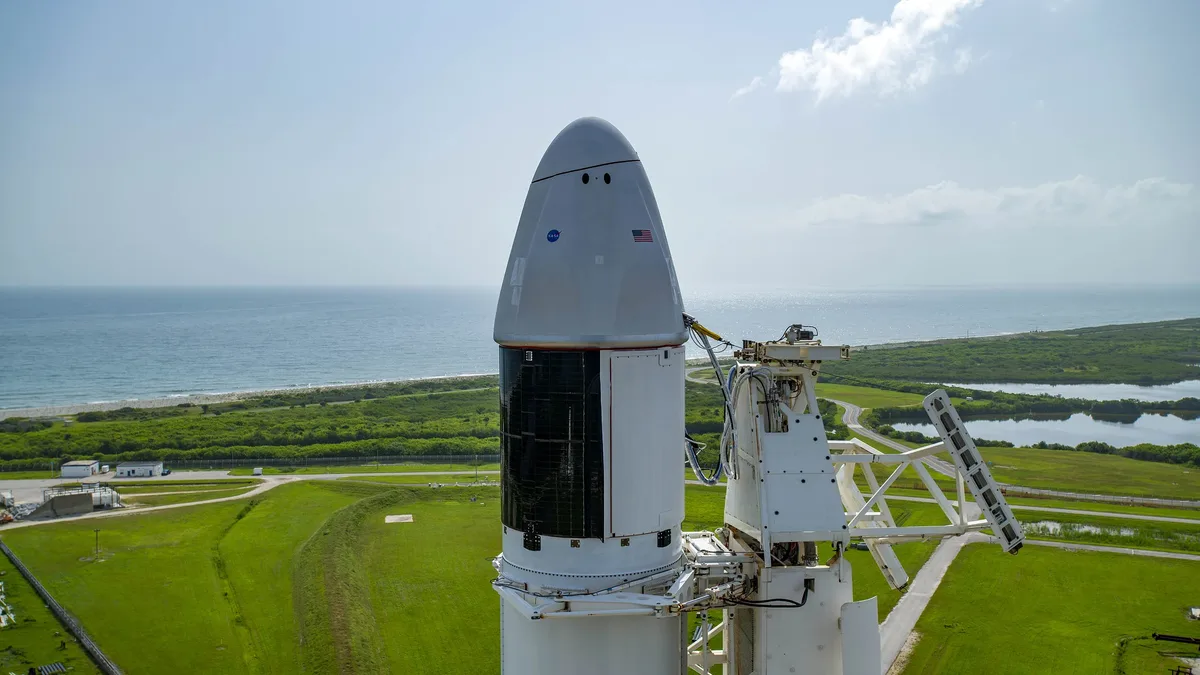
MetOp-SG-B1 satellite readied for Ariane 6 launch
ESA's MetOp-SG-B1 weather satellite has arrived in French Guiana and is being prepared for launch on an Ariane 6 rocket later this year, a key step in a multi-decade European observation program.
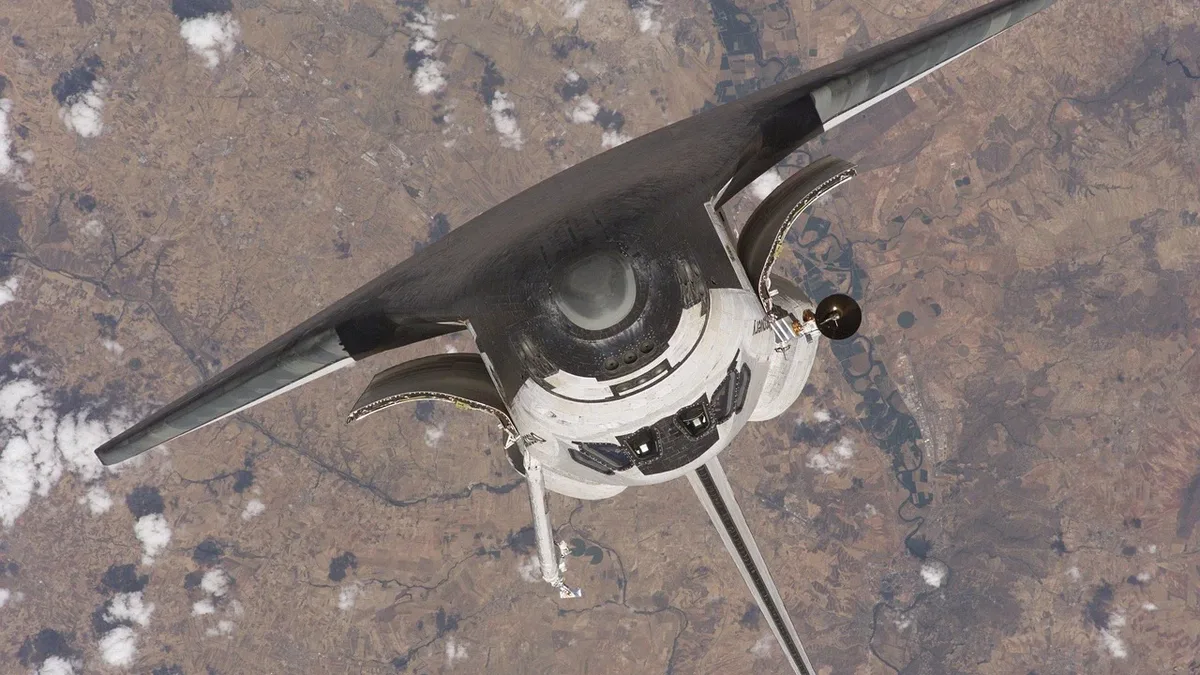
The European Space Agency announced that the MetOp-SG-B1 satellite has been removed from its transport container in Kourou, French Guiana, and is entering final launch preparations. This follows a sea journey from Bordeaux aboard the sail-assisted cargo ship Canopée, which departed on October 6 and arrived on October 16. The satellite was stored in a controlled environment at 22°C with a nitrogen supply during transit and is now in a cleanroom for processing.
Engineers will power on the spacecraft in the coming weeks. They will conduct a series of final checks and fuel the satellite. These are key milestones before it is encapsulated within the protective Ariane 6 rocket fairing. The sail-assisted design of the Canopée transport vessel reduced fuel consumption and carbon dioxide emissions during the satellite's ocean transit.
Launch scheduled for late 2026
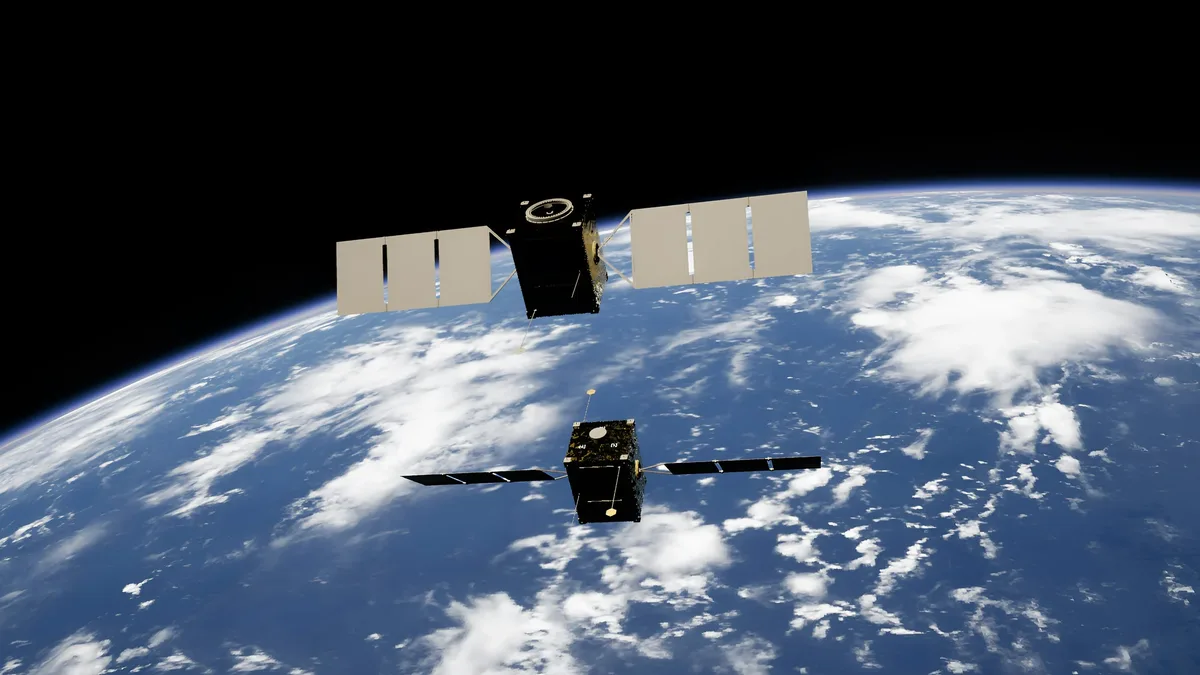
MetOp-SG-B1 is set to launch aboard an Ariane 6 rocket towards the end of 2026. This launch will place it into orbit alongside its sister satellite, MetOp-SG-A1, which launched in August 2025. Both satellites will operate in a sun-synchronous, near-polar orbit approximately 832 kilometers above Earth.
Mission ensures long-term weather monitoring
The launch is part of the broader MetOp Second Generation program. This initiative involves six satellites launched in three successive pairs to ensure an uninterrupted flow of meteorological data. The program is designed to maintain continuous observations for a minimum of 21 years, with replacement launches scheduled every seven years. Each satellite has a design life of 7.5 years.
The A-type and B-type satellites are designed to collect complementary high-resolution data on atmospheric and environmental conditions. Their instruments will measure variables including temperature, precipitation, cloud properties, and wind patterns. Also, the MetOp-SG satellites are the first in ESA's fleet equipped for a controlled re-entry at mission end.
| Feature | Specification |
|---|---|
| Orbit Type | Sun-synchronous, near-polar |
| Orbit Altitude | ~832 km |
| Satellite Design Life | 7.5 years |
| Program Duration | Minimum 21 years |
| Deorbit Thruster | 400 N |
| Extra Propellant for Deorbit | 450 kg |
This capability for controlled re-entry is enabled by a 400 Newton thruster and an additional 450 kilograms of propellant carried specifically for deorbit maneuvers. After final checks and fueling are complete, the satellite will be enclosed in the Ariane 6 fairing before its transport to the launch pad.