Amazon's Globalstar Acquisition Challenges Iridium in Direct-to-Device
Amazon's FCC-approved $11.5 billion acquisition of Globalstar sets up a major new competitor to Iridium in direct-to-device satellite services.
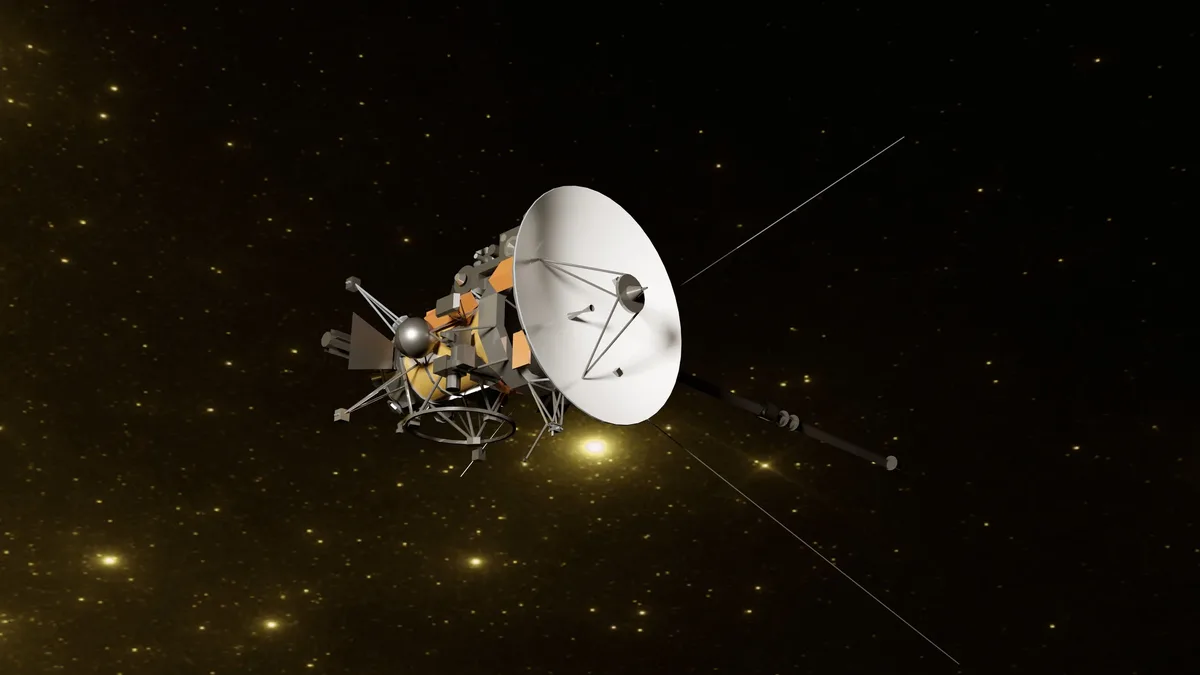
Amazon received FCC approval last week for its $11.5 billion acquisition of Globalstar, enabling its entry into the direct-to-device services market. This move positions Amazon to directly challenge Iridium Communications, which is itself the target of an $8 billion acquisition by satellite manufacturer Rocket Lab.
Satellite supply chain ties emerge
Rocket Lab built the satellite buses for Globalstar's network refresh as a subcontractor to MDA Space. The $143 million contract covers 17 satellite platforms, the first eight of which reached orbit in August. Rocket Lab also supplies Globalstar's flight and ground software and developed its satellite operations control center. This work gives Rocket Lab detailed access to Globalstar's spacecraft designs, operational processes, and delivery schedules. Amazon intends to operate Globalstar as a subsidiary while retaining its corporate identity to enter the direct-to-device market.
Iridium merger backdrop
Rocket Lab's proposed acquisition of Iridium Communications is valued at $8 billion in enterprise value, with a notional offer of $54 per share. Iridium shareholders approved the merger in September with 99.6% of votes cast in favor. The companies said the transaction would create a vertically integrated U.S. space leader that would increase competition and accelerate next-generation Iridium constellation deployment. Plans for the merged entity include improved positioning, navigation and timing services, expanded direct-to-device connectivity, and a next-generation constellation with 20 times as many beams per satellite. Existing Iridium services would continue after the merger.
Globalstar has warned that Rocket Lab's role as its satellite supplier could become a competitive risk if it acquires Iridium, a direct market rival. Both Globalstar and Iridium hold exclusive operating rights in the Big LEO mobile-satellite service spectrum band, which the FCC affirmed earlier this year.
Regulatory scrutiny intensifies
Globalstar has requested the FCC examine Iridium's past regulatory conduct and scrutinize transaction-specific incentives stemming from Rocket Lab's existing supplier role. It accused Iridium of repeatedly seeking access to its licensed mobile-satellite spectrum through filings that disrupted its business and consumed FCC resources, referencing a 2013 petition withdrawn in 2017 and a December 2025 petition dismissed by the FCC in April 2026. Globalstar also flagged concerns about interference between Iridium's transmissions and radio astronomy observations.
Rocket Lab has not responded directly to Globalstar's new filing but addressed competitive concerns in a November 2 submission. The company argued that SpaceX and Ligado's separate concerns predate the merger and belong in other regulatory proceedings. Rocket Lab stated it holds no MSS spectrum and has no near-term ability to enter the Big LEO MSS services market, claiming the acquisition will not cause harm to competition or the public interest. SpaceX's concerns involve coordination of satellite ground stations, while Ligado's relate to potential interference from its proposed operations. SpaceX does not oppose the deal and said Iridium would remain subject to existing radio astronomy protections.
The companies are targeting a mid-2027 closing for the Rocket Lab-Iridium merger, subject to remaining approvals. The next FCC filing deadline is November 9, when replies to responses and oppositions are due for the Amazon-Globalstar transaction.