Meridian Space Spins Out From SpinLaunch With Reflect-Array
Meridian Space is separating from SpinLaunch to operate as an independent company, taking the satcom infrastructure business to commercialize its low-power
SpinLaunch and Meridian Space are splitting into independent companies. The separation, announced on September 28, 2026, clarifies two distinct paths in space technology. Meridian will carry forward the satcom infrastructure business, while SpinLaunch retains its core focus on kinetic launch innovation.
Meridian Space is led by Chief Executive Officer Massimiliano Ladovaz, who has managed SpinLaunch’s satellite development unit since 2020. Ladovaz confirmed the move. "SpinLaunch and Meridian Space are separating into two independent companies," he said. The spin-out allows SpinLaunch to concentrate on its kinetic acceleration hardware. Meridian is now targeting sovereign governments, regional satellite operators, and telecommunications companies.
Meridian advances low-power reflect-array tech for scalable satcom
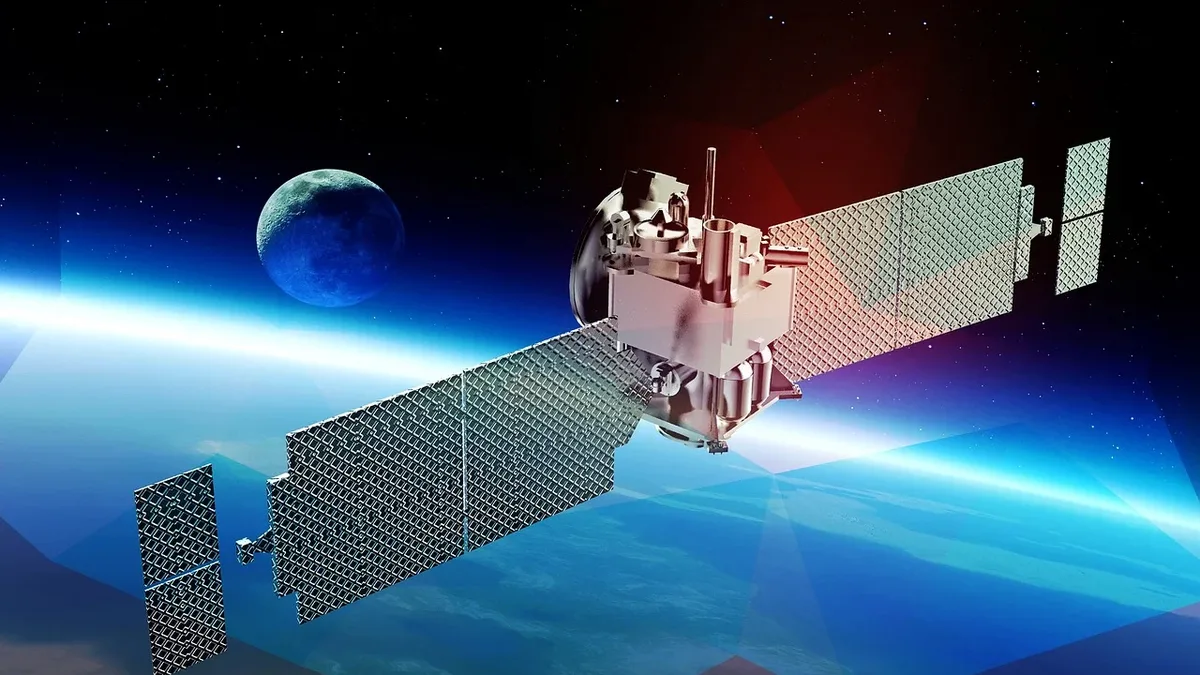
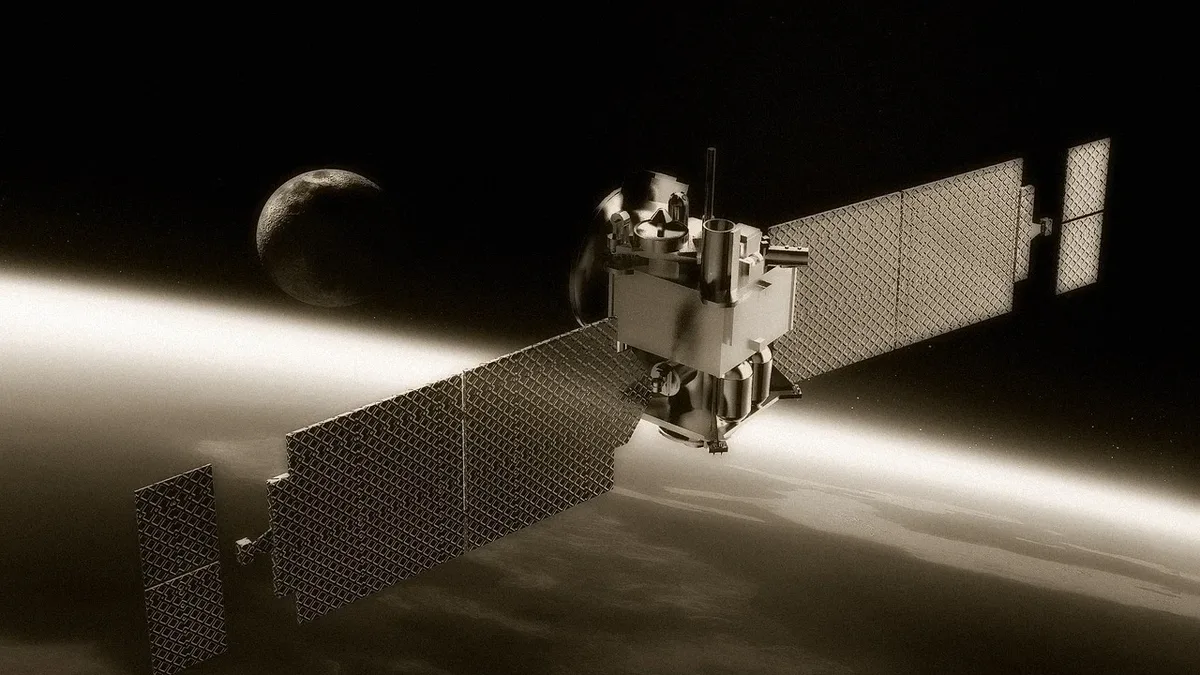
Meridian's plan centers on a proprietary reflect-array antenna technology. Company officials say this architecture uses less power than existing satcom payloads. It also reduces thermal dissipation and power draw relative to traditional phased-array systems. With less power and space needed, Meridian believes it can fly lighter and smaller satellites. This enables deployment of a full constellation of more than 250 satellites on just one dedicated heavy-lift launch vehicle.
The technology opens a new path for customers. Currently, entities wanting independent satcom networks must either join global megaconstellations or spend potentially billions to build their own. Meridian aims to offer a third, cost-effective option. Ladovaz stated they can build a complete system-including space segment, launch, and ground-for less than a billion dollars.
In the shorter term, Meridian is offering its payload on traditional cubesat buses through a program called Meridian Express, which could be ready to launch next year. The company is actively working to sign its first customers. For serial production, Meridian has signed a deal to build its first batch of satellites on NanoAvionics buses. NanoAvionics will integrate the reflect-array communications payloads into standardized structures.
First demo flight set for October
A critical validation step is imminent. The initial spaceflight demonstration of Meridian’s reflect-array technology is scheduled to launch no earlier than October 1, 2026. It will fly aboard SpaceX’s Transporter-18 rideshare mission. This demo aims to demonstrate the first customer link of the in-house-developed technology. Telemetry from the flight will validate antenna gain performance and bus power management ahead of full constellation production.
SpinLaunch refocuses on hypersonics and lunar launch applications
With the separation, SpinLaunch is freed to pursue its original vision. The company is focusing on suborbital hypersonics testing under Project Golden Dome. It is also exploring lunar surface mass-driver applications. A patent awarded last year covers a kinetic launcher anchored to a planetary body with a rarified atmosphere. This suggests SpinLaunch’s future may lie off-world, potentially sending payloads from the Moon back to Earth or deeper into space. The company says it will share more details about its leadership and plans soon.
Meridian Space’s first in-space demo of its reflect-array technology is scheduled to launch no earlier than Oct. 1, 2026, aboard SpaceX’s Transporter-18 rideshare mission.