Africa's MTG Satellite Data Network Operational for Early Warning
EUMETSAT has completed the deployment of a full network of 56 PUMA-2025 reception stations across Africa, enabling real-time access to Meteosat Third Generation satellite data for forecasters, which improves early warning for extreme weather as the continent prepares for a strong El Niño.
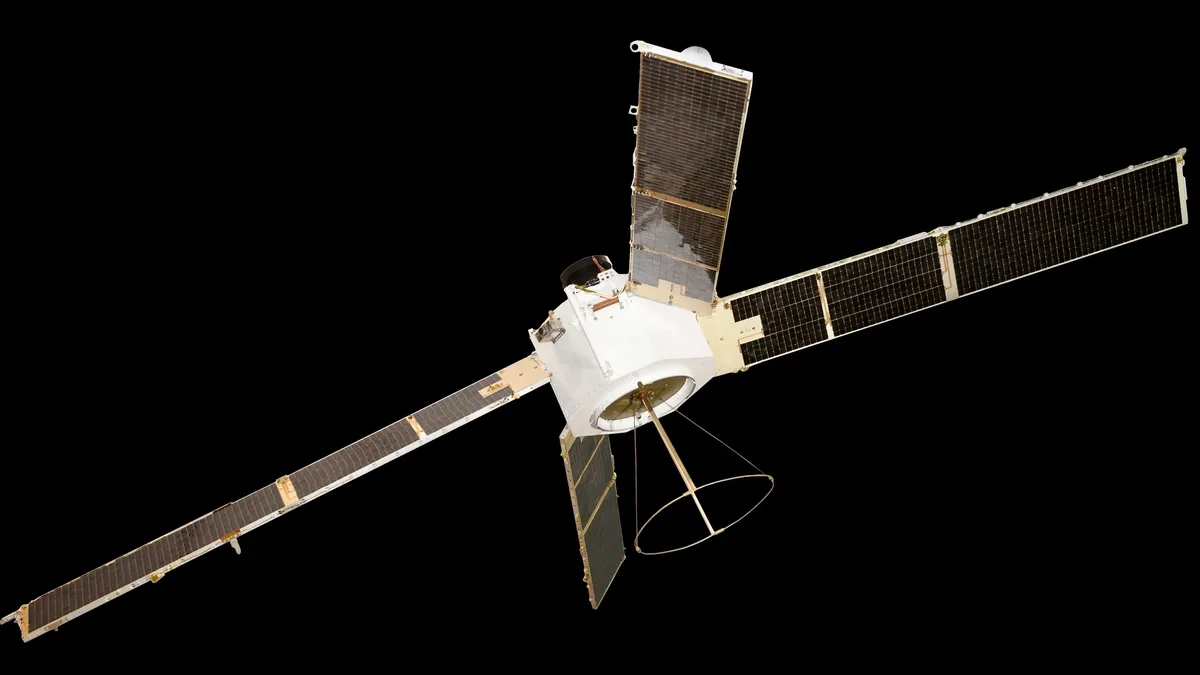
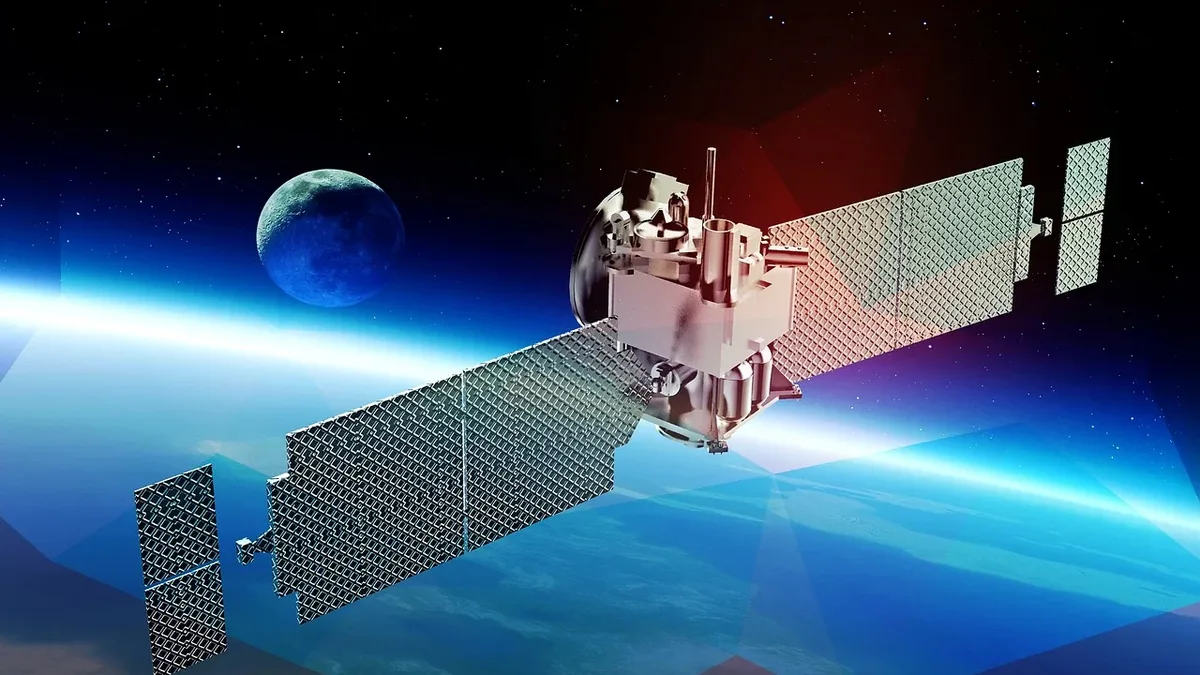
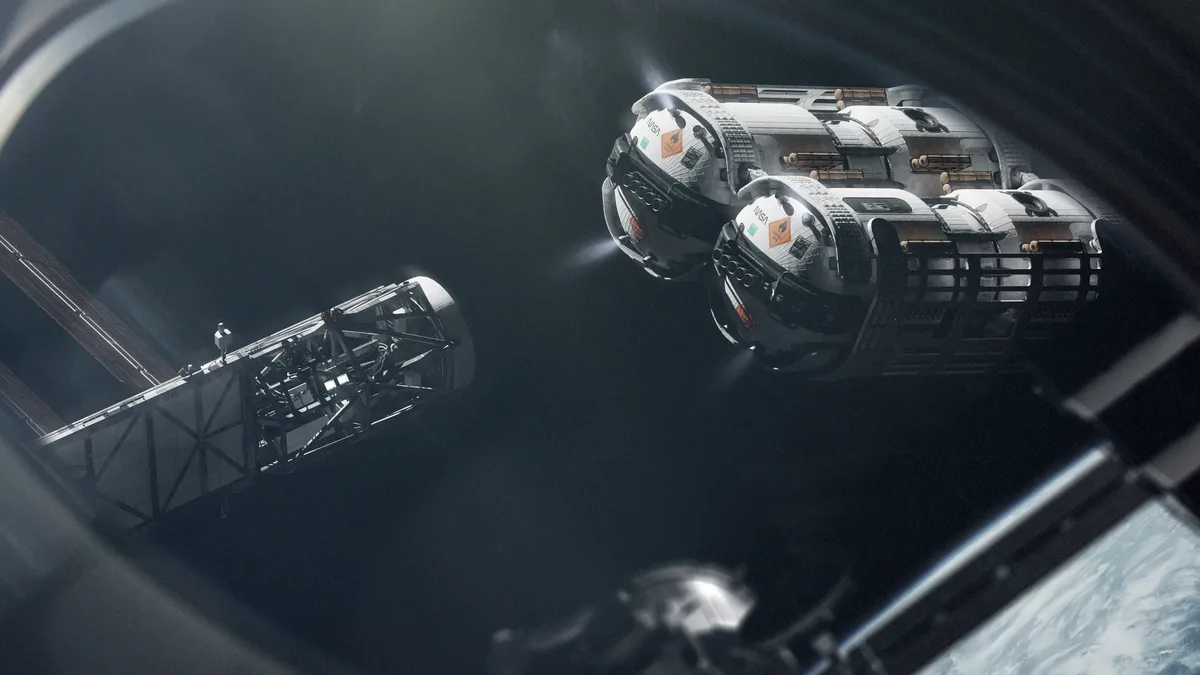
The full network of 56 PUMA-2025 reception stations is now operational across Africa. National meteorological services can directly receive and process data from EUMETSAT’s Meteosat Third Generation satellites. A complete processing chain converts the satellite observations into products ready for use by weather forecasters.
MTG data and products are distributed through EUMETSAT’s EUMETCast Africa service. This marks a key shift from satellite capability to real-time, continent-wide weather intelligence.
Context and Capabilities
MTG satellites deliver updated images of Africa every 10 minutes. They also provide lightning detection data. This frequency and capability address critical gaps. Ground-based observation networks remain limited in many regions. Weather stations are sparse. Satellites are often forecasters’ most complete source of information.
The previous generation of Meteosat satellites delivered images every 15 minutes. The improved 10-minute update cycle from MTG offers more timely data. Lightning observations are critical for alerting communities to extreme weather. They help warn where people or infrastructure may be at risk of severe storms and lightning strikes.
Forum Outcomes and Partnerships
The milestone was announced at a five-day User Forum in Africa held in Eswatini. The forum is organised by EUMETSAT and the Eswatini Meteorological Service. About 150 meteorologists, scientists and weather service representatives gathered.
Participants endorsed a joint declaration. It calls for reliable satellite observations and enhanced early-warning systems. The declaration also seeks stronger capacities to transform weather data into actionable information. Discussions at the forum focused on applications of satellite data. These included climate services, hydrology, and air quality monitoring. Agriculture and renewable energy planning were also covered.
Strategic Support and Legacy
The deployment builds on prior EU-funded investments. The stations were first deployed under the EU-funded ClimSA programme. Further support comes through the Strengthening Early Warning in Africa (SEWA) project.
SEWA is a key component of the Africa-EU Space Partnership Programme. It is funded by the European Union under its Global Gateway Strategy. The project is jointly led by EUMETSAT, the European Centre for Medium-Range Weather Forecasts and the African Union Commission.
SEWA builds on these investments to further develop African capacity. It aims to enhance the ability to process satellite imagery and raise early warnings. The project works with African regional climate centres and national meteorological and hydrological services. EUMETSAT Director-General Phil Evans said the deployment marked a transition. "MTG is no longer a future promise for Africa," Evans stated. "It is now in the hands of forecasters across the continent."
Broader Implications
The forum opened as Africa prepares for a potentially very strong El Niño event. Floods, drought and far-reaching impacts on livelihoods are expected across the continent. The operational MTG network is positioned to significantly strengthen weather monitoring and early-warning capabilities.
The joint declaration calls for effective early-warning tools. It demands the infrastructure and expertise to turn data into information that protects lives and livelihoods. EUMETSAT has collaborated with African meteorological and hydrological services for more than 30 years on satellite data, products and training. The forum's outcomes will guide the next phase of that cooperation. Evans added, With the PUMA reception station network now fully deployed, every African national meteorological service can access this new generation of observations.