Viasat's ViaSat-3 F3 Enters Asia-Pacific
Viasat's third ViaSat-3 satellite, designated F3, entered service on Monday, adding 1 terabit per second of capacity to its network over the Asia-Pacific region.
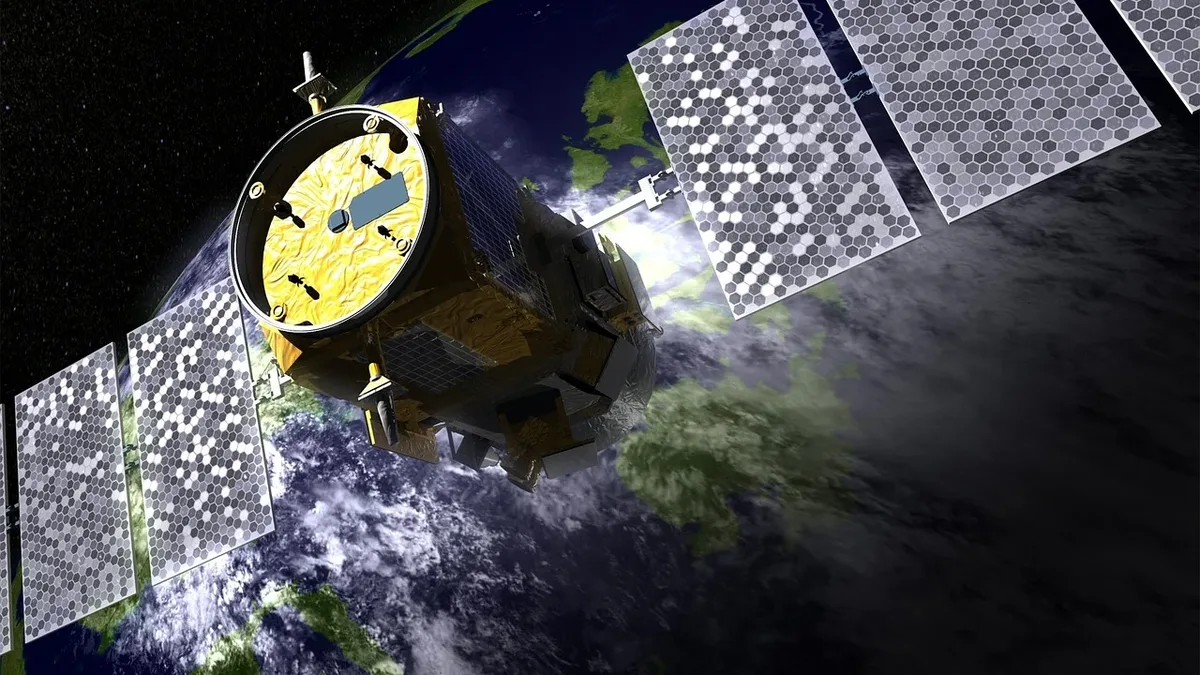
Viasat confirmed on Monday that its third ViaSat-3 satellite, known as F3, has officially entered service. The spacecraft will provide 1 terabit per second of network capacity over the Asia-Pacific region.
CEO Mark Dankberg stated the satellite is engineered to maximize regional capacity density where it is needed most within key mobility markets. He described the Asia-Pacific as a unique connectivity challenge, with demand concentrated in specific corridors across a vast area.
"ViaSat-3 F3 gives us the flexibility to direct high operating leverage capacity where demand and opportunity are greatest," Dankberg said.
Launch and Service Timeline
The F3 satellite launched in late April aboard a SpaceX Falcon Heavy rocket. Despite being the third satellite in the series, it is the second to become operational. The company reported that the remaining satellite, F2, is finishing in-orbit testing and should enter service shortly. F2 launched in November of last year.
The entry into service of the F2 and F3 satellites has been highly anticipated. This follows an anomaly with the antenna deployment on the first ViaSat-3 satellite in 2023. That satellite remains operational but is delivering only a fraction of its intended capacity.
Focus on Mobility Markets
Dankberg recently told investors that aviation and government sectors are the company's fastest-growing mobility markets. He identified them as the top areas for revenue growth once the F2 and F3 satellites are online. Growth in these sectors is reportedly driven by increased bandwidth use per platform and a rising number of platforms in operation. For a detailed look at the company's operational performance, see our stats page.
The new satellite is designed to serve these premium mobility markets. Its architecture allows Viasat to dynamically allocate its substantial capacity to meet shifting demand across the expansive Asia-Pacific region. The system's flexibility is a core feature for addressing concentrated traffic corridors, a key factor in the regional standings for connectivity services.
ViaSat-3 Satellite Status
The status of the three-satellite ViaSat-3 constellation now shows two spacecraft in service, with a third nearing operational readiness. The following table compares the known details for the three satellites as reported by Viasat.
| Satellite | Launch Date | Status | Notes |
|---|---|---|---|
| ViaSat-3 F1 | 2023 | Operational | Suffered antenna deployment anomaly; delivering reduced capacity. |
| ViaSat-3 F2 | November 2025 | Final in-orbit testing | Expected to enter service soon. |
| ViaSat-3 F3 | Late April 2026 | In service (as of Monday) | Adding 1 Tbps capacity over Asia-Pacific. |
The company's confirmation of F3's service commencement marks a significant step in rebuilding the capabilities of its flagship constellation. The operational focus now shifts to bringing the F2 satellite online to complete the planned network enhancement.