OroraTech to Deploy 96 Thermal Sensors on OneWeb
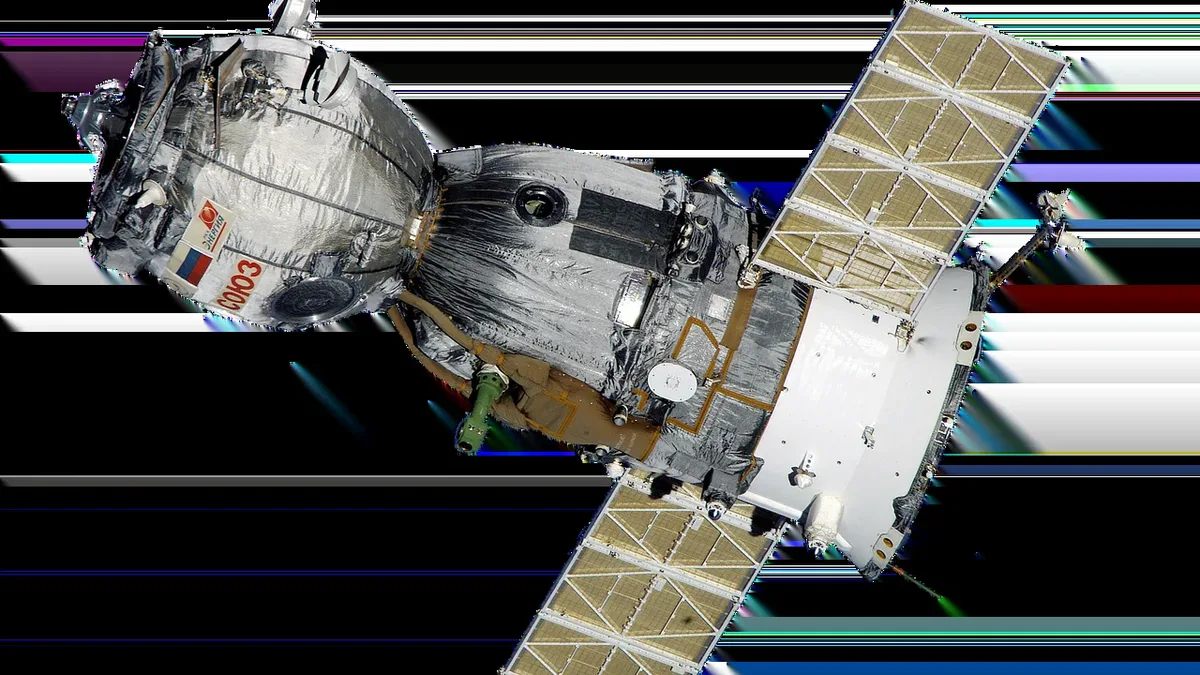
OroraTech will install 96 thermal sensors on Eutelsat OneWeb's next-generation satellites, with launches starting around 2028.
The company's CEO, Dr. Martin Langer, announced the partnership at the International Space Summit in Paris, describing it as a breakthrough for scalable Earth observation.
This hardware integration provides OroraTech with rapid scalability by piggybacking on OneWeb's established satellite platform. The arrangement also dramatically enhances the data network's throughput, delivering the low latency and always-on capability required by clients. The constellation itself provides secure communications.
The Orbital Data Center
Langer frames the resulting system as a connected orbital data center. OroraTech's GPUs will process data on board the satellites, with a sensor attached. This setup allows different algorithms, including sovereign applications, to be deployed and turned into live information. He likens it to critical infrastructure, making partnership a logical step.
The sensors will fly on the next generation of OneWeb satellites, with launches beginning around 2028. All data collected will remain OroraTech's property. It will feed into a single, homogeneous data stream that also incorporates information from the company's in-house platforms. Langer describes this as a deliberately hybrid approach, balancing rapid scale with the sovereign data control some clients require.
Technical Capabilities and Use Cases
The network promises compelling performance metrics. It will achieve revisit times of roughly 15 to 30 minutes, moving toward near real-time observation at higher latitudes due to the constellation's polar inclination.
Langer connects seemingly different applications to a common technological thread. Both wildfire detection and dark vessel detection, he explains, rely on identifying a new thermal signature against a known background. Different temperatures can be analyzed with similar algorithms. Both use cases depend on high revisit rates across vast areas, like the entire North Atlantic, where high-resolution sensors are impractical without prior targeting. "It is, in his words, about finding the needle in the haystack."
He calls the concept "GEOINT from LEO," signifying a shift in value. At sufficient scale, the primary value comes not from a single detection but from recognizing the difference between what has been observed a hundred times and what appears for the hundred-and-first time. The system is designed to provide that persistent, large-scale monitoring capability from Low Earth Orbit.