Ramon.Space secures $124 million for orbital computing
Ramon.Space raised $124 million in a Series B funding round led by PSG to scale its manufacturing of space-resilient computing systems for satellite networks.
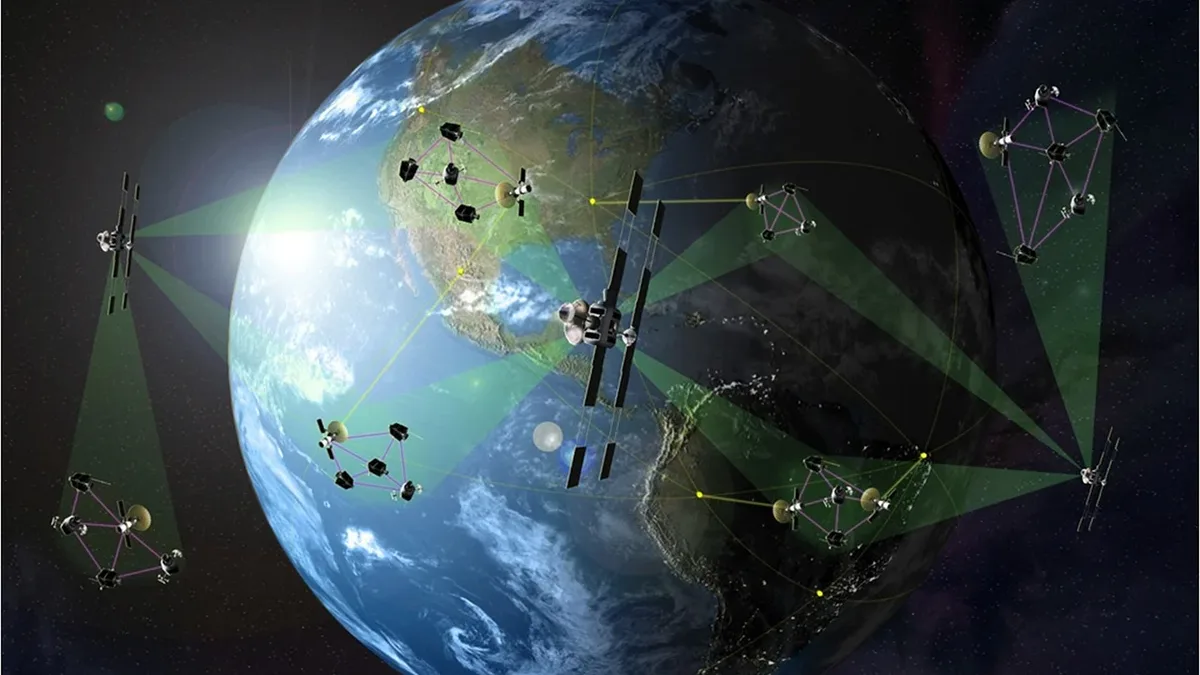
Ramon.Space has raised $124 million in Series B funding. The investment, led by growth equity firm PSG, will expand the company's orbital computing infrastructure for enterprise-scale satellite operations.
PSG led the round, joined by strategic investor Micron Technology and other participants including Senvest, Phoenix Financial, StageOne, Deep Insight, and Grove Ventures. The capital will be used to increase production capacity, accelerate hardware deliveries, and support expansion into new international markets. A U.K. engineering hub has already been established to support European satellite communications programs.
The company plans to scale its manufacturing toward enterprise production volumes capable of delivering millions of computing nodes. No specific timetable for this scale-up has been disclosed. To date, Ramon.Space has raised approximately $180 million.
Technology and mission applications
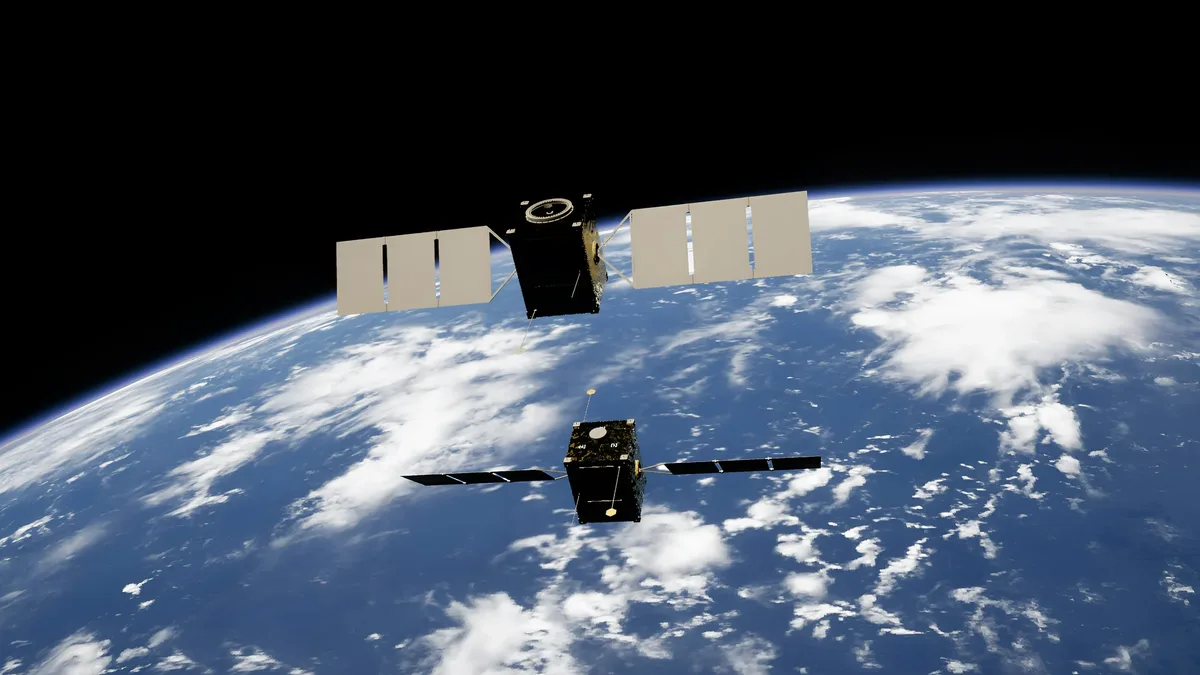
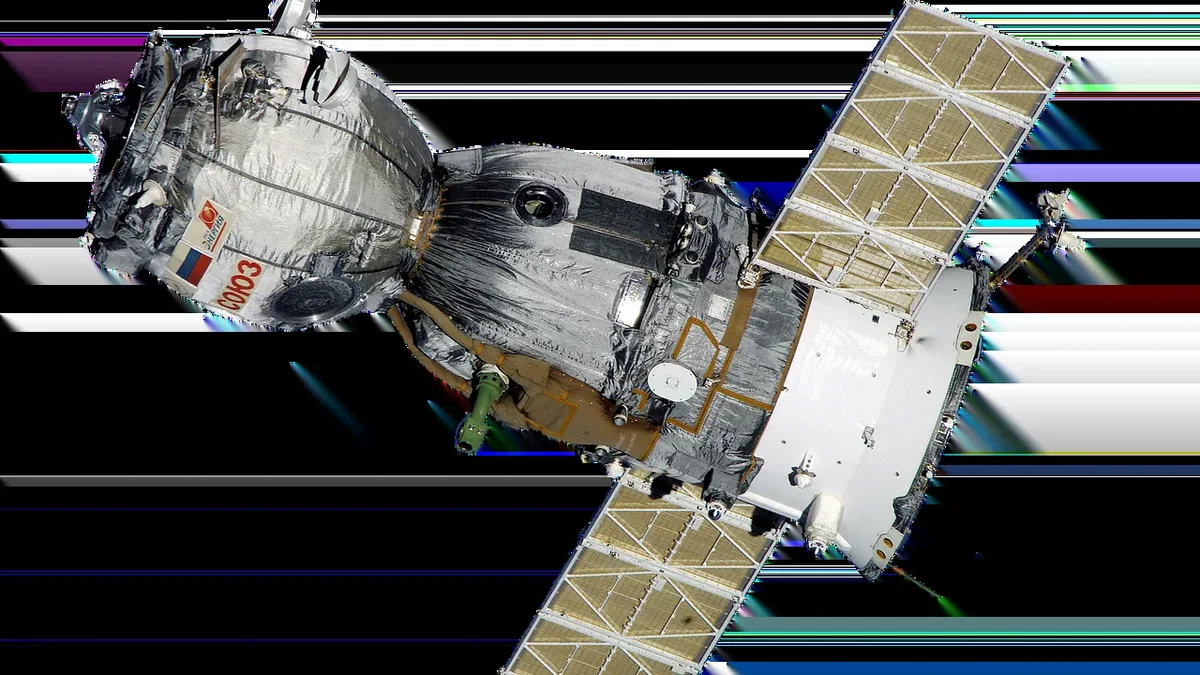
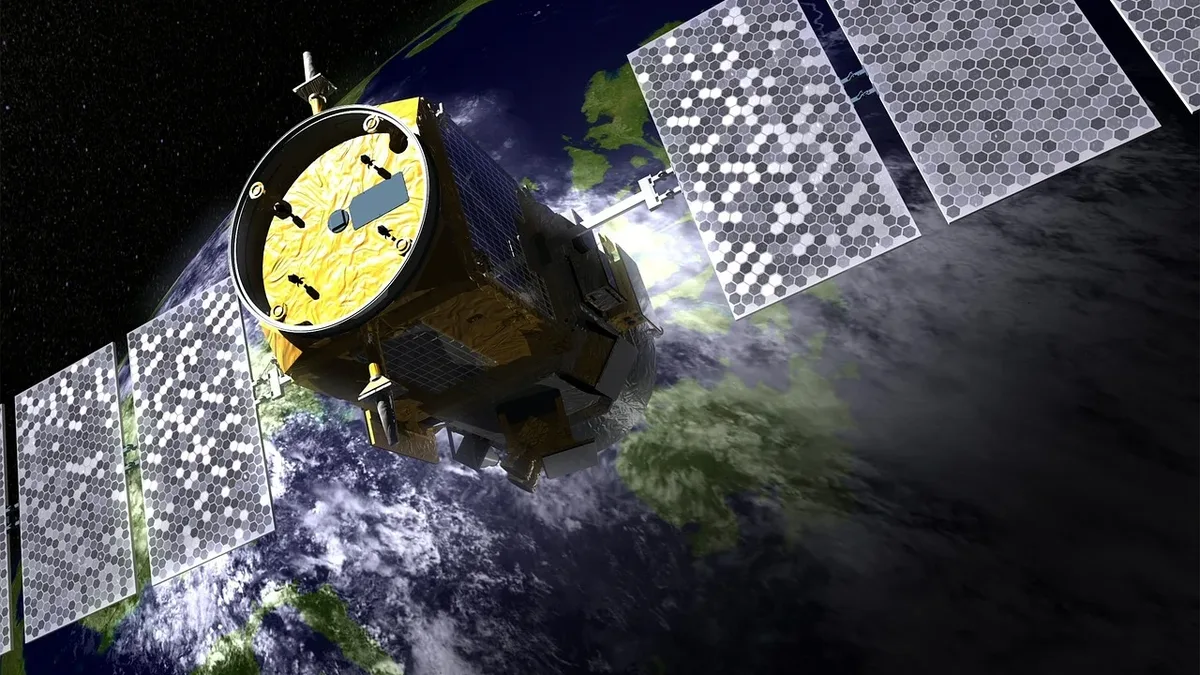
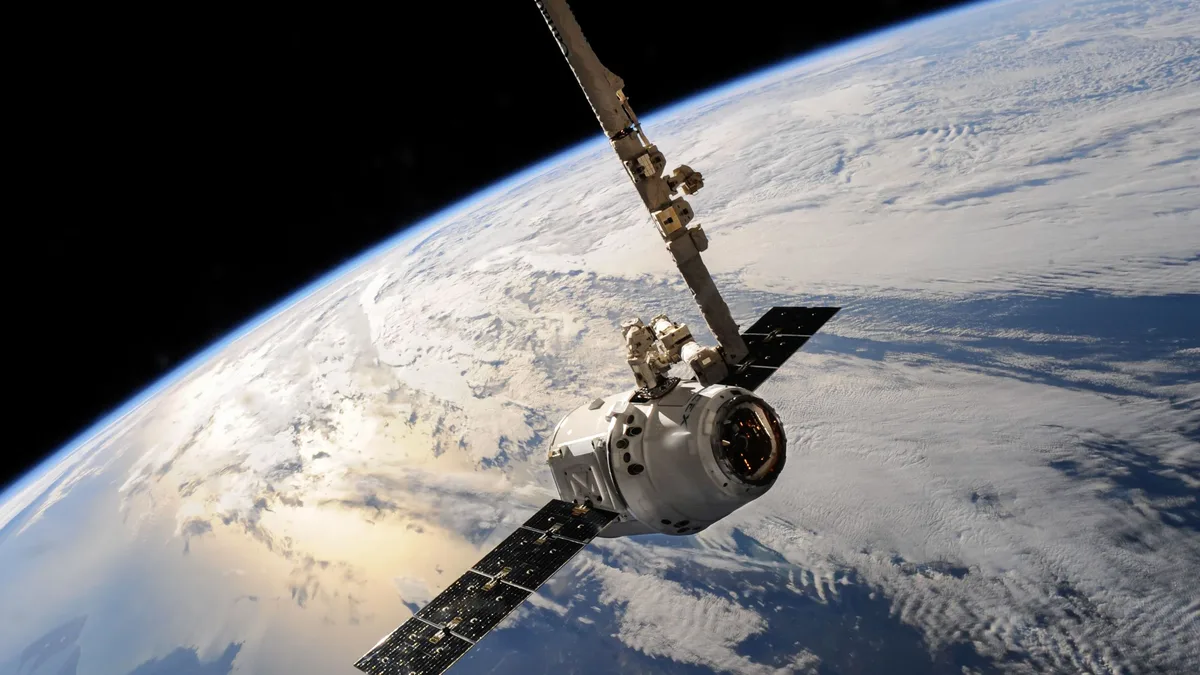
Ramon.Space develops space-resilient computing systems that enable data processing, storage, and transmission directly aboard satellites. The technology is designed to deliver performance comparable to ground-based systems while enduring orbital radiation, extreme thermal swings, and strict power constraints.
The company's architecture combines software with AI and machine-learning processors, high-capacity storage, networking, and edge-computing capabilities. This allows data to be processed in orbit, reducing the need to transmit raw data to Earth and enabling faster decision-making.
These systems support a range of commercial and government missions. Applications include high-throughput communications constellations, fifth-generation non-terrestrial networks (5G NTN), Earth observation platforms, remote sensing missions, and emerging space-based data centers. The company states its technology is already deployed on missions in orbit.
CEO Avi Shabtai stated that the company has proven Earth-grade computing works in space and is delivering it today. He noted that satellites are being transformed into computers flying through space, enabling AI capabilities beyond original mission limits. Satellites have a lifespan of about five years, leading to rapid turnover as new generations incorporate advanced systems.
Global expansion and market demand
Ramon.Space operates as a global company with offices across four continents. Its teams are located in the United States, United Kingdom, Germany, and Israel, employing approximately 130 people in total.
The company is seeing growing demand and an expanding pipeline of business opportunities from both commercial and government customers. Satellite networks are expanding globally, which is increasing the need for in-orbit data processing capabilities. Artificial intelligence is a key driver of demand for these advanced space computing systems.
Contracts in the space sector can reach tens of millions of dollars or more. The company has a connection with major satellite operator SES, alongside other clients not yet publicly announced. The new funding will accelerate hardware deliveries against this expanding customer pipeline.
Ronen Nir, managing director at lead investor PSG, stated that the ability to process and manage data in orbit is becoming essential to the growth of the space economy. He highlighted growing customer demand for flight-proven systems.
The company's goal is to become the world's leading player in space-based computing infrastructure. It traces its origins to Ramon Chips, founded in 2004, with the current operation established in 2020 by Professor Ran Ginosar and Avi Shabtai. The firm is now scaling its manufacturing capacity toward enterprise production volumes capable of delivering millions of computing nodes.