Sophia Space deploys orbital computing software on Kepler satellites
Sophia Space has successfully deployed its SOOS software across multiple Kepler satellites, marking the first in-space demonstration of distributed edge computing infrastructure for scalable orbital operations.
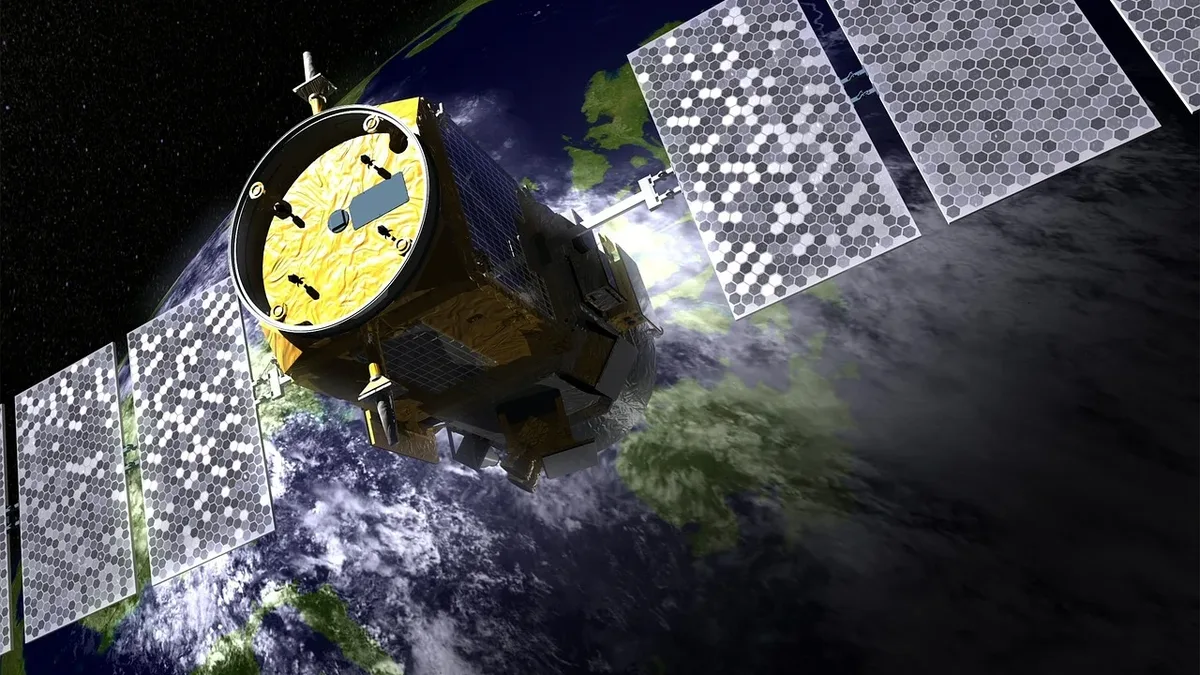
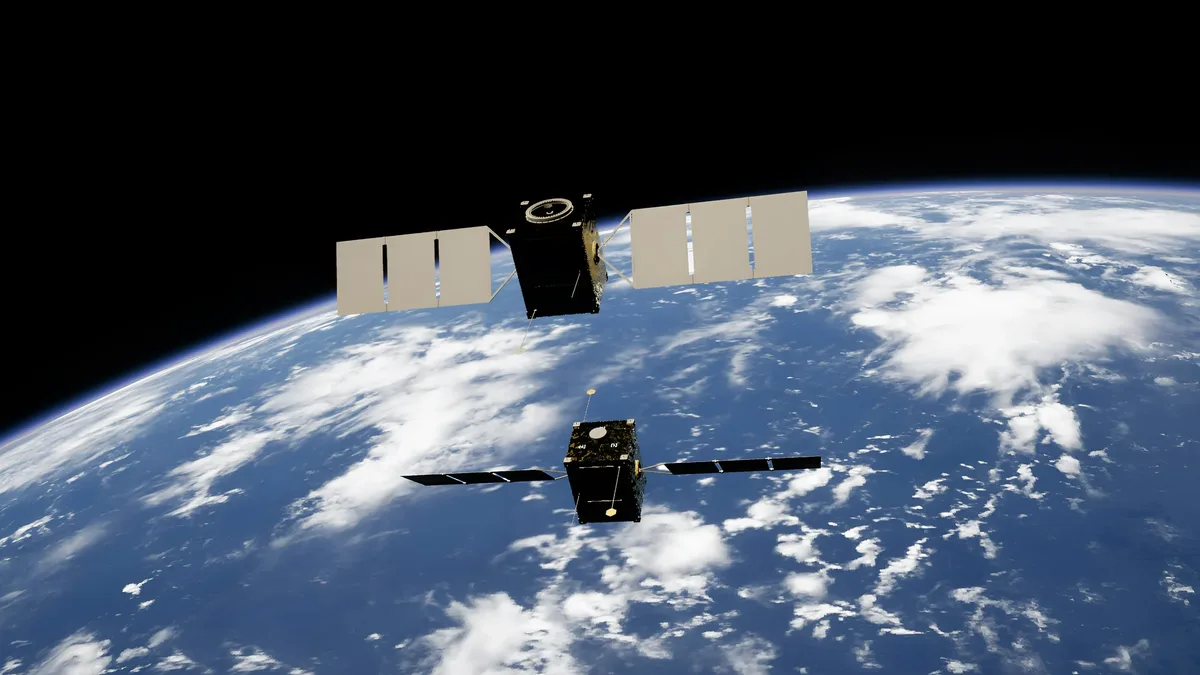
Sophia Space deployed its Sophia Orbital Operating System (SOOS) across multiple Kepler Communications satellites on November 19, 2026. This first in-space milestone validates the software's ability to manage distributed computing workloads across a constellation connected by optical links.
The test began with an alpha version of SOOS uplinked to a single processor on one Kepler satellite. The software then copied itself to two more processors on the same spacecraft to establish a local network, with a fourth processor held in reserve. SOOS subsequently crossed an optical inter-satellite link to a second Kepler satellite and repeated the self-copying sequence. The deployment took place aboard satellites within Kepler's Tranche 1 optical data relay constellation. Sophia's CEO Rob DeMillo defined success simply as the moment the two satellites began communicating. "We believe [the test] is the first time there will be a distributed network computer in orbit," DeMillo said.
Architecture enables scalable orbital computing
SOOS uses managed Kubernetes to distribute computing jobs across satellites, moving beyond reliance on single spacecraft. The system is built for resilient, autonomous operations with triple redundancy and built-in security, running on three processors per satellite with a fourth available as a fail-safe. This architecture is designed to support distributed edge computing, enabling AI inference workloads closer to data sources in space.
The software runs on Kepler's existing hardware. Each Tranche 1 satellite is in the 300-kilogram class and carries optical terminals compatible with Space Development Agency standards. Kepler commissioned distributed computing across its constellation on March 16, utilizing 40 Nvidia Jetson Orin modules across its first ten satellites. The hardware configuration for the Tranche 1 satellites matches Sophia's first TILE module design.
| Satellite Feature | Specification |
|---|---|
| Mass Class | 300 kilograms |
| On-Board Compute per Satellite | 4 x Nvidia Jetson Orin modules |
| Total Modules in Initial Constellation | 40 |
| Inter-Satellite Link | Optical |
Commercial model targets GPU usage
Sophia Space charges customers based on GPU usage and access, operating on a model similar to a terrestrial data center. This approach allows the company to sell managed compute services leveraging Kepler's existing satellite hardware. The company's long-term hardware plan involves its passively cooled TILE modules, flat compute slabs measuring about one meter square and one centimeter thick, each designed to power four Jetson Orin processors.
Sophia claims a TILE can devote 92 percent of generated energy to computing, compared to 66 to 72 percent for designs using active heat pumps. The company and Caltech jointly hold U.S. Patent No. 12,679,564 for 'Space-Based Data Centers,' issued on July 14. To support future hardware deployment, Sophia has a $300 million framework agreement with leasing firm SLI, providing non-binding support for ten TILE spacecraft to be funded against build and launch milestones.
Funding and future roadmap
The company has raised $22 million in total funding. This includes a $10 million seed round from Alpha Funds, KDDI Green Partners Fund, and Unlock Venture Partners, followed by a $7 million SAFE round in June that included EverGreen, the Nvidia alumni investment network, and SparkLabs Group. Sophia joined Kepler's customer list in April, when the constellation was described as the largest orbital compute cluster.
Sophia plans to expand SOOS capabilities, demonstrate distributed workloads, and integrate its TILE computing hardware as it becomes available in orbit.