Vulcan Centaur Fails on Debut, Loses 40 Amazon Satellites
United Launch Alliance's Vulcan Centaur rocket failed to deliver 40 Amazon Leo broadband satellites into low Earth orbit on November 15, 2026.
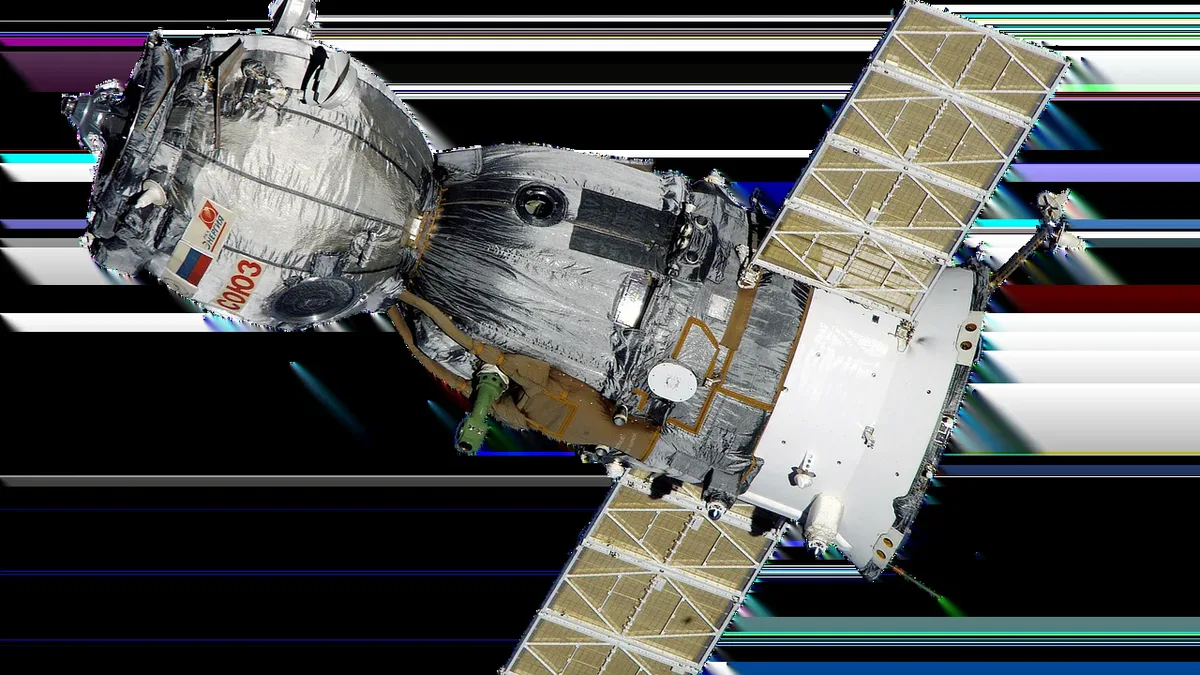
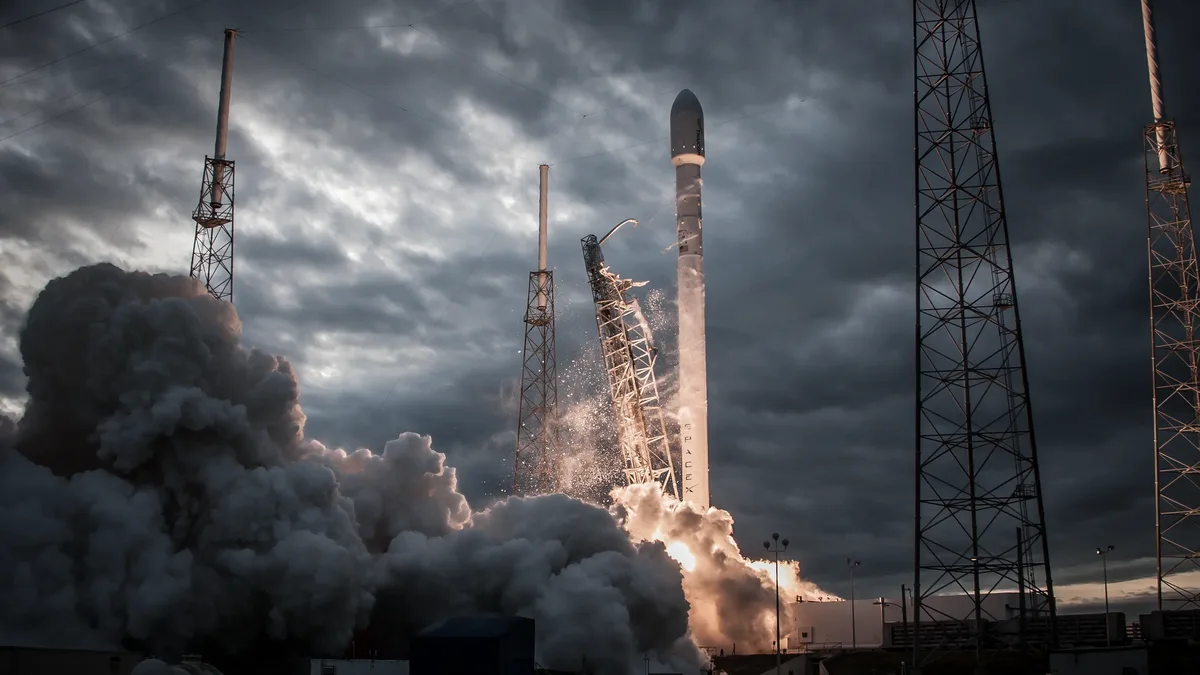
United Launch Alliance's Vulcan Centaur rocket failed to deliver 40 Amazon Leo broadband satellites into low Earth orbit. The mission failed due to an in-flight anomaly about 10 minutes after liftoff from Cape Canaveral Space Force Station on November 15, 2026.
This was the debut launch for the Vulcan Centaur. It was also ULA's first total mission failure since the joint venture of Boeing and Lockheed Martin formed in 2006. The flight, designated LV-01, was Vulcan's fifth flight since its 2024 debut and its first in nine months. It was the first of 38 Vulcan launches Amazon has purchased.
Investigation and Root Cause
ULA is investigating the cause of the anomaly. The investigation has traced the problem to the engine's main oxygen valve. The company stated it does not yet have enough data to determine what happened. ULA will determine corrective actions before returning to flight.
The mission flew with an improved nozzle design and retrofitted BE-4 engines to fix an oxygen valve problem. Blue Origin developed and retrofitted those modifications. ULA CEO Mark Peller said before the flight that the BE-4 engines had been retrofitted. The solid rocket boosters had also been under scrutiny after anomalies on previous flights.
Impact on Amazon and ULA
The failure may ground the Vulcan rocket for months due to the technical investigation. It represents a critical risk for Amazon's satellite deployment timeline. Amazon had launched 396 satellites for its Redmond-based network on 14 missions since April 2025. Its last successful launch was in July on an Atlas 5 rocket.
Before this failure, Amazon's launch history was as follows:
| Launch Vehicle | Satellites Launched (Pre-failure) | Missions |
|---|---|---|
| Various (Atlas 5, etc.) | 396 | 14 |
| Vulcan Centaur (failed) | 40 | 1 |
Amazon needs 3,236 satellites for global coverage. The Federal Communications Commission gave Amazon permission to keep deploying satellites even after it missed a July 30, 2026, deadline to put 1,616 into service. The company now has until July 30, 2029, to deploy and operate all 3,232 first-generation satellites. It plans an initial rollout of commercial internet service this year.
Future Launch Plans
Amazon's next scheduled Leo launch is an Ariane 6 mission carrying 36 satellites. It is targeted for November 23 at the earliest. The company has booked launches on Arianespace's Ariane 6 and SpaceX's Falcon 9. It also has 24 launches reserved on Blue Origin's New Glenn, which has been grounded since a May ground-test explosion.
US companies could face reduced launch capacity due to this failure and uncertainty over SpaceX's Falcon 9, which is no longer accepting new bookings. ULA, under new leadership with Mark Peller named CEO in August, stated it believes it will learn from the mission and deliver on long-term Vulcan plans. Amazon's next attempt is an Ariane 6 mission carrying 36 satellites, targeted for November 23 at the earliest.